
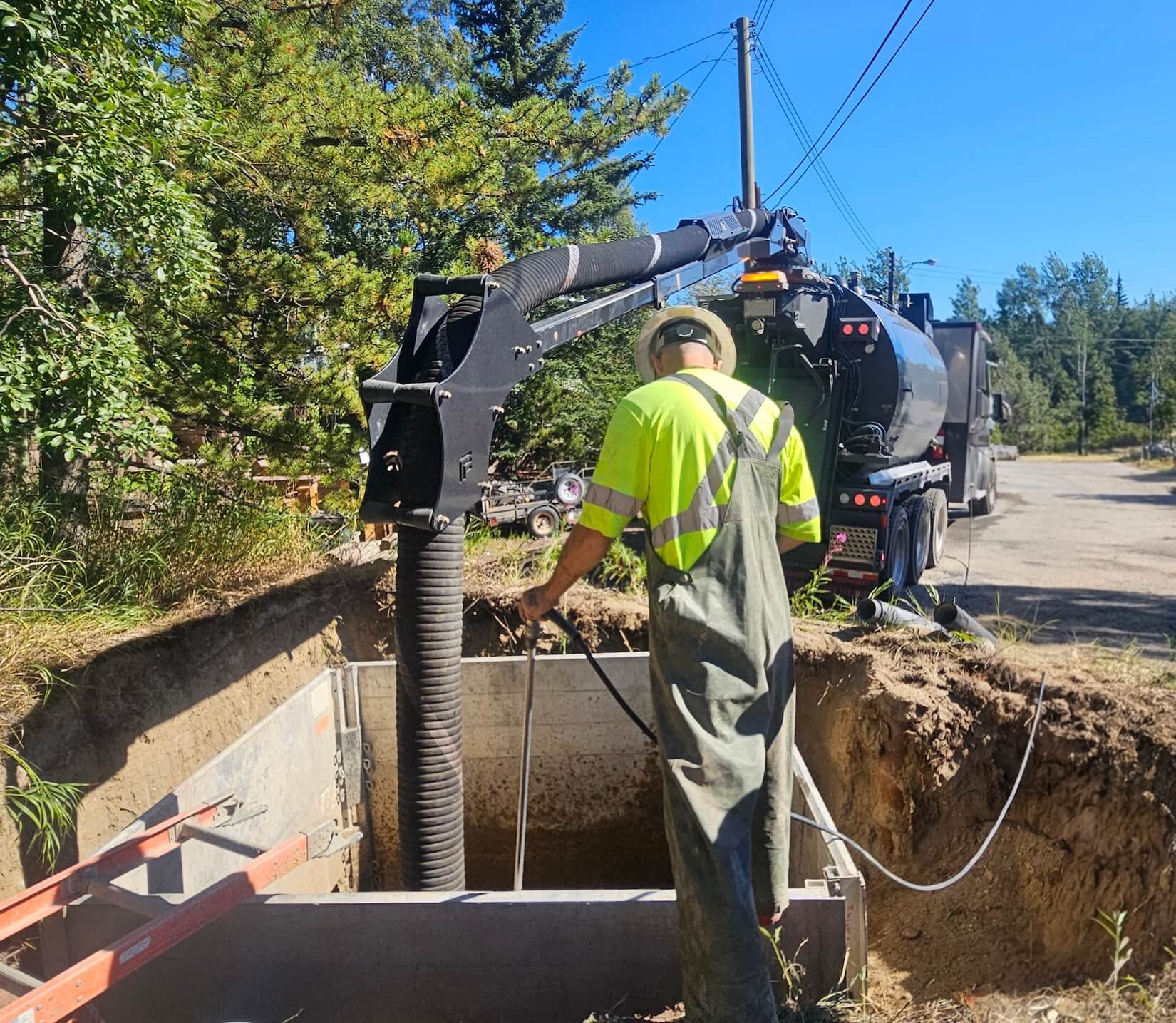
Anyone who has worked on a construction, utility, or environmental project in Colorado knows one thing for certain: winter doesn’t pause the work. It makes it harder. Frozen ground, compacted soils, and unpredictable weather can bring traditional excavation to a grinding halt. Yet critical projects still need to move forward, whether it’s utility repairs, stormwater maintenance, or emergency environmental response.
This is where industrial vacuum truck services stand apart. When the ground freezes solid, hydrovac excavation isn’t just the best option. It’s often the only practical and safe solution.
Why Frozen Ground Is Such a Challenge in Colorado
Colorado’s climate creates ideal conditions for frozen soil:
- Repeated freeze-thaw cycles
- Dense clay soils common along the Front Range
- Overnight temperature drops well below freezing
- Shallow frost penetration that can quickly harden surface layers
Traditional excavation methods rely on mechanical force, backhoes, trenchers, or hand tools, to break through soil. In winter, those methods face serious limitations:
- Frozen soil resists mechanical digging
- Increased risk of damaging buried utilities
- Slower progress and higher labor costs
- Safety hazards from slipping, striking, or equipment strain
For projects that require precision or utility exposure, frozen ground makes conventional digging unreliable at best and dangerous at worst.
How Hydrovac Excavation Solves Frozen Ground Problems
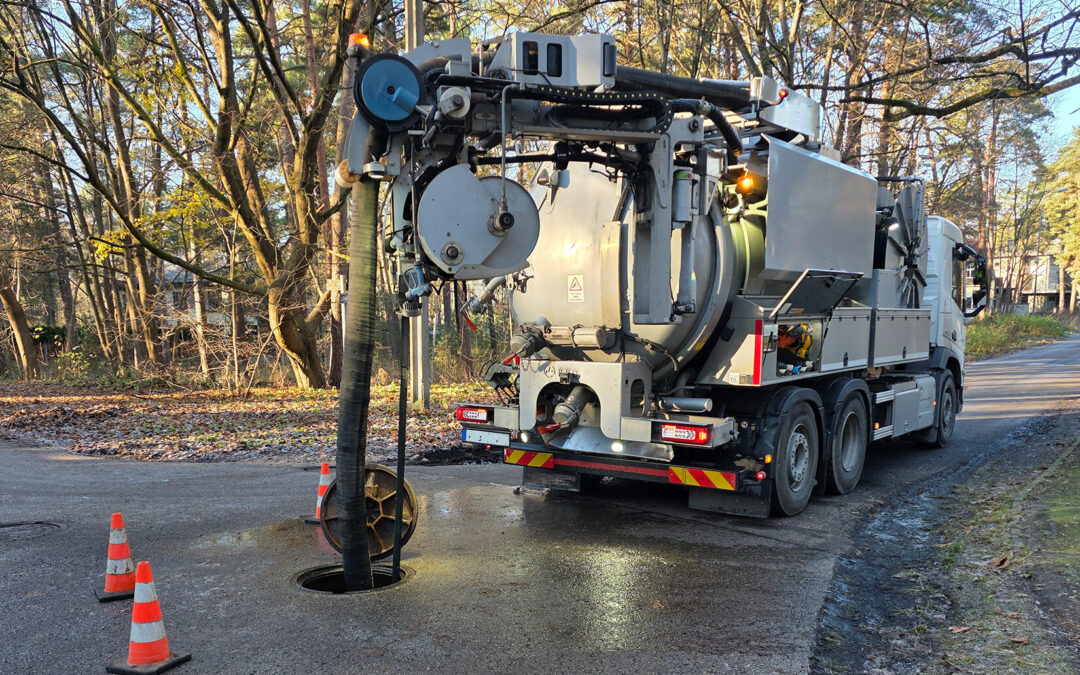
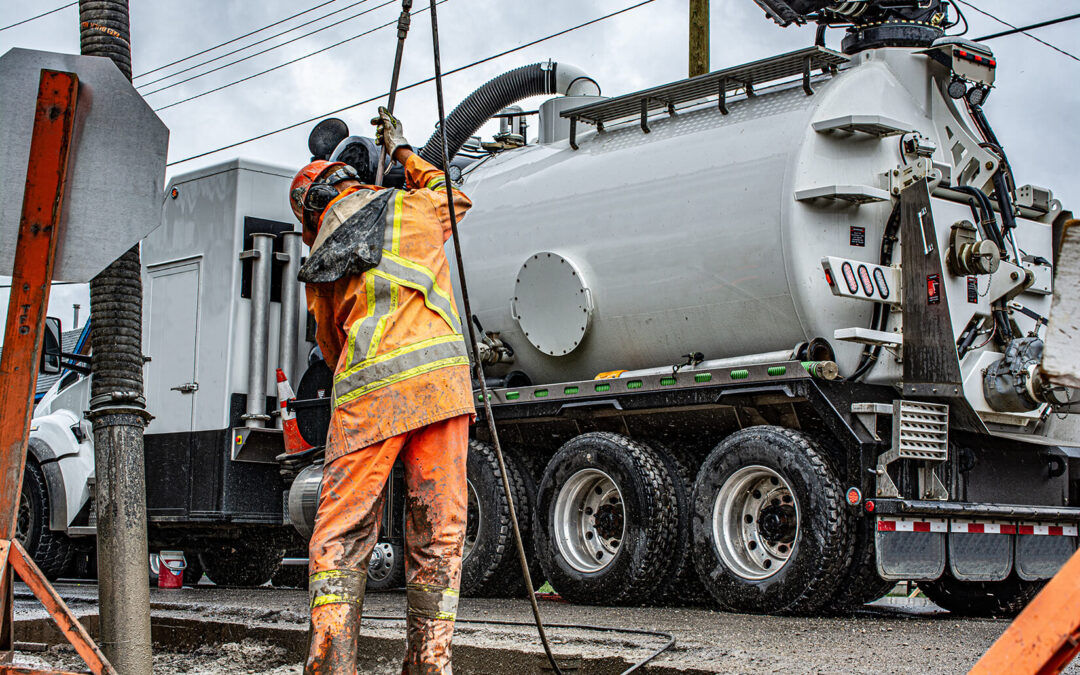
Hydrovac excavation uses heated, high-pressure water to cut through frozen soil while a powerful vacuum removes the loosened material. Instead of forcing the ground apart mechanically, hydrovac excavation melts and displaces soil with control and accuracy.
This process allows crews to excavate even when the ground is frozen several inches, or even feet, deep.
Key Advantages in Winter Conditions
- Heated water penetrates frozen layers without brute force
- Vacuum removal prevents refreezing at the excavation point
- Minimal surface disturbance limits icy runoff and mess
- Precise digging reduces unnecessary exposure and restoration
In short, hydrovac excavation works with winter conditions rather than fighting them.
Why Traditional Excavation Falls Short in Winter
Increased Risk to Utilities
Frozen soil transmits force differently. Mechanical digging can suddenly break through hardened layers, increasing the risk of striking gas, electric, water, or fiber lines. Utility damage in winter often leads to:
- Emergency shutdowns
- Extended service outages
- Dangerous conditions for workers and the public
Hydrovac excavation virtually eliminates this risk by using water rather than metal teeth.
Slower Production and Higher Costs
Mechanical excavation in frozen ground often requires:
- Ground thawing blankets
- Additional labor hours
- Repeated passes to break through the frost
Hydrovac excavation avoids these delays, often completing winter digs faster than traditional methods once setup is complete.
Limited Access in Urban Areas
In Denver and surrounding cities, winter excavation often occurs in tight rights-of-way, parking lots, or near buildings. Large mechanical equipment can struggle to maneuver safely in icy, confined spaces.
Hydrovac trucks can excavate from a distance, keeping equipment on stable ground while the hose reaches the work area.
Common Winter Projects That Require Hydrovac Excavation
Hydrovac excavation is especially valuable for winter work where precision and safety are non-negotiable.
Utility Daylighting
Exposing utilities before drilling, boring, or repair work is critical year-round — but even more so in winter. Hydrovac excavation allows crews to daylight utilities accurately without damaging frozen infrastructure.
Emergency Repairs
Frozen pipes, damaged valves, and stormwater blockages don’t wait for spring. Hydrovac excavation enables a rapid response when mechanical digging would take too long.
Storm Drain and Outfall Maintenance
Sediment buildup doesn’t stop in winter. Hydrovac excavation supports winter access to catch basins, storm drains, and outfalls, helping prevent flooding during snowmelt.
Pole, Sign, and Foundation Installation
Hydrovac excavation provides clean, round holes even in frozen soil, ideal for winter installations that require minimal surface disruption.
Hydrovac Excavation and Safety in Winter
Winter conditions already increase jobsite risk due to ice, cold, and reduced visibility. Hydrovac excavation helps mitigate these risks by:
- Reducing manual digging in icy conditions
- Limiting the number of workers near the excavation point
- Eliminating sudden mechanical breakthroughs
- Producing cleaner, more controlled excavations
This safety advantage is one reason hydrovac excavation is widely preferred by municipalities, utilities, and environmental contractors during winter months.
Environmental Benefits of Hydrovac Excavation in Cold Weather
Frozen ground doesn’t eliminate environmental responsibility. In fact, winter excavation can pose additional risks to stormwater systems and nearby waterways.
Hydrovac excavation supports environmentally responsible winter work by:
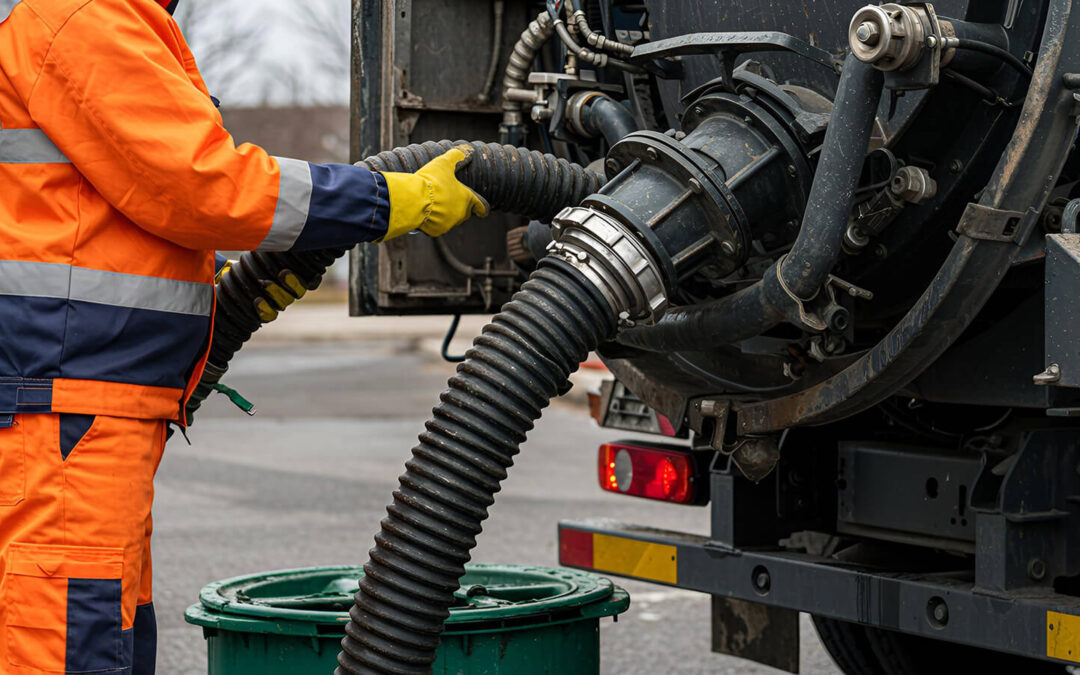
- Capturing all excavated material in sealed tanks
- Preventing sediment-laden runoff during thaw cycles
- Reducing soil displacement and erosion
- Supporting compliance with local and state environmental regulations
For projects tied to MS4 permits or stormwater control systems, this containment is especially important.
Why Hydrovac Is the Only Reliable Winter Solution in Colorado
In many winter scenarios, the question isn’t whether hydrovac excavation is better. It’s whether the project can move forward at all without it.
Hydrovac excavation offers:
- Year-round excavation capability
- Reliable performance in frozen soils
- Precision around sensitive infrastructure
- Faster mobilization for emergency work
- Reduced long-term restoration costs
When schedules matter and conditions are unforgiving, hydrovac excavation becomes the most dependable option available.
Colorado-Specific Considerations
Colorado’s elevation, soil composition, and temperature swings create unique excavation challenges. Along the Front Range, frost depths vary widely, meaning crews may encounter frozen ground unexpectedly, even during shoulder seasons.
Hydrovac excavation provides flexibility when conditions change overnight, allowing projects to continue without delays caused by unexpected freezes.
For municipalities, HOAs, and commercial property owners, this reliability translates into fewer schedule disruptions and better planning confidence.
How Biolein Supports Winter Excavation Projects
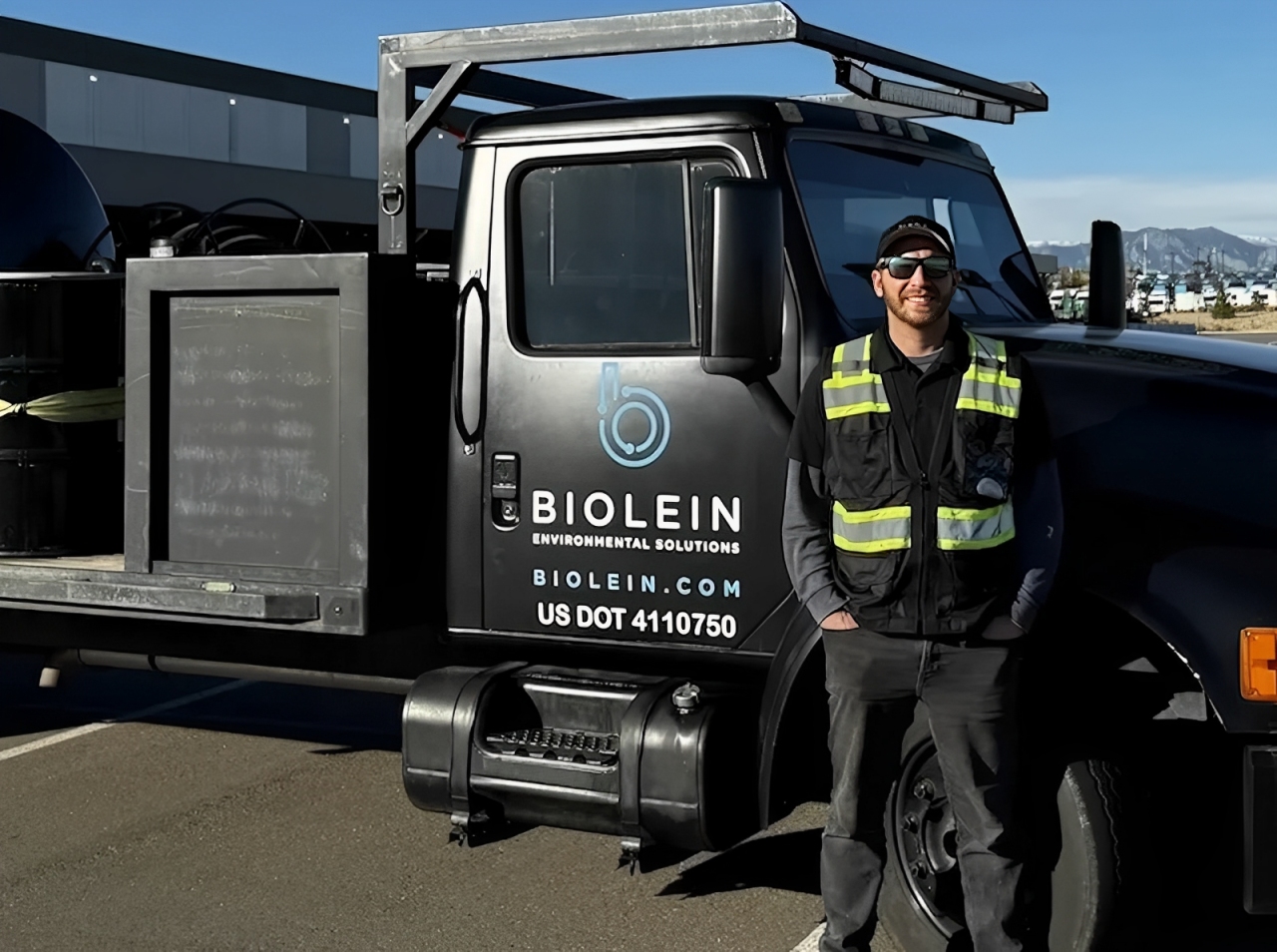
Biolein operates hydrovac equipment specifically suited for Colorado winters, with heated water systems and experienced operators who understand cold-weather excavation challenges.
Our winter hydrovac services support:
- Utility daylighting and repair
- Stormwater and drainage maintenance
- Emergency environmental response
- Industrial and municipal excavation needs
Just as importantly, our team understands how winter conditions affect safety, compliance, and project timelines, allowing us to adapt quickly as conditions change.
Don’t Let Winter Stop the Work
Frozen ground is one of the toughest obstacles Colorado projects face, but it doesn’t have to bring work to a halt. Hydrovac excavation offers a proven, safe, and efficient way to dig through frozen soil when traditional methods fail.
If your project can’t wait for spring, hydrovac excavation isn’t just an option. It’s the solution. Contact us at Biolein to learn how our hydrovac services keep projects moving safely and efficiently through Colorado winters.
Hydrovac excavation services: Learn more about our Denver hydrovac and vacuum truck services.

Biolein has become a trusted partner for hydrovac excavation, environmental waste management, environmental consultation for hazardous waste, and drainage solutions across Colorado and beyond. We’re not just an environmental services company in Denver — we’re the team you can count on to tackle the tough jobs and keep things running smoothly.