
In Colorado, spring runoff is both predictable and unforgiving. As snowpack melts and seasonal storms roll in, stormwater systems are pushed to their limits, often revealing problems that have been building all winter quietly. Clogged culverts, blocked storm drains, and sediment-filled basins can quickly turn normal runoff into flooding, erosion, and emergency response situations.
For municipalities, HOAs, commercial property owners, and MS4 permit holders, spring runoff preparedness is not optional. It’s essential. One of the most effective tools for staying ahead of runoff-related failures is the strategic use of vacuum truck services for emergency and preventative stormwater system clearing.
Why Spring Runoff Is a High-Risk Period
Colorado’s spring runoff season combines several challenging factors:
- Rapid snowmelt from higher elevations
- Saturated soils with limited absorption capacity
- Debris accumulation from winter storms
- Freeze-thaw damage to stormwater infrastructure
When water volume increases suddenly, any restriction in the system, no matter how small, can cause backups and overflows. Culverts and storm drains are especially vulnerable because they serve as choke points in the stormwater network.
Common Spring Runoff Failure Points
Clogged Storm Drains
Leaves, sand, trash, and winter deicing materials often accumulate in catch basins and curb inlets. When runoff hits, these materials block inflow, causing water to pond in streets, parking lots, and landscaped areas.
Blocked Culverts
Culverts frequently collect sediment, branches, and debris over winter. A partially blocked culvert may function during low flow but fail completely under runoff conditions, leading to upstream flooding or washouts.
Sediment-Filled Conveyance Systems
Stormwater pipes and channels can lose capacity as sediment settles over time. During runoff, this reduced capacity increases flow velocity and pressure, raising the risk of structural damage or overtopping.
Outfall Restrictions
Ice damage, erosion, or debris at outfalls can restrict discharge just when the system needs full flow. This often pushes water back into upstream infrastructure.
Why Vacuum Trucks Are Ideal for Spring Runoff Response
Vacuum trucks offer a unique combination of speed, precision, and containment, making them one of the most effective tools for both emergency response and proactive maintenance during spring runoff.
Fast Mobilization
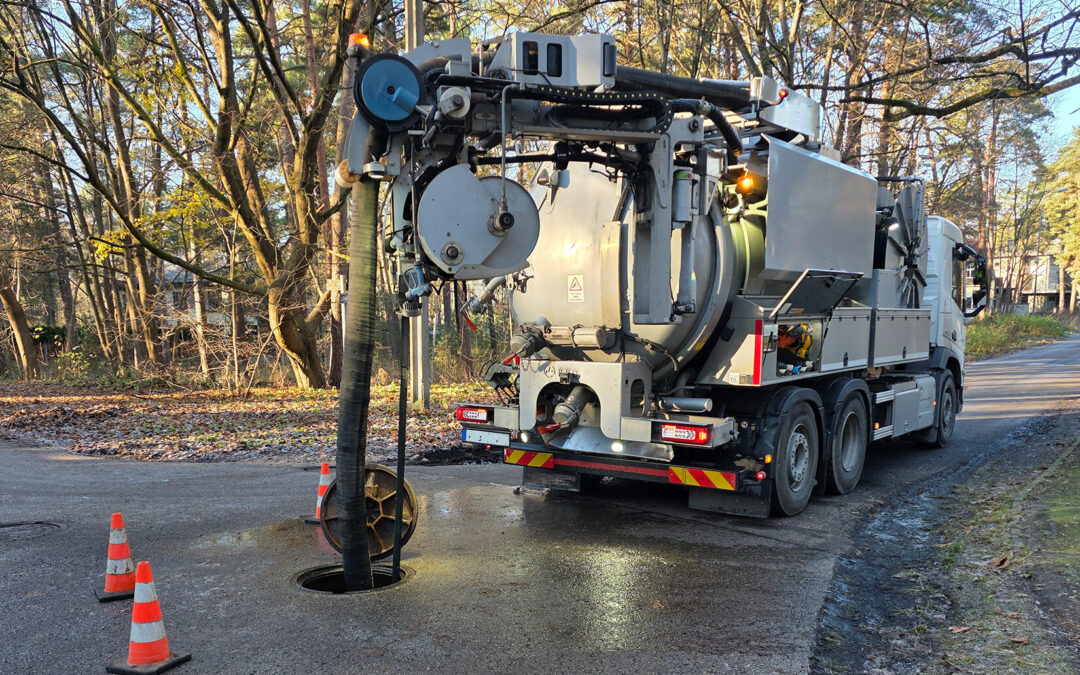
When water is rising, time matters. Vacuum trucks can be deployed quickly to remove obstructions without extensive setup or excavation.
Non-Destructive Clearing
Unlike mechanical digging or flushing, vacuum trucks remove debris without damaging pipes, culverts, or surrounding soils, critical when working around aging infrastructure.
Effective on Wet, Heavy Material
Spring runoff debris is often saturated, compacted, and heavy. Vacuum trucks are designed to handle wet sediment, sludge, and debris efficiently.
Contained Material Removal
All removed material is captured in sealed tanks, preventing downstream contamination and supporting environmental compliance.
Emergency Culvert Clearing with Vacuum Trucks
Culverts are a frequent source of spring runoff emergencies. When blocked, they can cause rapid upstream flooding, road damage, and erosion.
Vacuum truck services allow crews to:
- Remove sediment and debris from culvert inlets and outlets
- Clear standing water obstructing flow
- Access culverts without full excavation
- Restore capacity quickly during active runoff events
In emergency scenarios, vacuum trucks often provide the fastest path to restoring flow and minimizing damage.
Storm Drain Clearing Before and During Runoff
Proactive storm drain clearing is one of the most effective ways to reduce emergency calls during runoff season. Vacuum trucks are commonly used to clean:
- Catch basins and curb inlets
- Storm drain sumps
- Inlet grates and debris traps
- Downstream conveyance piping
During active runoff, vacuum trucks can also be used to remove accumulated debris as conditions change, keeping systems functional throughout the season.
Supporting MS4 and Stormwater Compliance
For MS4 permit holders, spring runoff is a high-visibility period. Inspectors often focus on how well stormwater systems perform during peak flow conditions.
Vacuum truck maintenance supports compliance by:
- Demonstrating proactive system control measures
- Reducing visible pollution during runoff events
- Maintaining outfalls and conveyance capacity
- Supporting documentation of maintenance activities
Emergency and preventative clearing both play a role in maintaining compliance and protecting receiving waters.
Preventative Maintenance vs. Emergency Response
While vacuum trucks are highly effective in emergencies, the greatest value comes from pre-runoff preparation.
Preventative Spring Readiness Activities Include:
- Catch basin and storm drain cleanouts
- Culvert inspections and debris removal
- Sediment removal from detention and retention systems
- Outfall inspections and clearing
These actions reduce the likelihood of system failure and allow emergency resources to focus on truly unexpected events.
Environmental Benefits of Vacuum Truck Clearing
Spring runoff carries a high risk of transporting pollutants into waterways. Vacuum truck services help protect the environment by:
- Removing sediment before it becomes mobilized
- Preventing trash and debris from entering streams
- Reducing erosion caused by restricted flow
- Supporting clean stormwater discharge
Because material is removed rather than flushed downstream, vacuum trucks offer a more environmentally responsible solution.
Who Benefits from Spring Runoff Vacuum Truck Services
Vacuum truck services are critical for a wide range of clients during spring runoff, including:
- Municipal public works departments
- HOAs and residential communities
- Commercial and industrial property owners
- Campuses, parks, and multi-building sites
- Transportation corridors and access roads
Any property with stormwater infrastructure is vulnerable during runoff season.
How Biolein Supports Spring Runoff Preparedness
Biolein provides vacuum truck services designed specifically for Colorado’s spring runoff conditions. Our team supports both planned maintenance and 24/7 emergency response, helping clients stay ahead of runoff challenges.
Our services include:
- Emergency culvert clearing
- Storm drain and catch basin cleanouts
- Sediment removal from conveyance systems
- Outfall maintenance and inspection support
- Runoff readiness planning
With experience in stormwater systems, environmental compliance, and rapid response, Biolein helps clients reduce risk before, during, and after runoff season.
Preparing Now Prevents Problems Later
Spring runoff doesn’t wait for schedules to align. Systems that aren’t prepared can fail quickly and expensively when snowmelt accelerates.
Vacuum trucks provide a proven, flexible solution for keeping culverts and storm drains clear, whether you’re responding to an emergency or preparing ahead of time.
If your stormwater infrastructure hasn’t been inspected or cleaned ahead of runoff season, now is the time to act. Contact us today to discuss spring runoff preparedness and vacuum truck services that help protect your property, infrastructure, and waterways.
Vacuum truck services: Learn more about Biolein’s vacuum truck services in Denver and Colorado.

Biolein has become a trusted partner for hydrovac excavation, environmental waste management, environmental consultation for hazardous waste, and drainage solutions across Colorado and beyond. We’re not just an environmental services company in Denver — we’re the team you can count on to tackle the tough jobs and keep things running smoothly.