
Water is one of the most valuable resources in Colorado, but not all water behaves the same way. If you own or manage a commercial property, HOA, agricultural land, or large residential parcel, you've likely heard terms like groundwater, stormwater, retention pond, or...
resources


Categories
Recent Posts
From Spill to Clean: What Happens During an Emergency Environmental Response
Emergencies rarely happen on a schedule. A ruptured storage tank, an overturned vehicle carrying fluids, a stormwater system overwhelmed by runoff, or an unexpected industrial release can quickly create situations that require immediate action. When they do, every...
Is Your Pond or Cistern Water Safe for Gardens, Lawns, and Livestock?
Many Colorado property owners rely on ponds, cisterns, and other stored water sources to irrigate gardens, maintain healthy lawns, or provide water for livestock. These systems can be valuable resources, especially during dry periods or in areas where conserving...
Pond Dredging Season in Colorado: How Hydro Excavation Restores Depth Without Draining Your Pond
Natural ponds are constantly changing. Every rainstorm, every fallen leaf, and every season adds a little more sediment to the bottom. Over time, that gradual accumulation can reduce water depth, fuel algae growth, degrade water quality, and diminish the ecological...
Industrial Vacuum Truck Capabilities: Wet Vacuuming, Dry Vacuuming, and Everything In Between
When most people think of a vacuum truck, they picture a large vehicle removing standing water or cleaning out a septic tank. While those are certainly common applications, modern industrial vacuum trucks are capable of much more. Today's vacuum trucks are among the...
What Is a Retention Pond and Who Is Responsible for Maintaining It?
Retention ponds are a common feature in residential communities, commercial developments, industrial facilities, and municipal stormwater systems throughout Colorado. While they often look like decorative ponds or small lakes, retention ponds serve a much more...
Hydrovac vs. Mechanical Excavation: Total Cost Comparison for Denver Contractors
When planning an excavation project in Denver, one of the biggest decisions contractors face is which method to use. On the surface, traditional mechanical excavation using backhoes, trenchers, or excavators is often the more cost-effective option. But when you look...
Colorado CDPHE Stormwater Permit Requirements: What Property Owners and Contractors Need to Know
Stormwater management isn’t just a best practice in Colorado. It’s a regulated responsibility. Whether you’re a property owner, contractor, developer, or facility manager, understanding Colorado Department of Public Health and Environment (CDPHE) stormwater permit...
10 Important Things to Know About Storm Drain Cleaning
Storm drains are one of the most overlooked yet critical parts of any property’s infrastructure. Whether you manage a commercial site, HOA, municipal system, or industrial facility, properly functioning storm drains are essential for preventing flooding, protecting...
Hydrovac vs. Air Excavation: Which Non-Destructive Digging Method Is Right for Your Project?
When excavation needs to happen around buried utilities, pipelines, or sensitive infrastructure, traditional digging methods often introduce unnecessary risk. Mechanical excavation with backhoes or trenchers can damage underground utilities, disrupt surrounding soil,...
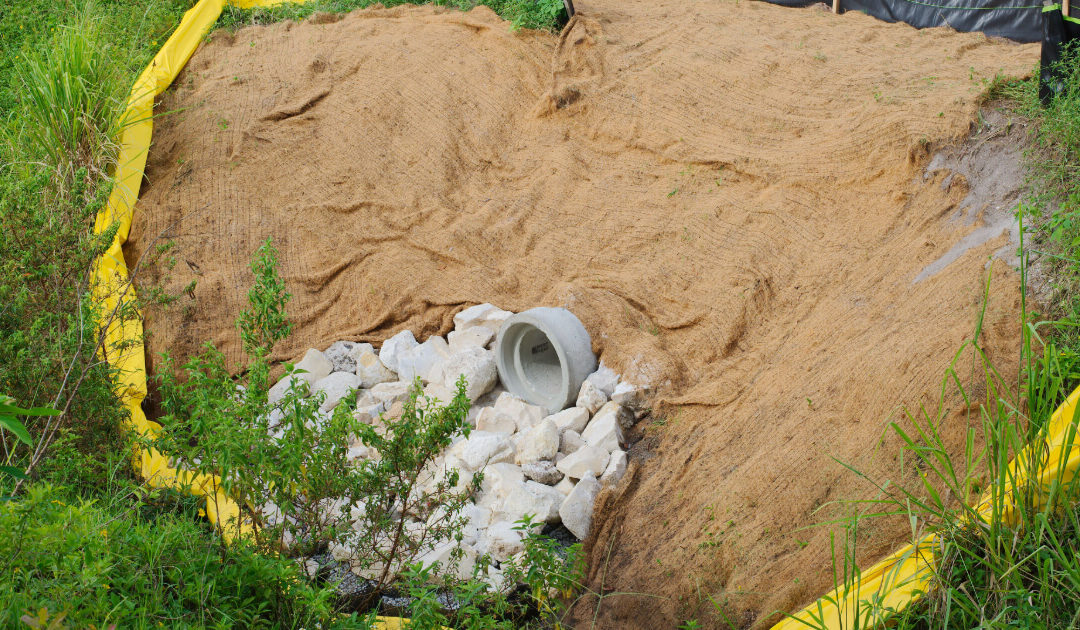
Groundwater, Stormwater, and Your Property: What Colorado Owners Should Know
Stored water sources like ponds and cisterns can accumulate sediment, algae, and bacteria over time. Regular testing and maintenance help ensure water quality for irrigation and livestock.
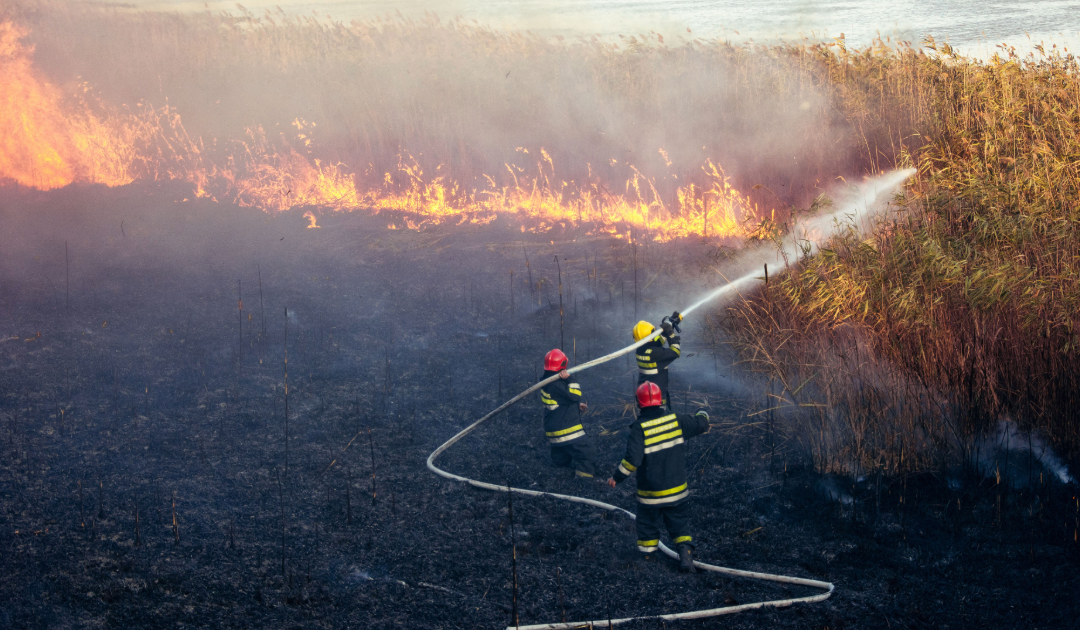
From Spill to Clean: What Happens During an Emergency Environmental Response
Stored water sources like ponds and cisterns can accumulate sediment, algae, and bacteria over time. Regular testing and maintenance help ensure water quality for irrigation and livestock.
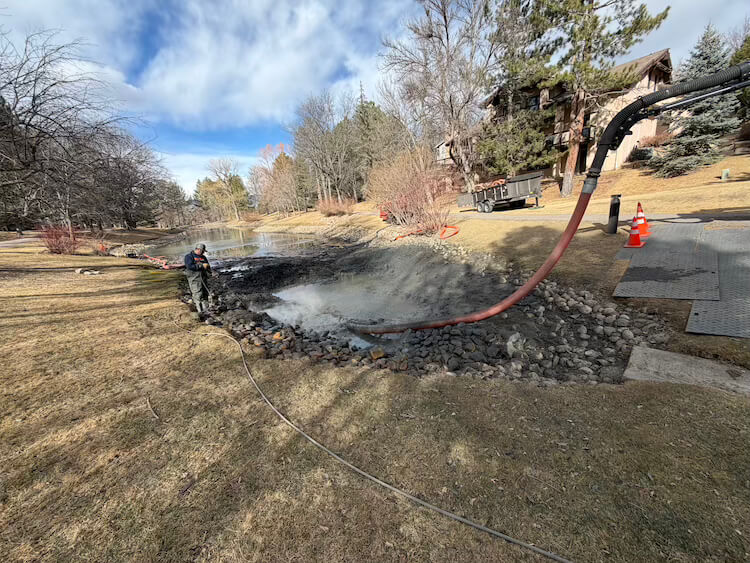
Is Your Pond or Cistern Water Safe for Gardens, Lawns, and Livestock?
Stored water sources like ponds and cisterns can accumulate sediment, algae, and bacteria over time. Regular testing and maintenance help ensure water quality for irrigation and livestock.
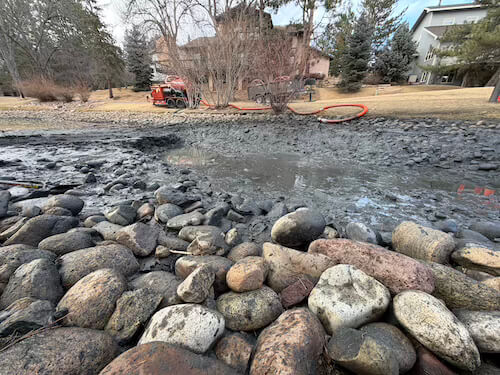
Pond Dredging Season in Colorado: How Hydro Excavation Restores Depth Without Draining Your Pond
Hydro excavation allows Colorado pond owners to remove sediment and restore depth without draining, preserving fish habitat and water quality.
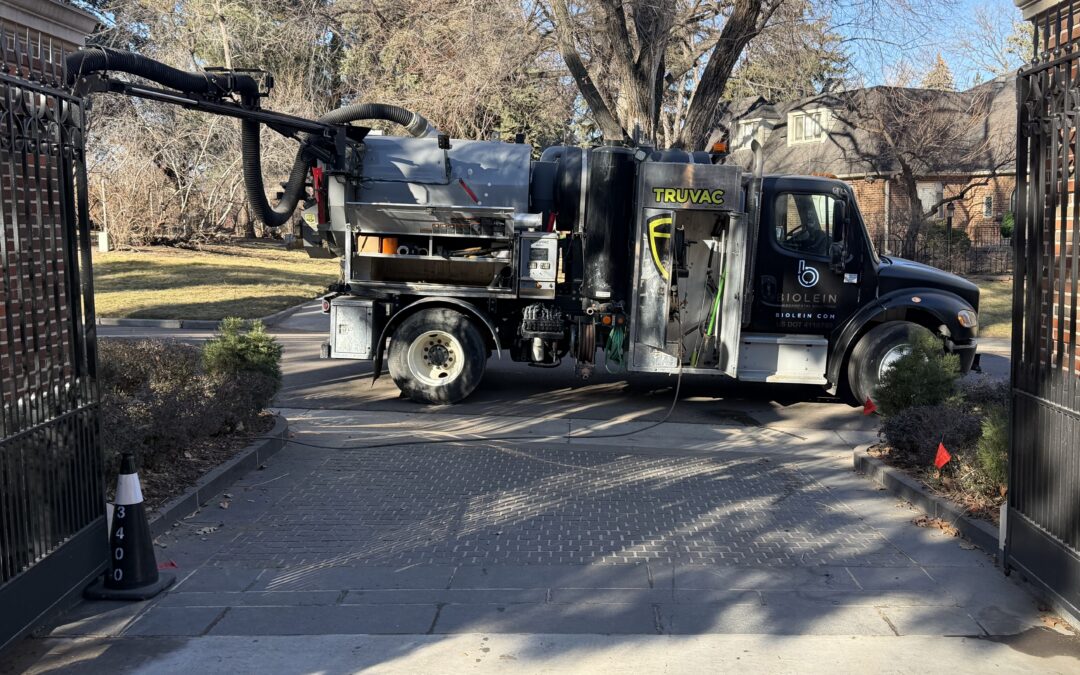
Industrial Vacuum Truck Capabilities: Wet Vacuuming, Dry Vacuuming, and Everything In Between
Discover the capabilities of industrial vacuum trucks, from wet and dry vacuuming to sludge removal, hydrovac excavation, and environmental cleanup services.
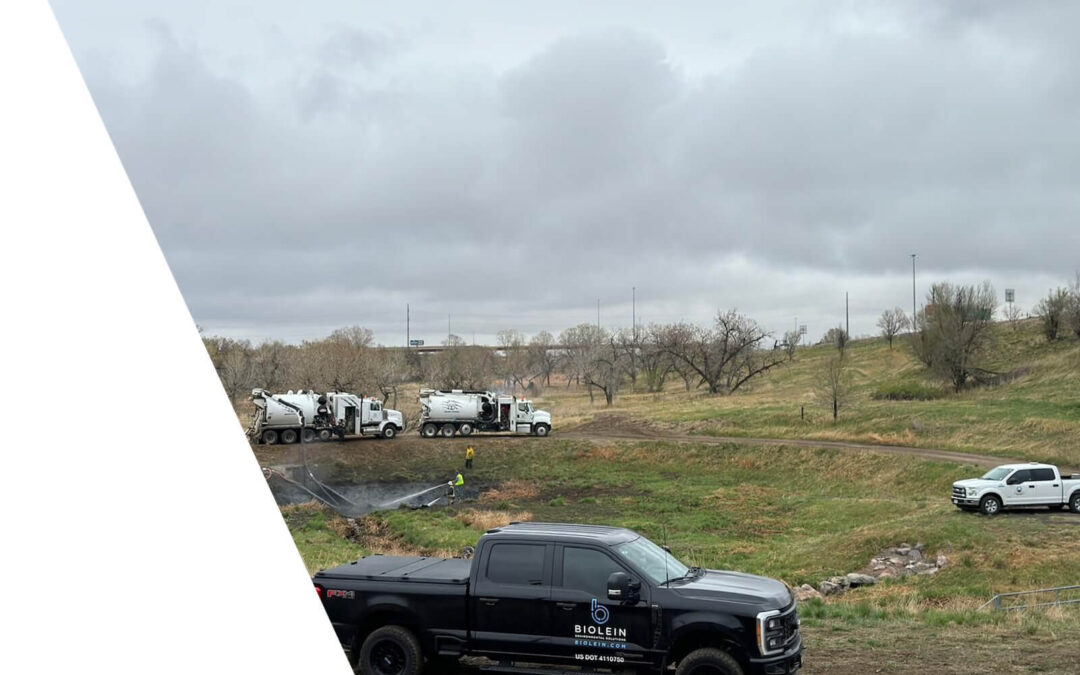
What Is a Retention Pond and Who Is Responsible for Maintaining It?
Learn what retention ponds do, who is responsible for maintenance, and why regular inspections help prevent flooding and costly repairs.
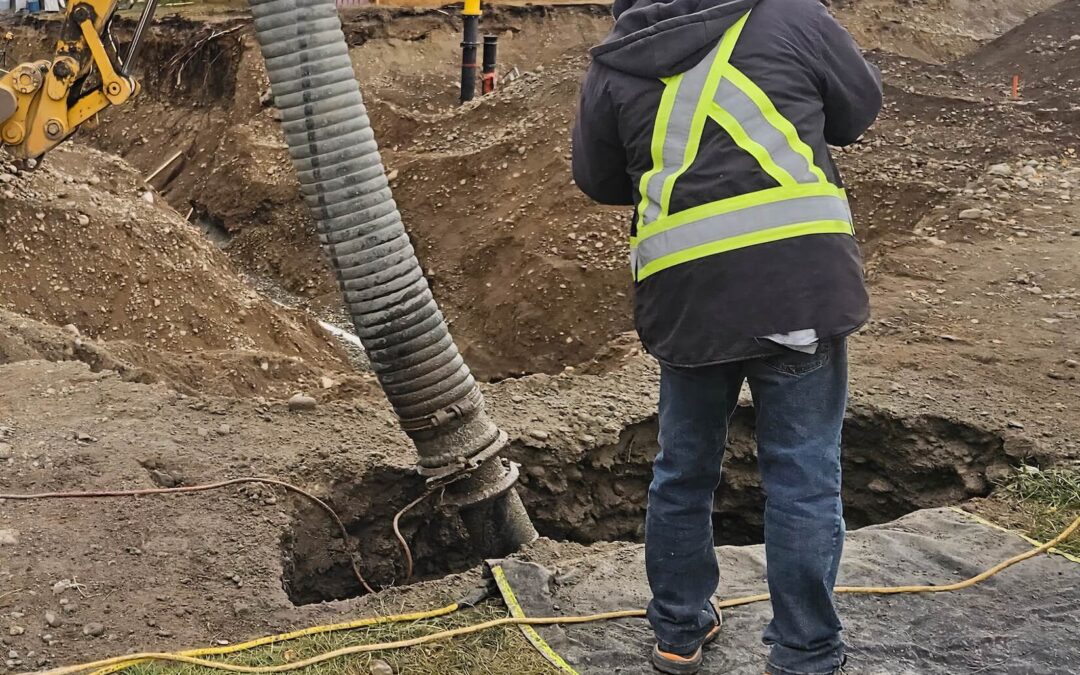
Hydrovac vs. Mechanical Excavation: Total Cost Comparison for Denver Contractors
When planning an excavation project in Denver, one of the biggest decisions contractors face is which method to use. On the surface, traditional mechanical excavation using backhoes, trenchers, or excavators is often the more cost-effective option. But when you look...
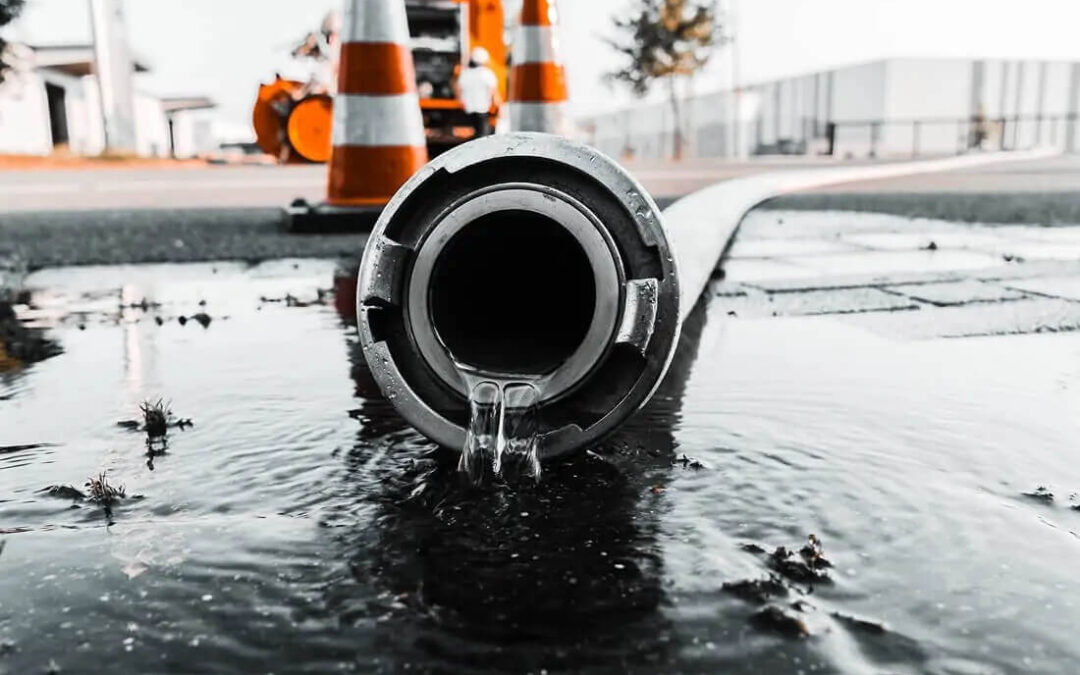
Colorado CDPHE Stormwater Permit Requirements: What Property Owners and Contractors Need to Know
Stormwater management isn’t just a best practice in Colorado. It’s a regulated responsibility. Whether you’re a property owner, contractor, developer, or facility manager, understanding Colorado Department of Public Health and Environment (CDPHE) stormwater permit...
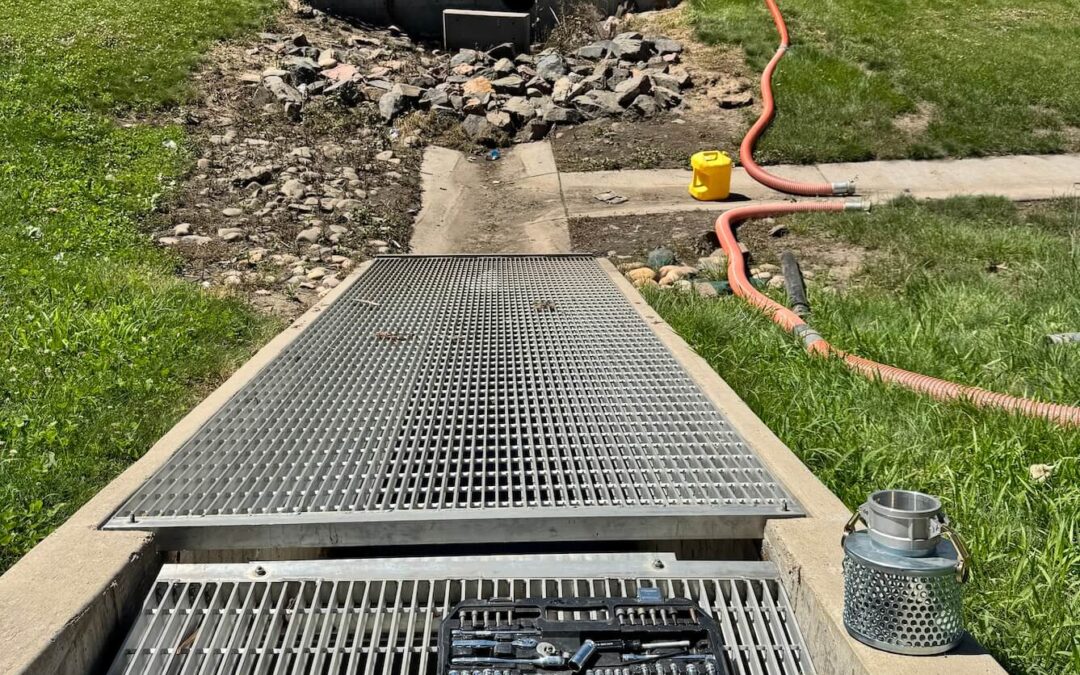
10 Important Things to Know About Storm Drain Cleaning
Storm drains are one of the most overlooked yet critical parts of any property’s infrastructure. Whether you manage a commercial site, HOA, municipal system, or industrial facility, properly functioning storm drains are essential for preventing flooding, protecting...