
Water is one of the most valuable resources in Colorado, but not all water behaves the same way. If you own or manage a commercial property, HOA, agricultural land, or large residential parcel, you’ve likely heard terms like groundwater, stormwater, retention pond, or detention basin. While these terms are often used together, they each play a different role in protecting your property and the surrounding environment.
Understanding the difference between groundwater and stormwater and how your property’s drainage infrastructure supports both can help you make better maintenance decisions, reduce flooding risks, and keep your stormwater systems functioning as intended.
What Is Stormwater?
Stormwater is water generated from precipitation, including rain and snowmelt, that flows across the land instead of soaking into the ground immediately.
As stormwater moves across rooftops, parking lots, roads, and other hard surfaces, it collects sediment, leaves, organic debris, and other naturally occurring materials before entering storm drains, drainage channels, detention basins, or retention ponds.
In undeveloped landscapes, much of this water naturally infiltrates into the soil. As communities grow and more surfaces become paved, stormwater moves faster and in greater volumes, making engineered drainage systems increasingly important.
Without proper management, stormwater can contribute to:
- Localized flooding
- Streambank erosion
- Sediment transport
- Water quality degradation
- Damage to roads, landscaping, and infrastructure
What Is Groundwater?
Groundwater is the water stored beneath the Earth’s surface within soil, sand, gravel, and rock formations known as aquifers.
Unlike stormwater, groundwater isn’t visible flowing across the landscape. Instead, it slowly moves through underground soils and rock, supplying wells, springs, streams, wetlands, and ecosystems throughout Colorado.
Groundwater is naturally replenished through a process known as recharge, where water infiltrates through the soil and gradually reaches underground aquifers.
Healthy groundwater supplies are essential for agriculture, drinking water, wildlife habitat, and long-term water availability.
How Are Stormwater and Groundwater Connected?
Although they are different, stormwater and groundwater are closely connected.
When stormwater is allowed to slow down and infiltrate naturally, a portion of it becomes groundwater through recharge. This natural process helps replenish underground aquifers while filtering water through layers of soil.
However, when runoff moves too quickly over paved surfaces, less water infiltrates into the ground. Instead, larger volumes flow directly into storm drains and waterways.
Stormwater management systems are designed to restore some of this natural balance by slowing runoff and allowing water to settle before continuing downstream.
The Role of Detention Basins
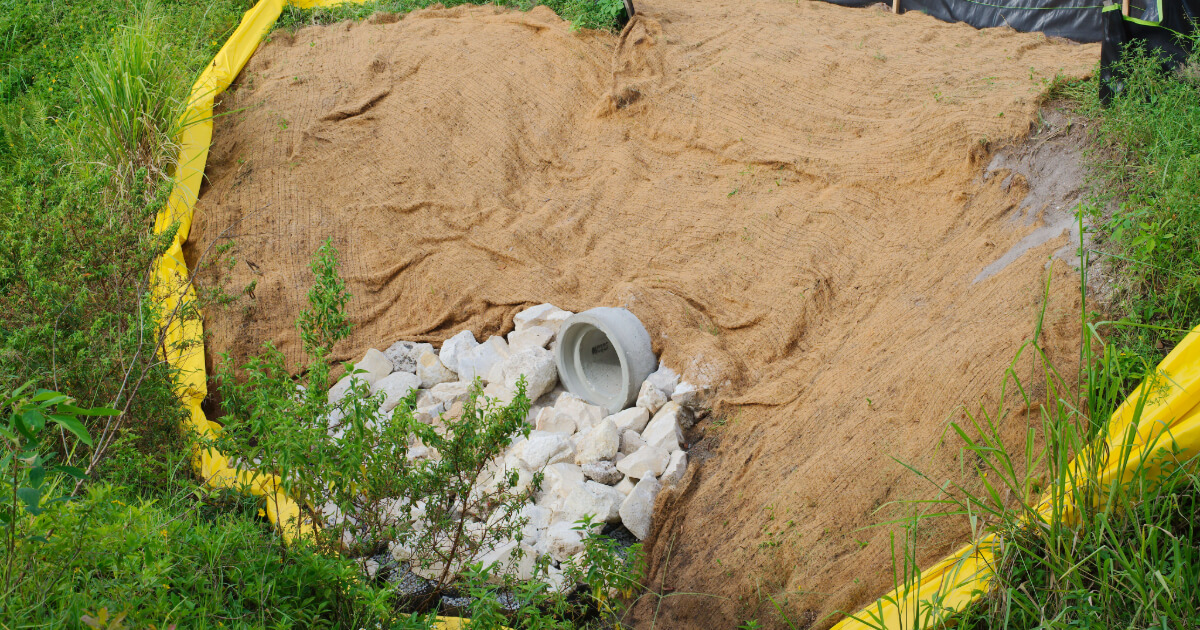
Detention basins temporarily store stormwater after rain or snowmelt before slowly releasing it into downstream drainage systems. Unlike retention ponds, detention basins are often dry between storm events.
Their primary purposes include:
- Reducing peak stormwater flows
- Lowering flood risks
- Minimizing erosion
- Allowing sediment to settle before discharge
By slowing water movement, detention basins reduce stress on downstream infrastructure and waterways.
The Role of Retention Ponds
Retention ponds differ from detention basins because they maintain a permanent pool of water throughout most or all of the year.
In addition to managing stormwater volume, retention ponds provide additional environmental benefits by allowing more time for sediment and nutrients to settle out before water leaves the system.
Well-maintained retention ponds can:
- Improve water clarity
- Reduce sediment transport
- Support natural filtration
- Provide wildlife habitat
- Contribute to groundwater recharge where site conditions allow
Many ponds also become valuable landscape features for HOAs, commercial developments, parks, and municipalities.
How Natural Filtration Works
One of the greatest benefits of detention and retention systems is their ability to improve water quality through natural processes.
As stormwater slows inside a basin or pond:
- Larger sediment particles settle to the bottom.
- Organic debris begins to decompose.
- Some nutrients are absorbed by vegetation.
- Fine particles have time to separate from the water.
This natural settling process helps reduce the amount of sediment and debris that reaches downstream creeks, rivers, and lakes.
Although these systems provide valuable treatment, they are not self-cleaning.
Why Sediment Removal Matters
Every storm introduces a small amount of sediment into a detention basin or retention pond. Over time, those small deposits become significant accumulations.
As sediment builds up:
- Storage capacity decreases.
- Water has less room during heavy storms.
- Flow patterns change.
- Water quality declines.
- Maintenance costs increase.
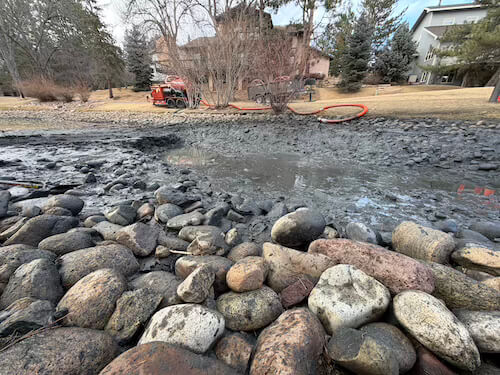
Eventually, excessive sediment reduces the effectiveness of the entire stormwater system. Professional sediment removal restores the original design capacity while improving long-term performance.
Keeping Stormwater Systems Functioning Properly
Stormwater infrastructure is designed to operate for decades—but only if it receives regular maintenance.
Routine inspections can identify issues before they become major problems, including:
- Sediment accumulation
- Blocked inlet or outlet structures
- Erosion
- Excessive vegetation
- Debris buildup
Addressing these issues early helps maintain reliable stormwater performance while extending the life of the system.
Stormwater Maintenance Supports Compliance
Many commercial developments, municipalities, industrial facilities, and HOAs have stormwater infrastructure that must be maintained as part of ongoing environmental responsibilities.
Regular maintenance helps demonstrate that stormwater systems continue to function as designed by:
- Maintaining storage capacity
- Supporting proper water flow
- Reducing sediment transport
- Protecting downstream waterways
- Preserving stormwater treatment performance
A proactive maintenance program is often far more cost-effective than responding to flooding, erosion, or major system failures.
Colorado’s Climate Makes Maintenance Even More Important
Colorado presents unique stormwater challenges throughout the year.
Spring snowmelt can rapidly increase runoff volumes, while intense summer thunderstorms deliver large amounts of water over short periods. During fall, leaves and organic debris accumulate throughout drainage systems, and winter sanding operations often leave sediment behind that settles into catch basins and ponds.
These seasonal conditions make routine inspections and sediment removal especially important for maintaining reliable stormwater performance.
Signs Your Stormwater System May Need Maintenance
Many drainage systems continue functioning even after sediment begins accumulating, making problems easy to overlook until a major storm occurs.
Common warning signs include:
- Standing water that remains long after rainfall
- Reduced pond depth
- Excessive sediment along shorelines
- Murky water
- Increased algae growth
- Clogged inlet or outlet structures
- Erosion around basin edges
- Water bypassing intended drainage paths
If these issues become noticeable, it may be time for a professional evaluation.
Protecting Colorado’s Water Resources Starts on Your Property
Every property with stormwater infrastructure plays a role in protecting Colorado’s water resources. Properly maintained detention basins, retention ponds, drainage channels, and stormwater systems help reduce flooding, improve water quality, and support the natural movement of water through the landscape.
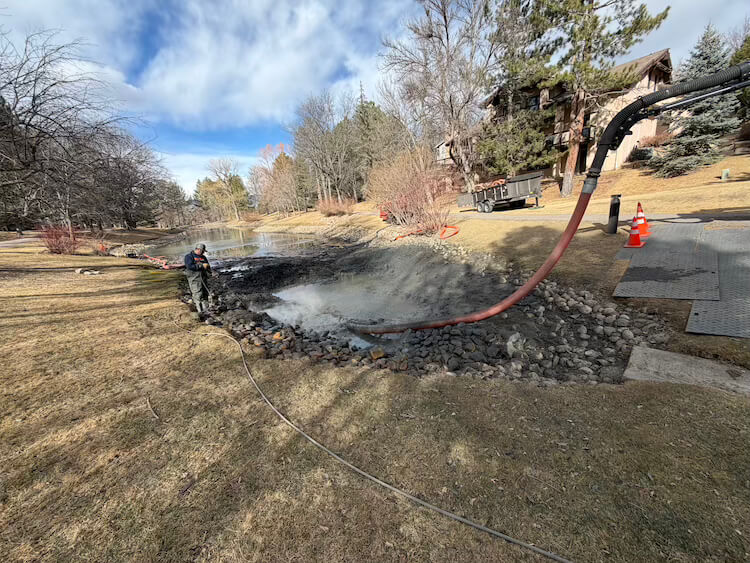
At Biolein, we work with HOAs, municipalities, commercial property owners, industrial facilities, and land managers to maintain stormwater systems through sediment removal, retention pond cleanouts, drainage basin maintenance, hydrovac services, and vacuum truck solutions. Our goal is to help your infrastructure continue performing as designed while supporting the long-term health of Colorado’s natural waterways.
Keep Your Stormwater System Working as Designed
Stormwater and groundwater are connected through the natural water cycle, and your property’s drainage infrastructure helps bridge that connection. By keeping detention basins, retention ponds, and stormwater systems free of excessive sediment and debris, you help preserve their ability to manage runoff, support water quality, and protect surrounding properties.
If your stormwater infrastructure hasn’t been inspected recently, Biolein can help evaluate its condition and recommend maintenance solutions that restore performance while supporting your environmental goals. Contact us today.
Frequently Asked Questions
What is the difference between groundwater and stormwater?
Stormwater is precipitation that flows across the land after rain or snowmelt, while groundwater is water stored beneath the surface in underground aquifers. Stormwater can become groundwater through natural infiltration.
What is the difference between a detention basin and a retention pond?
A detention basin temporarily stores stormwater before slowly releasing it, and is often dry between storms. A retention pond maintains a permanent pool of water and provides additional water quality benefits by allowing sediment and nutrients to settle.
Why do detention and retention basins need maintenance?
Over time, sediment, leaves, and organic debris accumulate within these systems, reducing their storage capacity and ability to manage stormwater effectively. Regular maintenance helps restore their intended function.
How often should a retention pond or detention basin be cleaned?
Maintenance schedules vary depending on surrounding land use, watershed conditions, and sediment accumulation. Routine inspections help determine when sediment removal is needed.
Does sediment removal improve water quality?
Yes. Removing accumulated sediment reduces the amount of nutrients and organic material stored in the basin, helping maintain water quality and improve overall system performance.
Who is responsible for maintaining stormwater ponds and basins?
Responsibility depends on ownership. Maintenance may fall to HOAs, commercial property owners, municipalities, industrial facilities, or other organizations responsible for the stormwater infrastructure on their property.
How can Biolein help with stormwater system maintenance?
Biolein provides stormwater infrastructure maintenance services, including retention pond cleanouts, detention basin sediment removal, hydrovac excavation, vacuum truck services, drainage system cleaning, and environmental maintenance to help keep systems operating safely and efficiently.

Biolein has become a trusted partner for hydrovac excavation, environmental waste management, environmental consultation for hazardous waste, and drainage solutions across Colorado and beyond. We’re not just an environmental services company in Denver — we’re the team you can count on to tackle the tough jobs and keep things running smoothly.