Fall in Colorado means cooler temperatures, changing leaves, and the first signs that snow season is approaching. For property managers, HOAs, municipalities, and commercial property owners, it should also mean taking a closer look at stormwater infrastructure.
Throughout spring and summer, storm drains and catch basins collect sediment, leaves, trash, grass clippings, and other debris carried by runoff. If that material remains heading into winter, snowmelt and winter storms can overwhelm already-restricted drainage systems and carry accumulated pollutants farther downstream.
Professional storm drain and catch basin cleaning before winter helps restore capacity, maintain proper drainage, and protect Colorado’s natural water resources.
What Do Storm Drains and Catch Basins Actually Do?
Storm drains are part of a larger system designed to move rainwater and snowmelt away from roads, parking lots, buildings, and other developed areas.
Catch basins serve an important role within that system. Located beneath or adjacent to storm drain openings, they provide an area where heavier sediment and debris can settle before water continues through underground pipes or other stormwater infrastructure.
That settling protects downstream systems by capturing material such as dirt, sand, leaves, and gravel.
The catch is that this material doesn’t disappear. It remains in the basin until it is removed. Without regular cleaning, a system designed to capture sediment can eventually become filled with it.
What Accumulates in a Catch Basin?
Colorado’s changing seasons introduce different materials into stormwater systems throughout the year.
Spring runoff can carry soil and sediment. Summer thunderstorms wash dirt and landscaping material from developed properties. By fall, leaves and other organic debris become another significant source of buildup.
Parking lots and roadways may contribute additional material, including:
- Sand and gravel
- Soil and sediment
- Leaves and vegetation
- Trash
- Organic matter
- Materials deposited on paved surfaces
By late fall, a catch basin may contain material accumulated over multiple seasons. Cleaning it before winter creates additional capacity for the snow, ice, and runoff ahead.
Why Is Fall an Important Time for Storm Drain Cleaning in Colorado?
Colorado winters place unique demands on drainage infrastructure.
Snow may remain on a property for days or weeks before rapidly melting during a stretch of warmer weather. Temperatures can also fluctuate above and below freezing within a short period.
When snowmelt reaches a storm drain that is already restricted by sediment and debris, water may have nowhere to go.
The result can be ponding around drains, water flowing across parking lots or roadways, and localized icing when standing water freezes again overnight.
Cleaning catch basins and storm drains before sustained winter weather helps ensure that water has a clear path through the system when snow begins to melt.
Catch Basin Cleaning Is Also About Water Quality
Drainage performance is only part of the equation.
Stormwater flows across developed surfaces before entering drains, picking up sediment and other materials along the way. Catch basins help prevent some of those materials from immediately traveling downstream.
That makes maintenance an important water-quality practice. Consider the volume of runoff a single storm can create: one inch of rain falling on one acre produces approximately 27,000 gallons of water. On properties dominated by rooftops, parking lots, sidewalks, and other impervious surfaces, much of that water may become runoff.
When catch basins are properly maintained, they have more capacity to capture sediment before that material moves farther through the stormwater system and potentially reaches Colorado’s streams, ponds, lakes, and other natural waters.
What Happens When Sediment Isn’t Removed?
Sediment buildup occurs gradually, which makes it easy to ignore.
A catch basin may continue accepting water even when a substantial portion of its storage area is already occupied by sediment. Eventually, however, performance begins to decline.
Excessive accumulation can reduce storage volume, restrict drainage, and allow more sediment to move downstream.
Organic material presents another concern. Leaves, grass, and other vegetation contain nutrients such as nitrogen and phosphorus. As that material decomposes, those nutrients can become available in the water and contribute to algae and other water-quality problems downstream.
Removing accumulated material addresses the problem at the source instead of allowing years of sediment and organic matter to continue building within the system.
How Are Storm Drains and Catch Basins Professionally Cleaned?
Professional cleaning typically begins with an inspection to understand the condition of the system and determine how much material has accumulated.
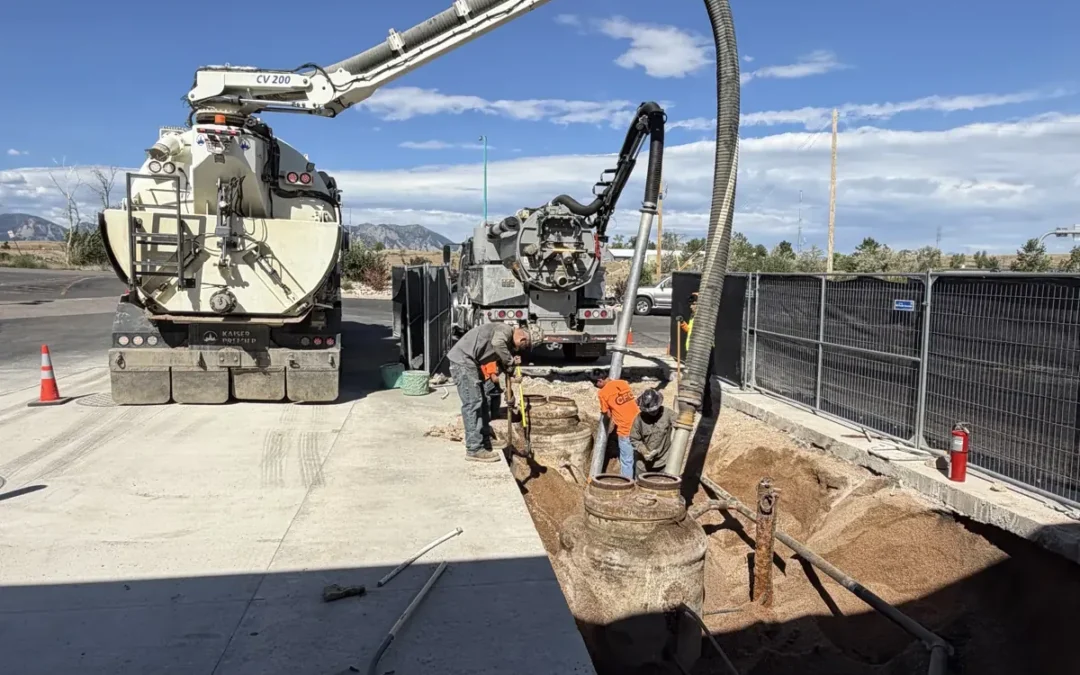
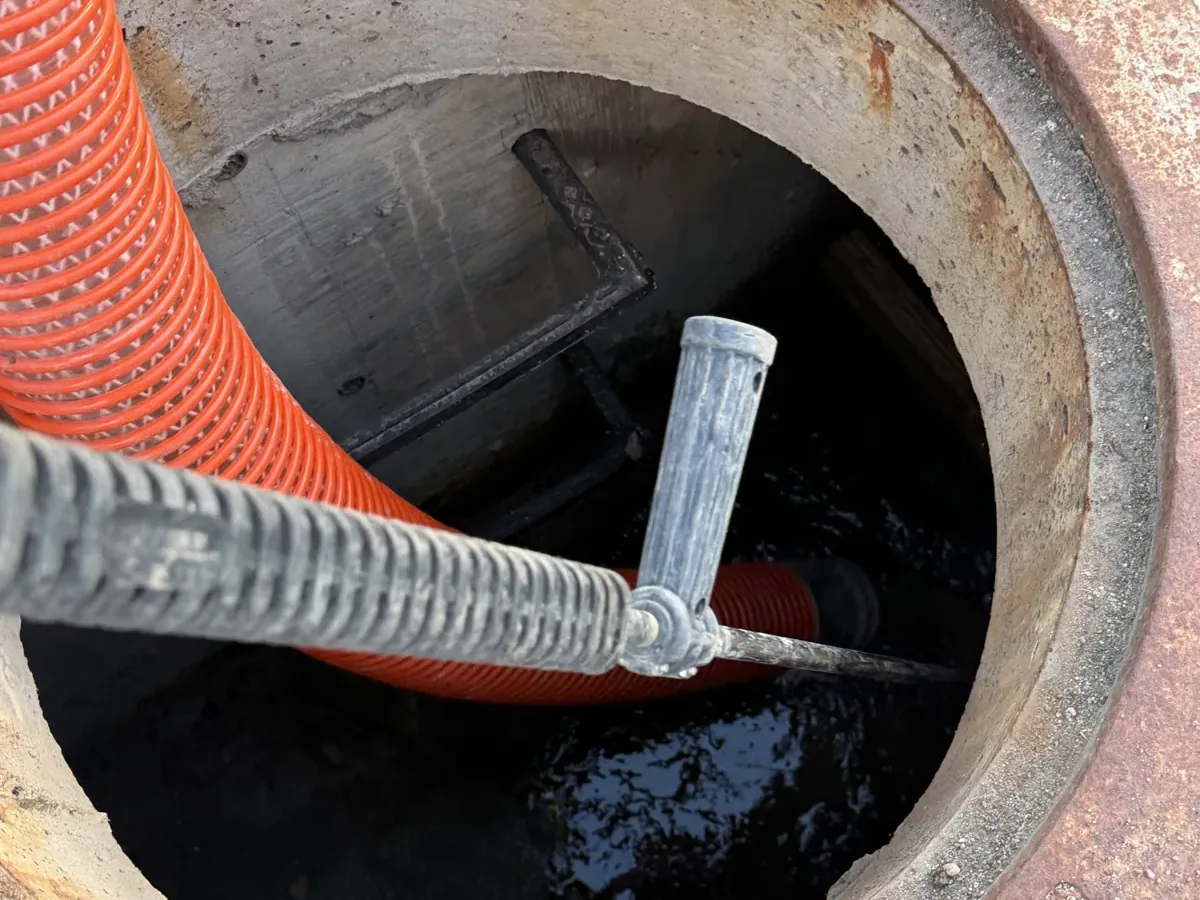
For many projects, vacuum truck services provide an efficient way to remove standing water, sediment, sludge, leaves, and other debris from catch basins.
Powerful vacuum equipment allows crews to recover material directly into a contained tank rather than simply moving it somewhere else within the drainage system.
Depending on site conditions, cleaning may also involve flushing or additional equipment to clear connected storm drain lines and restore flow.
The recovered material can then be appropriately managed based on its characteristics and project requirements.
Which Properties Benefit From Pre-Winter Cleaning?
Any property with significant stormwater infrastructure can benefit from regular inspections and cleaning.
For HOAs, functioning drains help protect streets, common areas, and community landscaping.
For commercial properties, clean drainage systems help manage runoff across large parking lots and other impervious areas.
For municipalities, catch basin maintenance supports broader stormwater management and water-quality programs.
Industrial properties, construction sites, campuses, and other large facilities may have additional maintenance responsibilities based on their drainage infrastructure and applicable stormwater requirements.
The appropriate cleaning schedule depends on the property. A heavily landscaped site may accumulate leaves and organic material quickly, while a property near active construction may experience heavier sediment loads.
Stormwater Maintenance and Colorado Compliance
For properties subject to stormwater permits, MS4 requirements, or site-specific maintenance plans, keeping stormwater control measures functional can also be an important compliance responsibility.
A stormwater system isn’t effective simply because it was installed correctly. It must continue functioning as designed.
Routine inspections, sediment removal, catch basin cleaning, and maintenance documentation can help demonstrate that property owners and operators are actively maintaining their stormwater infrastructure.
Waiting until a drain is completely blocked can turn routine maintenance into a much larger operational and compliance issue.
Signs Your Catch Basins May Need Cleaning
You don’t necessarily need to wait for flooding to discover that a system needs attention.
Watch for sediment visible near drain openings, slow drainage after storms, standing water, accumulated leaves, recurring debris around catch basins, or water flowing around rather than into a drain.
Another important consideration is maintenance history. If you don’t know when your catch basins were last inspected or cleaned, an assessment before winter can establish their current condition and help determine an appropriate maintenance schedule.
Prepare Your Stormwater System Before the Snow Arrives
Pre-winter stormwater maintenance is ultimately about prevention. Removing accumulated sediment and debris now helps preserve drainage capacity before Colorado’s freeze-thaw cycles and snowmelt put additional pressure on the system.
It also keeps captured material from being washed further downstream, supporting cleaner natural waterways and better-performing stormwater infrastructure.
Biolein provides storm drain cleaning, catch basin cleaning, vacuum truck services, stormwater maintenance, and MS4 permit support and maintenance programs for HOAs, municipalities, commercial properties, industrial facilities, and other organizations throughout Colorado.
Rather than relying on a photo estimate or waiting until a drainage problem develops, our team can inspect conditions on-site, determine where sediment and debris are accumulating, and recommend the appropriate approach for the property.
Contact Biolein to schedule pre-winter storm drain and catch basin cleaning and make sure your stormwater infrastructure is ready for the season ahead.
Frequently Asked Questions
How often should catch basins be cleaned?
There is no single schedule for every property. Cleaning frequency depends on sediment loads, surrounding landscaping, property use, storm frequency, and system design. Regular inspections can help determine when material needs to be removed.
Why clean storm drains before winter?
Fall cleaning removes sediment, leaves, and debris before snow and ice arrive. This restores drainage capacity and helps the system manage winter snowmelt and Colorado’s frequent freeze-thaw cycles.
What is the difference between a storm drain and a catch basin?
A storm drain collects runoff and directs it into the stormwater system. A catch basin typically includes a sump beneath the outlet where heavier sediment and debris can settle before water continues downstream.
Can clogged catch basins affect water quality?
Yes. Accumulated sediment and organic material can be carried farther downstream when a basin becomes overloaded. Regular cleaning helps keep captured material from reaching ponds, streams, and other natural waterways.
How are catch basins cleaned?
Professional crews commonly use vacuum trucks to remove water, sediment, sludge, leaves, and debris from catch basins. Additional flushing or cleaning may be performed when connected stormwater lines also require maintenance.
Does Biolein provide stormwater maintenance for HOAs and commercial properties?
Yes. Biolein works with HOAs, property managers, commercial properties, municipalities, industrial facilities, and other organizations that need storm drain cleaning, catch basin maintenance, sediment removal, and broader stormwater system support.

Biolein has become a trusted partner for hydrovac excavation, environmental waste management, environmental consultation for hazardous waste, and drainage solutions across Colorado and beyond. We’re not just an environmental services company in Denver — we’re the team you can count on to tackle the tough jobs and keep things running smoothly.