
Retention ponds are a common feature in residential communities, commercial developments, industrial facilities, and municipal stormwater systems throughout Colorado. While they often look like decorative ponds or small lakes, retention ponds serve a much more important purpose than aesthetics.
These engineered stormwater features help manage runoff, improve water quality, and protect nearby properties and waterways from flooding. However, like any piece of infrastructure, they require regular pond maintenance to function properly.
Unfortunately, many property owners, HOA boards, and facility managers aren’t always sure who is responsible for maintaining a retention pond, or what happens if that maintenance is neglected.
If you’ve ever wondered what a retention pond does, why it’s important, or who is responsible for keeping it clean and compliant, this guide will help.
What Is a Retention Pond?
A retention pond is a man-made basin designed to collect and hold stormwater runoff permanently. Unlike a drainage ditch or temporary holding area, a retention pond is intended to maintain a consistent water level throughout the year.
When rain falls on rooftops, roads, parking lots, and other hard surfaces, water flows into the retention pond rather than rushing directly into streams, rivers, or storm drains.
The pond serves several important purposes:
- Reducing flooding during storms
- Slowing the movement of stormwater
- Capturing sediment and pollutants
- Improving downstream water quality
- Supporting groundwater recharge in some cases
By controlling runoff, retention ponds help protect both developed properties and natural ecosystems.
Retention Ponds vs. Detention Ponds
The terms “retention pond” and “detention pond” are often used interchangeably, but they serve slightly different functions. A retention pond permanently holds water. There is typically a standing pool that remains year-round, even during dry periods.
A detention pond, on the other hand, is designed to temporarily hold stormwater after rainfall and then slowly release it. Under normal conditions, a detention pond may be completely dry between storm events.
Both systems help manage runoff, but retention ponds generally provide greater water quality benefits because they allow sediment and pollutants more time to settle out before water leaves the system. According to the U.S. Environmental Protection Agency (EPA), stormwater runoff is the leading source of water pollution in urban and developed areas, carrying sediment, nutrients, oil, trash, and other pollutants into local waterways.
Why Retention Ponds Are Important
Without retention ponds, stormwater would move rapidly across developed areas, increasing the risk of flooding, erosion, and water pollution.
As communities grow and more land is covered by pavement, rooftops, and parking lots, natural infiltration decreases significantly. Retention ponds help compensate for this loss by managing stormwater in a controlled manner.
Their benefits include:
Flood Prevention
Retention ponds reduce peak stormwater flows by capturing runoff before it can overwhelm downstream drainage systems.
Water Quality Improvement
Sediment, trash, oils, fertilizers, and other pollutants settle within the pond instead of being carried directly into local waterways.
Erosion Control
By slowing runoff, retention ponds reduce erosion along stream banks and drainage channels.
Regulatory Compliance
Many developments are required by local municipalities and stormwater regulations to include and maintain retention ponds as part of their drainage infrastructure.
What Happens When a Retention Pond Is Not Maintained?
Like any stormwater system, retention ponds lose effectiveness over time if maintenance is neglected.
Sediment, debris, and organic material naturally accumulate within the pond. Vegetation can become overgrown, and outlet structures can become blocked.
Common consequences include:
Reduced Storage Capacity
As sediment builds up, the pond loses its ability to hold stormwater. This increases the risk of flooding during heavy rainfall.
Poor Water Quality
Nutrient buildup can lead to algae blooms, foul odors, and stagnant water conditions.
Mosquito and Pest Problems
Poor circulation and excessive vegetation can create ideal breeding conditions for mosquitoes and other pests.
Infrastructure Damage
Blocked pipes, damaged outlet structures, and eroded banks can lead to costly repairs if not addressed early.
Regulatory Issues
Many municipalities require retention ponds to remain functional and maintained. Failure to do so can result in violations, fines, or corrective action orders.
Who Is Responsible for Maintaining a Retention Pond?
The answer depends on where the pond is located and who owns the property.
Homeowners Associations (HOAs)
In many residential developments, the HOA owns or manages the retention pond and is responsible for ongoing maintenance.
This often includes:
- Sediment removal
- Vegetation management
- Inspection of inlet and outlet structures
- Erosion control
- Water quality management
HOA boards should review governing documents and maintenance agreements to understand their obligations.
Commercial Property Owners
Commercial developments frequently include retention ponds as part of their approved drainage plans. In these cases, the property owner is typically responsible for ensuring the pond remains functional and compliant.
Industrial Facilities
Industrial sites often have stormwater permits that require ongoing maintenance of retention ponds and other stormwater control measures. Regular inspections and documentation may be required to maintain compliance.
Municipalities
Some retention ponds are publicly owned and maintained by cities, counties, or special districts. Public works departments are generally responsible for inspections, cleaning, and repairs.
Developers During Construction
While a project is under development, the builder or developer is usually responsible for maintaining temporary and permanent stormwater facilities until ownership is transferred.
What Maintenance Does a Retention Pond Require?
Proper maintenance varies based on the size, design, and location of the pond, but most retention ponds benefit from routine inspections and periodic cleaning.
Regular Inspections
Inspections help identify:
- Sediment accumulation
- Erosion issues
- Blocked pipes or structures
- Excessive vegetation
- Water quality concerns
Many facilities perform inspections quarterly or after major storm events.
Sediment Removal
Over time, soil and debris settle to the bottom of the pond.
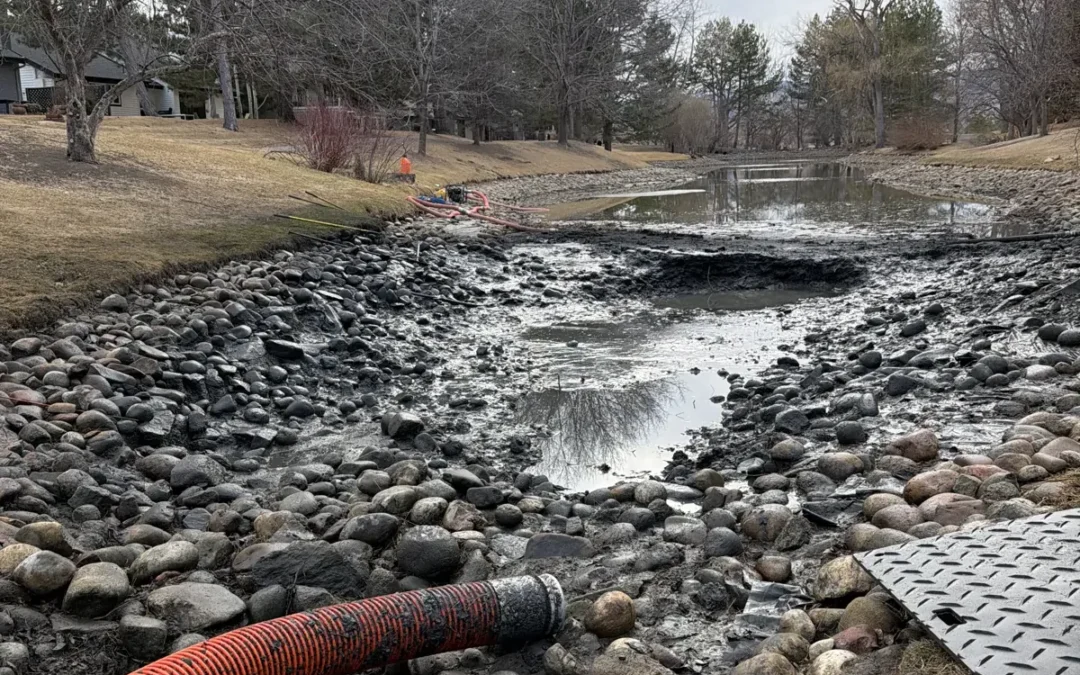
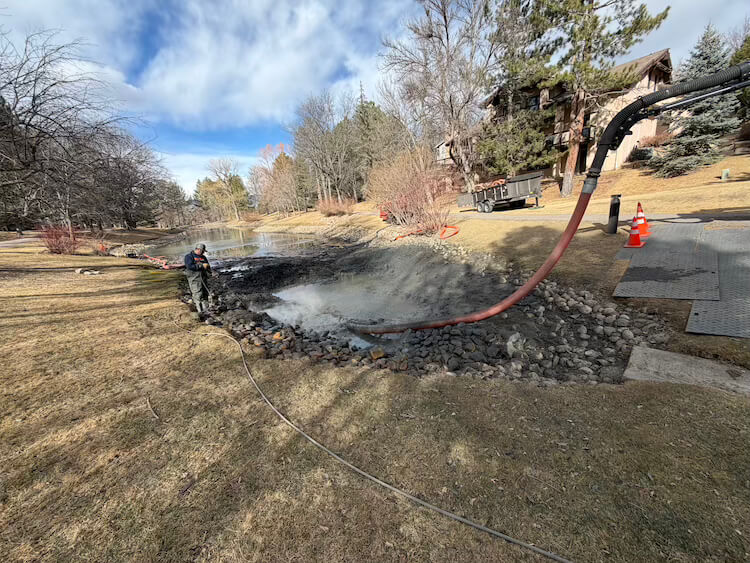
Professional cleanouts using vacuum trucks and specialized equipment help restore the pond’s original storage capacity.
Vegetation Management
Native vegetation can provide valuable environmental benefits, but invasive species and overgrowth should be controlled to maintain proper function.
Outlet Structure Maintenance
The structures that regulate water flow must remain clear and operational to prevent flooding and drainage failures.
Water Quality Improvements
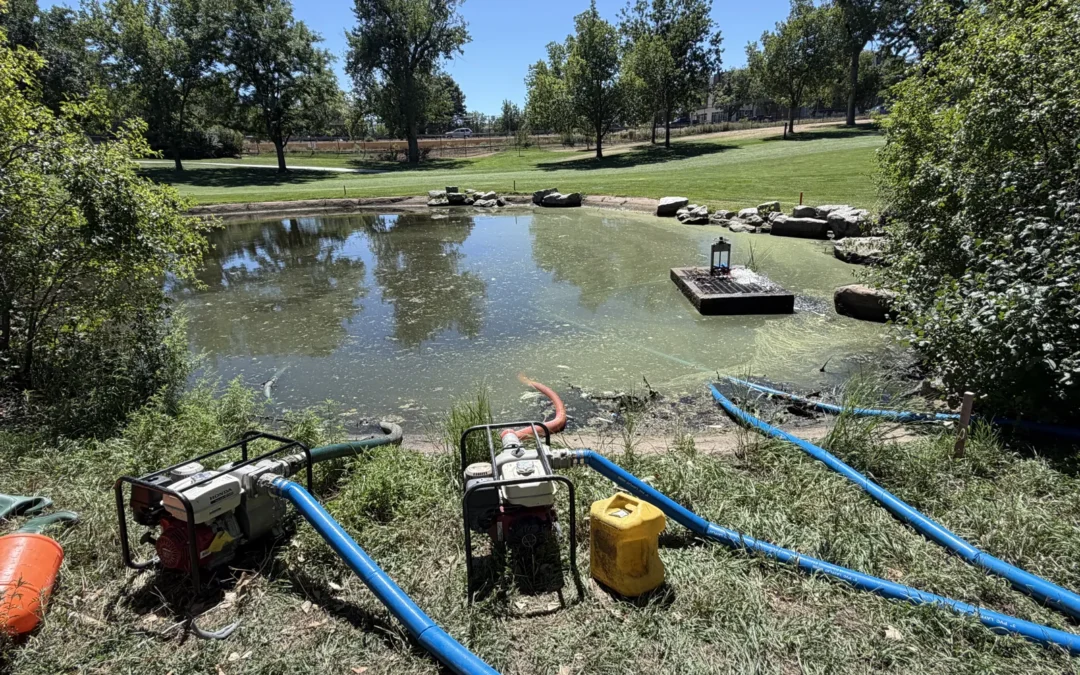
Addressing nutrient buildup, algae growth, and stagnant water conditions helps maintain both environmental performance and visual appeal.
Why Professional Pond Maintenance Matters
Many retention pond issues develop gradually and go unnoticed until a major storm exposes the problem. Professional maintenance providers can identify concerns before they become expensive repairs.
Experienced teams have the equipment needed to:
- Remove sediment safely
- Perform vacuum truck cleanouts
- Manage sludge and debris
- Restore pond capacity
- Maintain compliance with environmental regulations
For HOAs, municipalities, and commercial property owners, proactive maintenance often costs far less than emergency repairs or flood-related damage.
How Biolein Helps Keep Retention Ponds Functioning Properly
At Biolein, we specialize in retention pond and drainage basin maintenance throughout Colorado. Our team understands the challenges property owners face when managing stormwater infrastructure and works proactively to keep systems operating as designed.
Our services include:
- Retention pond cleanouts
- Sediment and sludge removal
- Inlet and outlet maintenance
- Stormwater system inspections
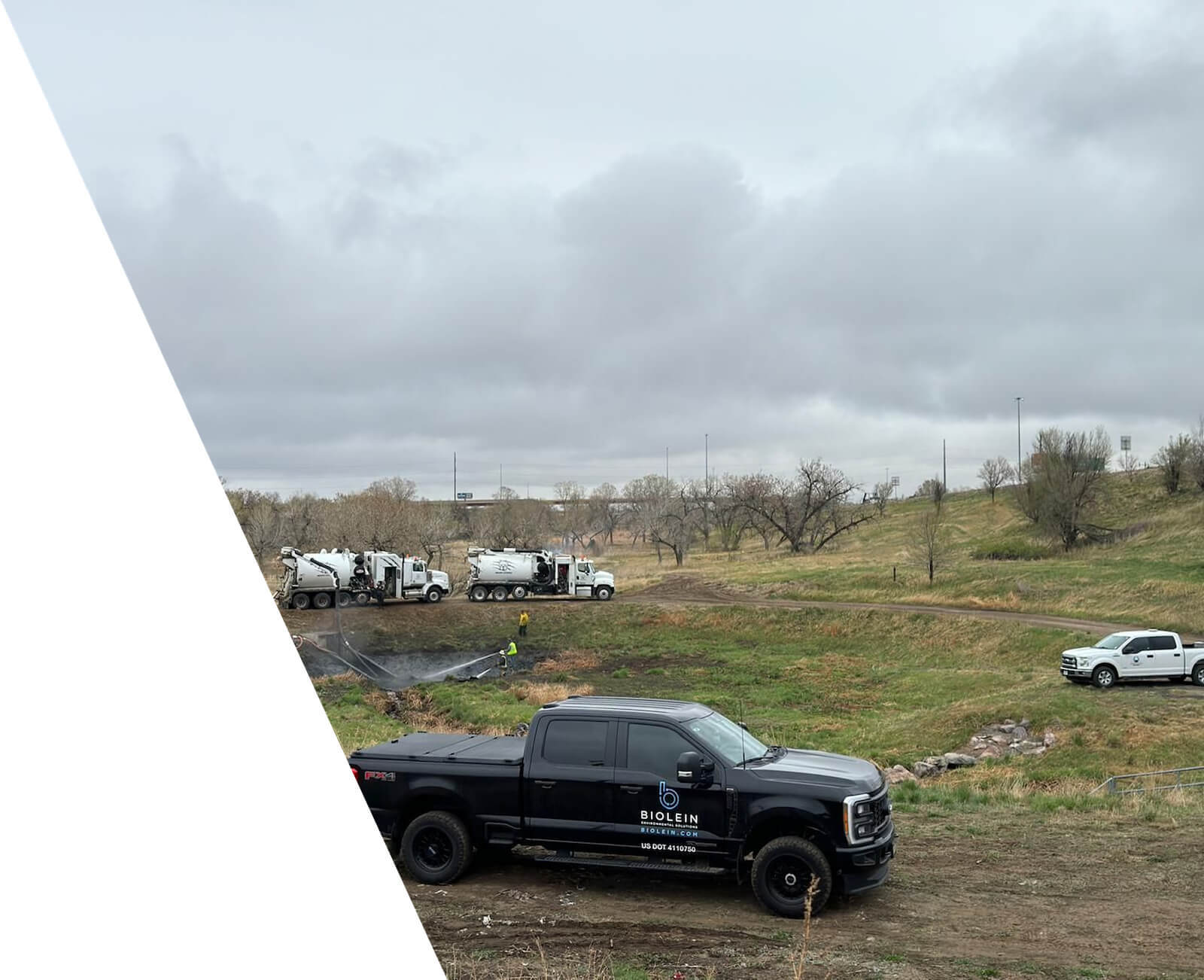
- Vacuum truck services
- Water quality improvement solutions
Whether you’re managing an HOA pond, commercial stormwater system, or municipal drainage infrastructure, we provide the expertise and equipment needed to protect your investment.
When It’s Time to Bring in a Professional
Retention ponds are far more than decorative water features. They play a critical role in flood prevention, stormwater management, and environmental protection throughout Colorado.
However, these systems only work when they are properly maintained. Understanding who is responsible for maintenance and taking a proactive approach to inspections and cleanouts can help prevent flooding, compliance issues, and costly repairs.
If your retention pond hasn’t been inspected recently, now is a great time to evaluate its condition and ensure it’s prepared for the next storm season.
Contact Biolein today to schedule a retention pond assessment and learn how our maintenance services can help protect your property, your community, and your stormwater infrastructure.

Biolein has become a trusted partner for hydrovac excavation, environmental waste management, environmental consultation for hazardous waste, and drainage solutions across Colorado and beyond. We’re not just an environmental services company in Denver — we’re the team you can count on to tackle the tough jobs and keep things running smoothly.