
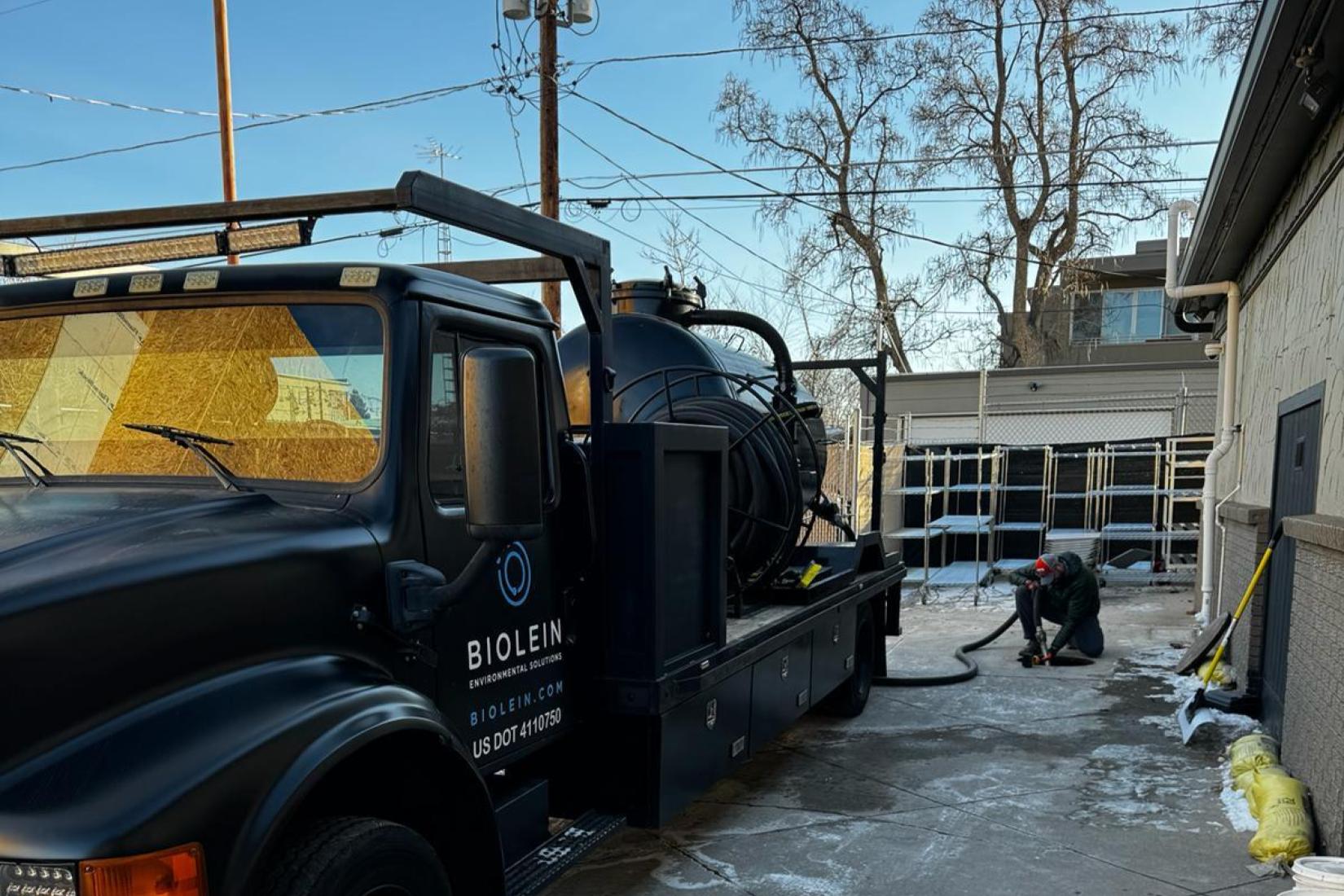
If you’re responsible for managing a Municipal Separate Storm Sewer System (MS4), you already know stormwater compliance is not a one-time task. It’s an ongoing operational responsibility. Between inspections, documentation, and maintenance requirements, MS4 permit holders face increasing pressure to prove that stormwater systems are being actively managed, not just monitored.
One of the most common breakdown points? Physical system maintenance: things like outfall cleaning, detention system cleanouts, and sewer-shed maintenance that fall behind schedule or become reactive instead of proactive.
This is where experienced vacuum truck services play a critical role in MS4 permit support and maintenance programs, especially when paired with a contractor who understands the language, intent, and real-world demands of MS4 compliance.
Understanding the Maintenance Side of MS4 Permits
At its core, an MS4 permit requires permittees to reduce pollutants in stormwater discharges to the maximum extent practicable. While plans, policies, and reporting matter, regulators ultimately expect to see system control measures implemented in the field.
This includes maintaining stormwater infrastructure, such as:
- Outfalls and discharge points
- Storm drains and conveyance piping
- Detention and retention basins
- Sewer-sheds and upstream collection systems
- Structural controls designed for sediment and pollutant capture
When these systems accumulate sediment, debris, or contaminated material, they stop functioning as designed, and that can place an MS4 permittee out of compliance.
Why Outfall Cleaning Is a Common MS4 Pain Point
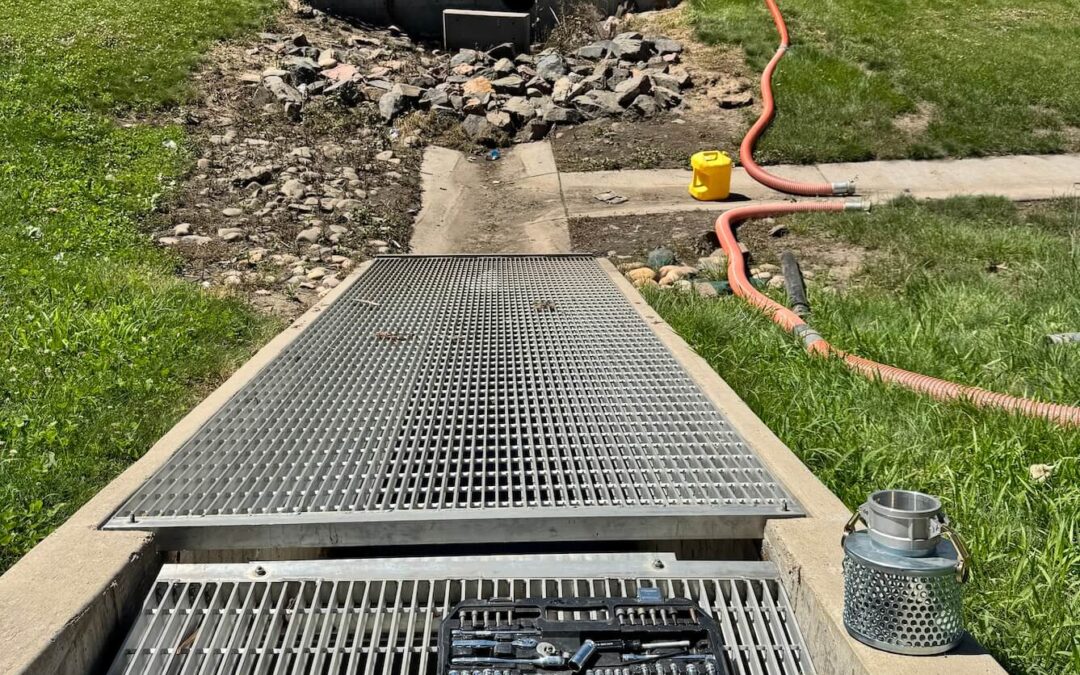
Outfall cleaning is one of the most overlooked but highly scrutinized components of MS4 programs. Outfalls are where stormwater leaves the system and enters receiving waters, making them a focal point during inspections.
Common outfall-related issues include:
- Sediment buildup reducing flow capacity
- Debris accumulation creating visible pollution
- Evidence of illicit discharges upstream
- Erosion caused by restricted or redirected flows
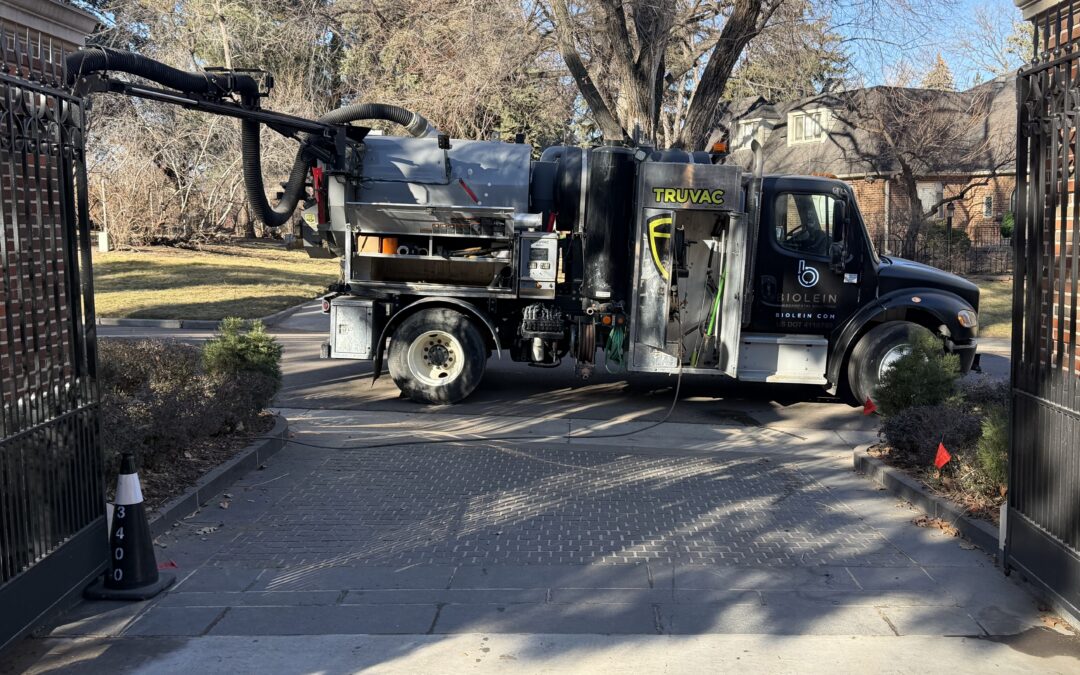
Vacuum truck services allow for targeted removal of sediment, debris, and standing water at outfalls without disturbing surrounding soils or vegetation. This makes them especially effective for routine outfall maintenance as well as corrective actions identified during inspections.
Sewer Water Detention Cleanouts and Sediment Control
Detention systems are designed to slow stormwater, allow sediment to settle, and reduce downstream impacts. Over time, however, these systems lose effectiveness as sediment accumulates.
Sewer water detention cleanouts are not just a best practice. They are often necessary to maintain the original design capacity and pollutant removal function of the system.
Vacuum trucks are well-suited for these cleanouts because they can:
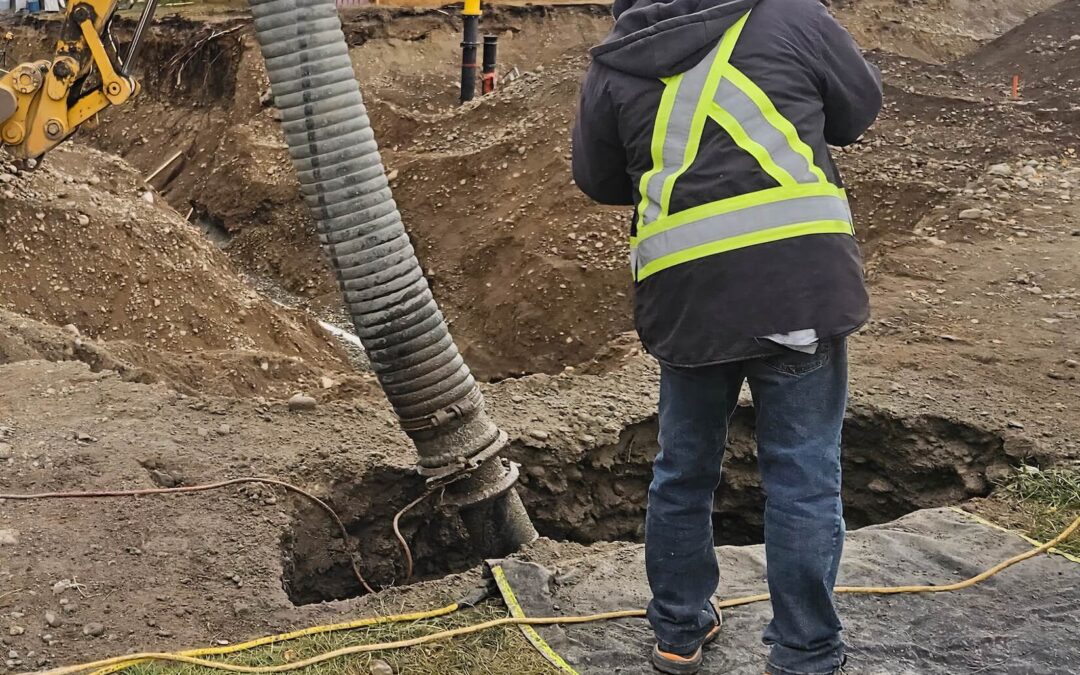
- Remove accumulated sediment without full excavation
- Access hard-to-reach or confined structures
- Extract both wet and semi-solid material
- Reduce disturbance to liners and embankments
For MS4 permit holders, regular detention cleanouts demonstrate active system control measures and reduce the risk of non-compliance related to poor system performance.
Source Control and Stormwater Detention Maintenance
Many MS4 permits emphasize source control, stormwater detention, and addressing pollutants as close to their origin as possible. This includes maintaining upstream structures that intercept sediment, trash, and debris before they reach outfalls.
Examples include:
- Forebays
- Sand traps
- Hydrodynamic separators
- Catch basins within a sewer-shed
Vacuum truck-based stormwater control system cleaning is one of the most efficient ways to maintain these structures. Instead of allowing pollutants to migrate downstream, targeted cleanouts help MS4 operators demonstrate proactive source control.
Sewer-Shed Cleaning as a Compliance Strategy
MS4 compliance isn’t just about individual structures. It’s about understanding and maintaining the entire sewer-shed.
Sewer-shed cleaning involves coordinated maintenance of storm drains, pipes, inlets, and upstream control measures within a defined drainage area. This approach allows permit holders to:
- Address pollutant accumulation holistically
- Identify recurring problem areas
- Prioritize maintenance based on risk and impact
- Support inspection findings with documented actions
Vacuum trucks are essential for sewer-shed cleaning programs because they can service multiple asset types efficiently without requiring extensive site disruption.
Supporting Dredge and Fill Projects Within MS4 Systems
Many MS4 permit holders also oversee or coordinate dredge and fill projects within stormwater systems, channels, or detention areas. These projects often require careful handling of sediment and strict environmental controls.
Vacuum trucks can support dredge and fill activities by:
- Removing fine sediment and residual material after mechanical dredging
- Managing water and slurry during confined cleanouts
- Supporting dewatering and sediment removal in sensitive areas
- Reducing the footprint of heavy equipment near waterways
When used strategically, vacuum truck services help ensure dredge and fill projects align with MS4 permit conditions and environmental protection goals.
Documentation, Inspections, and Demonstrating Compliance
One of the biggest challenges MS4 permit holders face is not performing maintenance. It’s proving it happened.
Working with a contractor that understands MS4 requirements helps ensure maintenance activities support compliance documentation, including:
- Dates and locations of cleanouts
- Types and volumes of material removed
- Identification of structural or flow issues
- Recommendations for future maintenance
This information can be invaluable during audits, inspections, or annual reporting and strengthens overall MS4 permit support and maintenance programs.
Why Vacuum Truck Services Are a Practical MS4 Tool
Vacuum trucks are not just a cleanup solution. They are a compliance tool when used correctly. Compared to traditional excavation or manual cleanouts, vacuum truck services offer:
- Precision removal with minimal environmental disturbance
- Reduced risk of erosion or downstream sediment release
- Faster mobilization for corrective actions
- Flexibility across multiple asset types
- Safer access to confined or difficult locations
For MS4 operators dealing with aging infrastructure, limited access, or tight inspection timelines, this flexibility matters.
How Biolein Supports MS4 Maintenance Programs
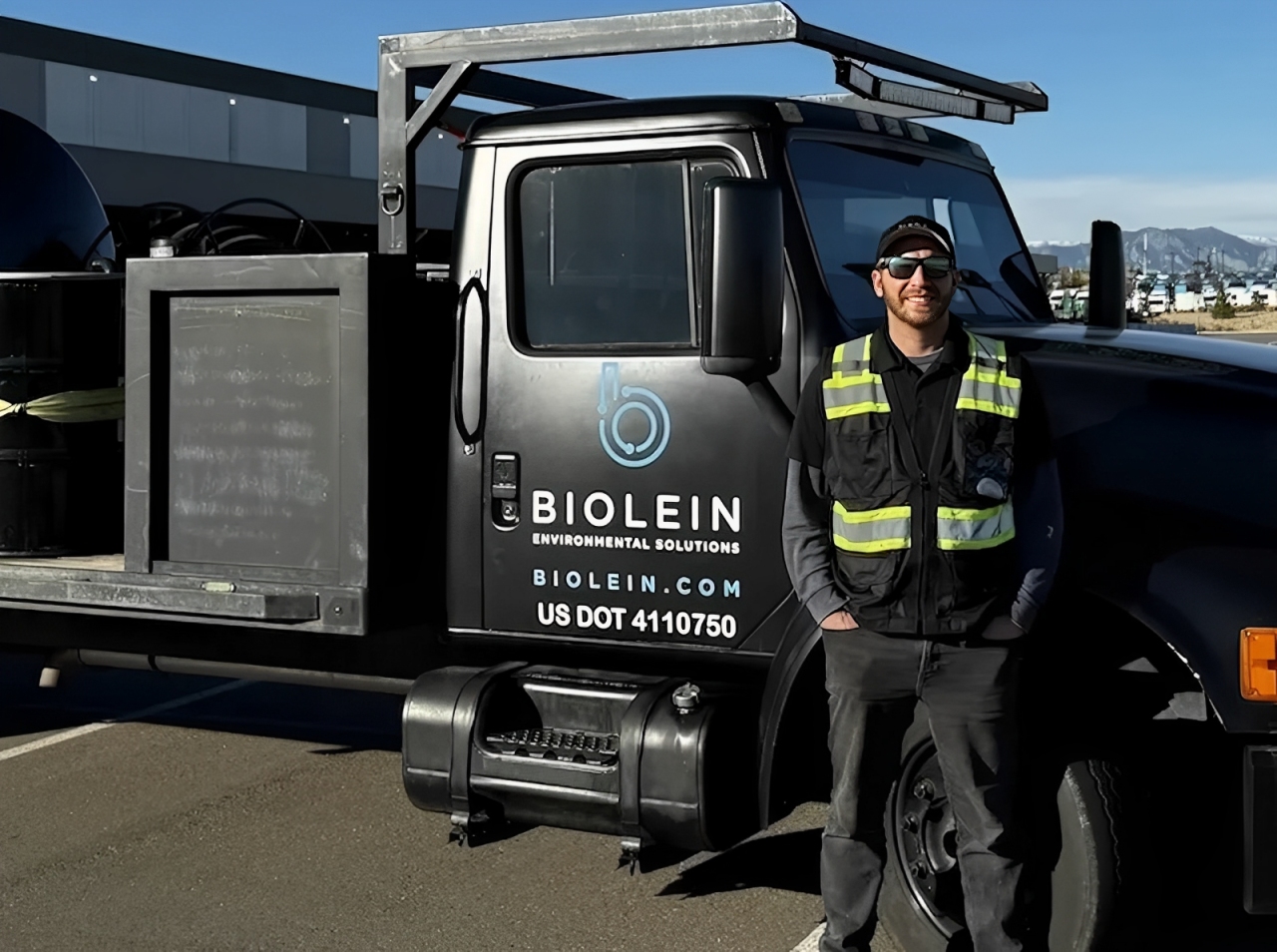
Biolein works with municipalities, HOAs, and property managers who are actively managing stormwater systems under MS4 permits. Our vacuum truck services are designed to support:
- Outfall cleaning and inspection follow-ups
- Sewer water detention cleanouts
- Source control stormwater detention maintenance
- Stormwater control system cleaning
- Sewer-shed cleaning initiatives
- Maintenance support for dredge and fill projects
Just as importantly, our team understands that MS4 compliance is about consistency, documentation, and performance over time, not one-off fixes.
Turning Maintenance Into MS4 Confidence
MS4 permits don’t just require plans on paper. They require systems that work in the field. When sediment builds up, flows are restricted, or outfalls show visible pollution, compliance risk increases quickly.
Proactive vacuum truck maintenance helps MS4 permit holders move from reactive cleanup to planned, defensible system control measures that stand up to inspection and protect receiving waters.
If your MS4 program is facing challenges with outfall maintenance, detention system performance, or sewer-shed cleaning, Biolein can help support your goals with experienced vacuum truck services and a compliance-minded approach.Contact us at Biolein to discuss MS4 permit support and stormwater maintenance solutions tailored to your system.
Storm drain cleaning and vacuum truck services: Learn more about Biolein’s storm drain cleaning and vacuum truck services.

Biolein has become a trusted partner for hydrovac excavation, environmental waste management, environmental consultation for hazardous waste, and drainage solutions across Colorado and beyond. We’re not just an environmental services company in Denver — we’re the team you can count on to tackle the tough jobs and keep things running smoothly.