
Many Colorado property owners rely on ponds, cisterns, and other stored water sources to irrigate gardens, maintain healthy lawns, or provide water for livestock. These systems can be valuable resources, especially during dry periods or in areas where conserving potable water is a priority.
However, water that sits for extended periods doesn’t remain unchanged. Over time, sediment, organic matter, algae, and naturally occurring bacteria can accumulate, affecting both water quality and the health of the system itself. While some changes are expected in any natural or stored water body, neglecting regular maintenance can reduce the usefulness of the water and create conditions that are less than ideal for irrigation or animal use.
Understanding what affects water quality, and when it’s time to test or clean your pond or cistern, can help protect your property and make the most of your available water resources.
Why Water Quality Changes Over Time
Even the cleanest pond or cistern is exposed to the environment.
Rainfall carries soil and organic material into ponds. Wind blows in leaves, grass clippings, and dust. Wildlife and surrounding vegetation contribute additional nutrients, while sediment gradually settles to the bottom.
Over months and years, these materials accumulate and can begin to influence water quality.
Common contributors include:
- Sediment from runoff
- Decaying leaves and plant material
- Nutrient buildup
- Algae growth
- Naturally occurring bacteria
- Organic debris
Without periodic maintenance, these changes can affect how well the water performs for irrigation, landscaping, and agricultural applications.
Sediment: More Than Just Mud
Sediment is one of the most common issues affecting ponds and cisterns.
Fine soil particles slowly settle over time, reducing storage capacity while creating a nutrient-rich layer along the bottom of the water body.
As sediment accumulates, it can:
- Reduce available water volume
- Increase water turbidity
- Support algae growth
- Make pumps work harder
- Reduce overall system efficiency
For natural ponds, excessive sediment can also reduce depth and alter the balance of the aquatic ecosystem.
Routine sediment removal helps maintain both water quality and storage capacity.
Algae Can Signal Nutrient Imbalances
Some algae are a natural part of healthy aquatic environments.
Problems develop when excess nutrients allow algae to grow rapidly, resulting in blooms that may cover large portions of the water surface.
Heavy algae growth can:
- Reduce water clarity
- Produce unpleasant odors
- Compete with beneficial aquatic plants
- Contribute additional organic material as algae die and decompose
When algae become a recurring issue, it’s often a sign that excess nutrients have accumulated within the pond or storage system.
Addressing the underlying causes, including sediment removal and improved maintenance, is generally more effective than simply treating visible algae.
Naturally Occurring Bacteria Also Play a Role
Bacteria are present in virtually every natural water source and play an important role in breaking down organic material.
However, when excessive organic debris accumulates, bacterial activity increases as decomposition accelerates.
This process can contribute to:
- Cloudy water
- Odors
- Reduced dissolved oxygen
- Additional nutrient release into the water
Because bacterial populations and water quality can vary considerably between properties, laboratory water testing is often the best way to understand the condition of your water source before relying on it for irrigation or livestock.
Why Water Quality Matters for Gardens, Lawns, and Livestock
The quality of stored water affects more than appearance.
For gardens and lawns, excessive sediment can clog irrigation equipment, while elevated nutrient levels may contribute to inconsistent plant growth or undesirable algae in irrigation systems.
For livestock, maintaining clean water sources supports overall herd management and helps reduce the accumulation of debris that animals may encounter when drinking.
Rather than making assumptions based on appearance alone, periodic testing provides valuable information about the condition of the water and whether maintenance or treatment may be beneficial.
Standing Water Also Attracts Mosquitoes
Poorly maintained ponds, cisterns, stock tanks, and other water storage systems may also create favorable mosquito breeding conditions.
According to Colorado State University, any farm water that stands for more than one week has the potential to become a mosquito breeding site.
CSU Extension also notes that permanent standing water, such as fish ponds or stock tanks, can be treated using floating Bacillus thuringiensis israelensis (Bti) larvicide briquets, which target mosquito larvae while having minimal impact on fish, wildlife, and other beneficial organisms when used according to label directions.
While mosquito control products can be an important part of water management, they should complement, not replace, good maintenance practices that reduce excess organic buildup and improve overall water quality.
The Importance of Water Testing
Water that appears clear isn’t necessarily free from issues, while cloudy water doesn’t always indicate a serious problem.
Testing provides objective information about water quality and can help identify concerns before they affect irrigation systems, landscaping, or livestock operations.
Depending on how the water is being used, testing may evaluate factors such as:
- Nutrient levels
- pH
- Dissolved solids
- Bacterial indicators
- Mineral content
- Other water quality characteristics
Routine testing also establishes a baseline, making it easier to identify changes over time.
Professional Cleaning Helps Restore Water Quality
Testing identifies potential issues, but maintenance often addresses the underlying causes.
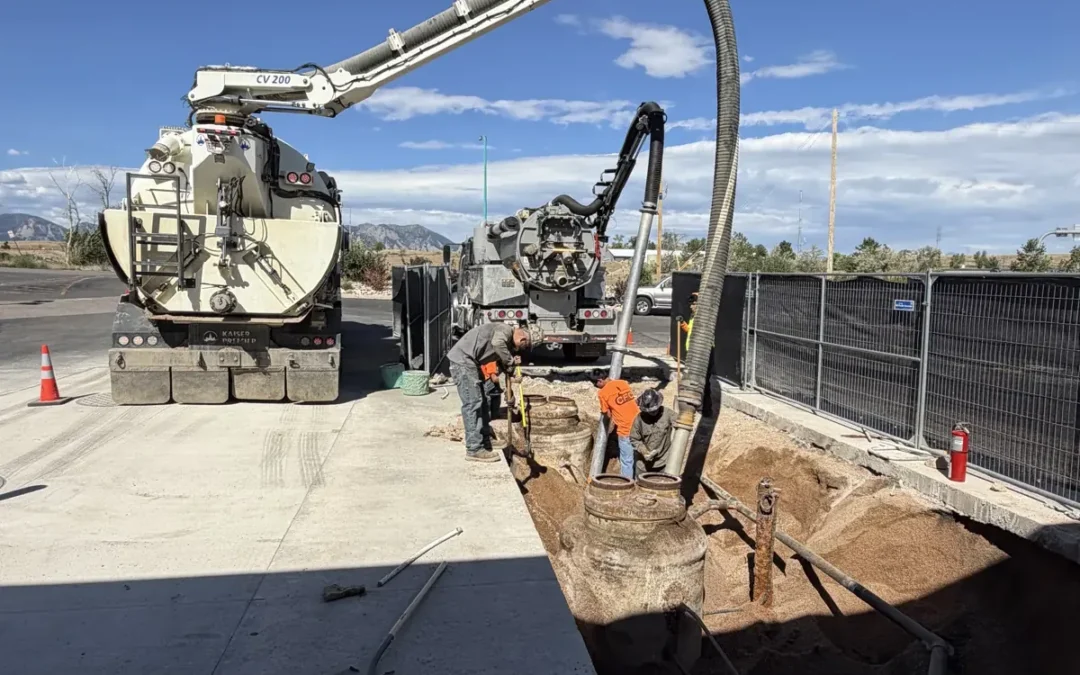
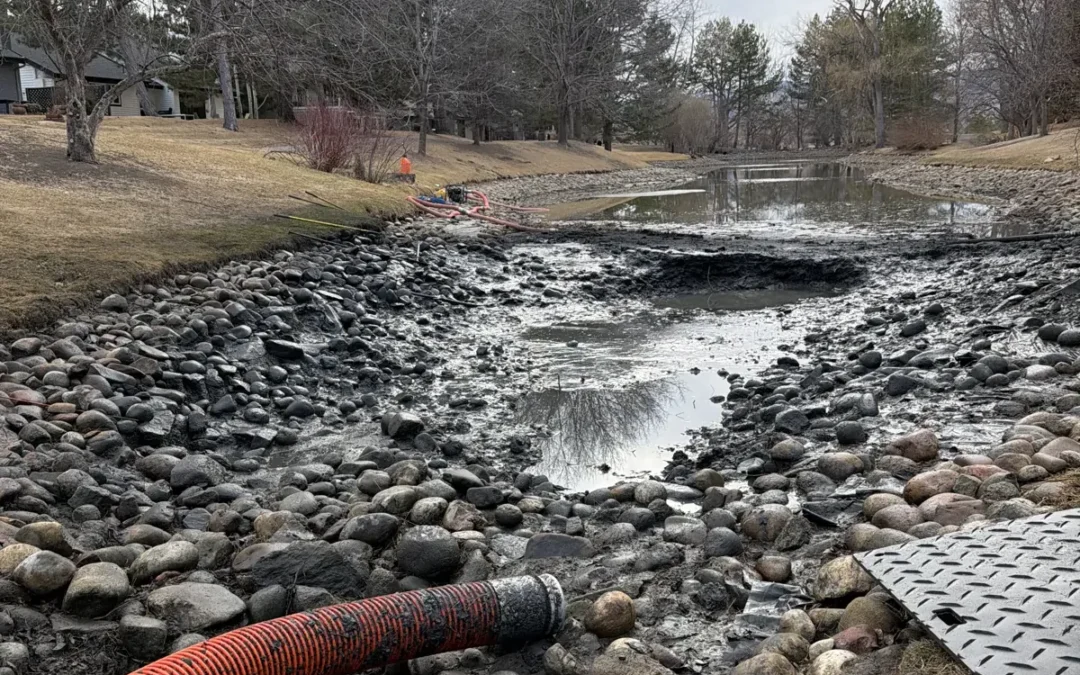
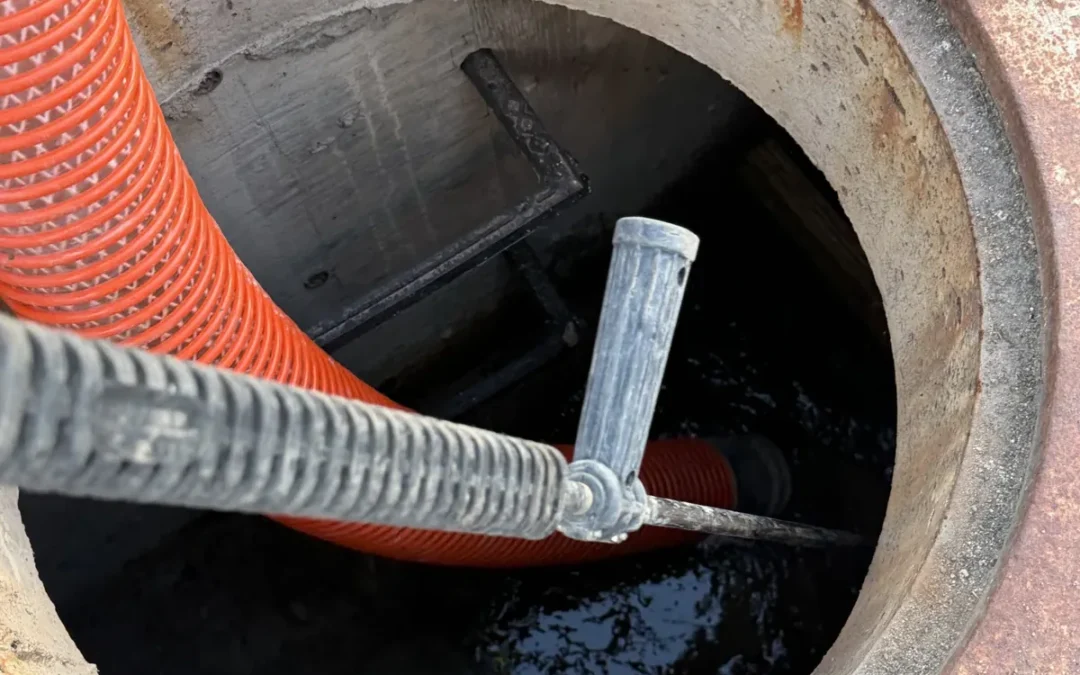
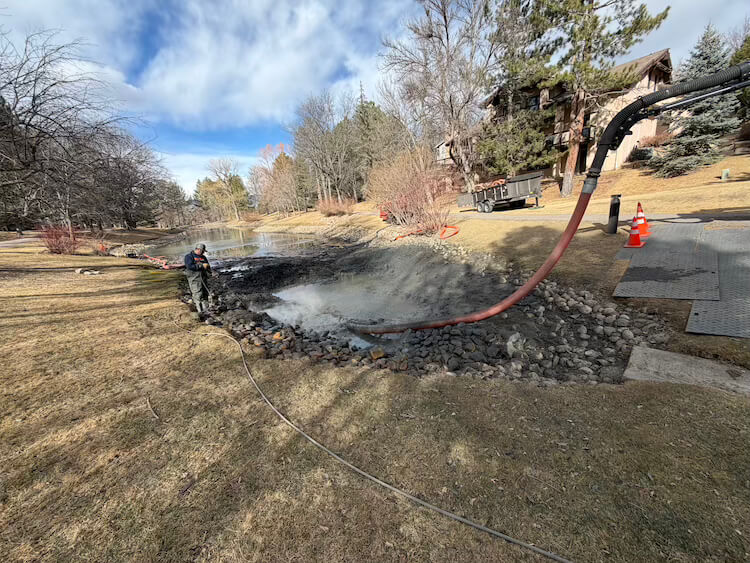
Professional pond and cistern cleaning can remove accumulated sediment, organic debris, and other materials that contribute to declining water quality.
Depending on the application, maintenance may include:
- Sediment removal
- Hydro excavation
- Suction dredging for natural ponds
- Debris removal
- Basin cleanouts
- Cistern cleaning
- Water storage inspections
By removing years of accumulated material, property owners can restore storage capacity, improve circulation, and support healthier long-term water quality.
A Proactive Approach Protects Your Investment
Ponds and cisterns represent valuable assets for many Colorado properties. Like any infrastructure, they perform best when they receive regular attention rather than waiting until significant problems develop.
Scheduling periodic inspections, testing water quality, monitoring algae growth, and removing accumulated sediment can help extend the life of these systems while supporting their intended use for irrigation, landscaping, or agricultural operations.
Keep Your Water Working for You
Whether you rely on a natural pond to irrigate landscaping or a cistern to supplement your property’s water supply, maintaining good water quality is essential for long-term performance.
At Biolein, we help property owners, agricultural operations, HOAs, and municipalities evaluate and maintain natural ponds, cisterns, and water storage systems through professional inspections, sediment removal, hydro excavation, and environmental maintenance services. If you’ve noticed increasing sediment, recurring algae, or declining water quality, our team can help determine the right solution to restore your system and keep it functioning efficiently.
Frequently Asked Questions
How often should a pond or cistern be cleaned?
The ideal maintenance schedule depends on factors such as surrounding vegetation, runoff, sediment accumulation, and how the water is used. Periodic inspections can help determine when cleaning is appropriate.
Is clear water always safe to use?
Not necessarily. Water appearance alone cannot determine overall quality. Laboratory testing provides a more complete picture of water conditions.
Why does sediment build up over time?
Sediment enters ponds and cisterns through runoff, wind, organic debris, and natural erosion. Over time, these materials settle to the bottom and gradually reduce storage capacity.
Can algae indicate a larger problem?
Yes. While some algae are normal, recurring blooms often indicate excess nutrients or accumulated organic material within the water body.
Why should water be tested before using it for irrigation or livestock?
Testing helps identify changes in water quality, nutrient levels, mineral content, and other characteristics that may influence how well the water performs for its intended use. Combined with regular maintenance, testing supports healthier, more reliable water systems.

Biolein has become a trusted partner for hydrovac excavation, environmental waste management, environmental consultation for hazardous waste, and drainage solutions across Colorado and beyond. We’re not just an environmental services company in Denver — we’re the team you can count on to tackle the tough jobs and keep things running smoothly.