
When most people think of a vacuum truck, they picture a large vehicle removing standing water or cleaning out a septic tank. While those are certainly common applications, modern industrial vacuum trucks are capable of much more. Today’s vacuum trucks are among the most versatile pieces of equipment in the environmental services industry, handling everything from liquid waste removal and stormwater maintenance to dry material recovery and industrial cleanup.
Whether you’re managing a manufacturing facility, overseeing municipal infrastructure, or coordinating a construction project, understanding the capabilities of industrial vacuum trucks can help you identify efficient solutions for waste removal, maintenance, and environmental compliance.
Let’s take a closer look at how industrial vacuum trucks work and the wide range of services they provide.
What Is an Industrial Vacuum Truck?
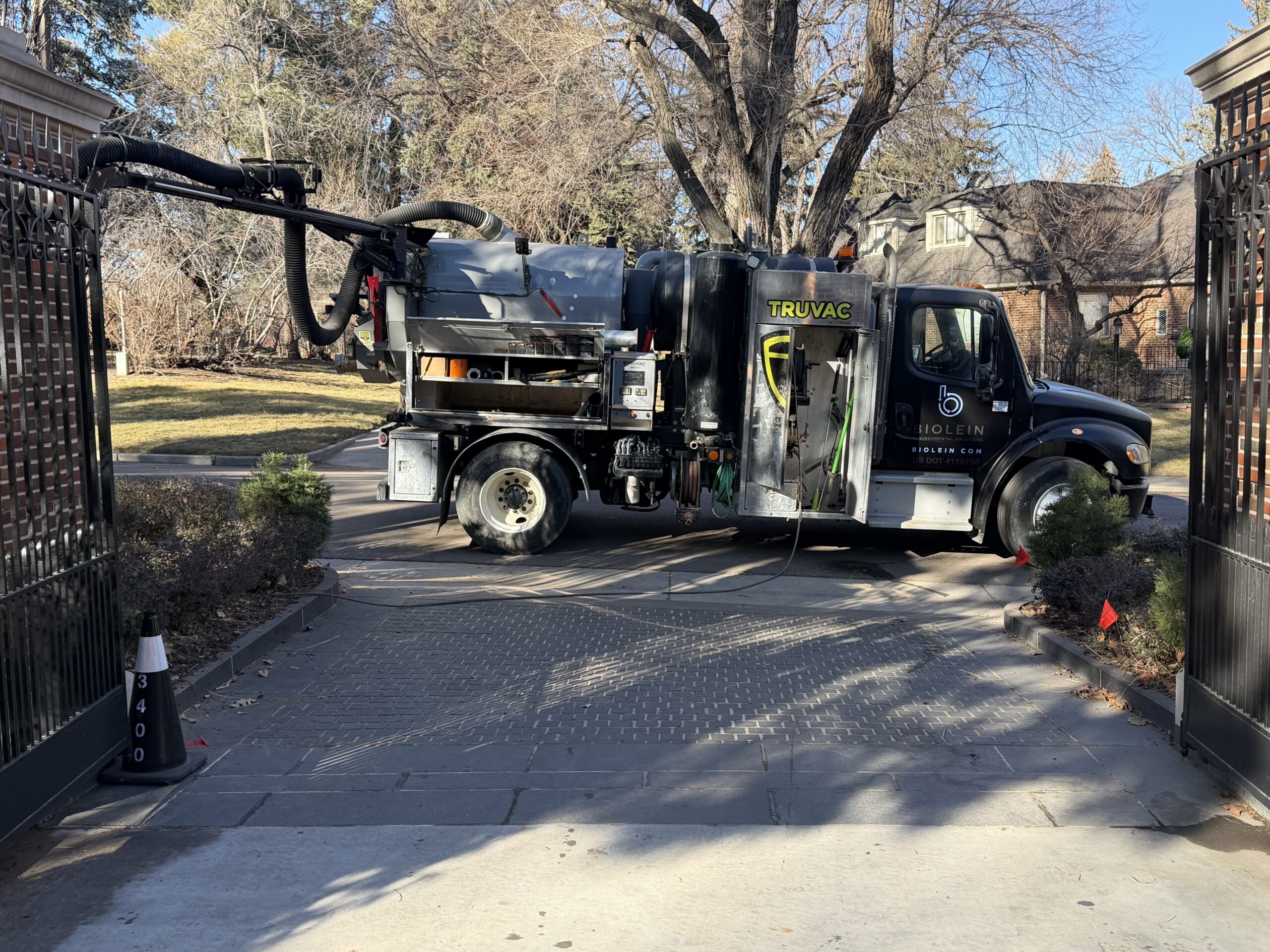
An industrial vacuum truck is a specialized vehicle equipped with powerful vacuum systems designed to collect, transport, and dispose of liquids, sludge, solids, and other materials.
Using high-powered blowers and sealed storage tanks, these trucks can remove material from locations that would otherwise be difficult, dangerous, or labor-intensive to clean manually.
Depending on the equipment configuration, industrial vacuum trucks can perform:
- Wet vacuuming
- Dry vacuuming
- Sludge removal
- Material transfer
- Tank cleaning
- Stormwater system maintenance
- Spill response
- Environmental remediation
Their versatility makes them an essential tool across multiple industries.
Understanding Wet Vacuuming
Wet vacuuming is one of the most common applications for industrial vacuum trucks. As the name suggests, wet vacuuming focuses on removing liquids and semi-liquid materials.
This process uses powerful suction to collect liquids directly into a sealed tank for transportation and disposal.
Common Wet Vacuuming Applications
Industrial facilities often rely on wet vacuuming for:
- Wastewater removal
- Sump pit cleaning
- Process water recovery
- Tank cleaning
- Oil-water separator maintenance
Municipalities and property managers frequently use wet vacuuming services for:
- Storm drain cleaning
- Catch basin maintenance
- Retention pond cleanouts
- Culvert clearing
- Flood response
Because the material is immediately contained within the truck’s storage tank, wet vacuuming minimizes environmental risks and helps maintain regulatory compliance.
Sludge Removal: The Space Between Wet and Dry
Many industrial cleaning projects involve materials that aren’t fully liquid or fully solid. These semi-solid materials are commonly referred to as sludge.
Sludge can accumulate in:
- Industrial tanks
- Retention ponds
- Wastewater treatment systems
- Sand traps
- Interceptors
- Settling basins
Removing sludge requires specialized vacuum equipment capable of handling thick, dense materials.
Industrial vacuum trucks excel in this area because they can remove sludge without extensive excavation or manual labor. In many cases, a vacuum truck can restore capacity to a system in a fraction of the time required by traditional cleaning methods.
What Is Dry Vacuuming?
Dry vacuuming focuses on collecting solid materials rather than liquids.
Using powerful airflow, dry vacuum trucks can remove:
- Dust
- Sand
- Gravel
- Powdered materials
- Dry industrial waste
- Construction debris
- Fly ash
- Aggregate materials
This capability is particularly valuable in manufacturing environments where dry material accumulation can interfere with operations or create safety concerns.
Unlike conventional cleanup methods, dry vacuuming allows materials to be collected quickly and efficiently while minimizing airborne dust.
Common Industrial Dry Vacuuming Applications
Dry vacuum trucks are frequently used in:
Manufacturing Facilities
Many production environments generate fine materials that accumulate around equipment, conveyors, and processing systems. Vacuum trucks provide a safe method for removing these materials without shutting down operations for extended periods.
Cement and Aggregate Operations
Dry vacuum systems are ideal for recovering spilled materials and cleaning silos, hoppers, and processing equipment.
Utility and Energy Facilities
Power plants and utility operations often use vacuum trucks for ash removal, dust control, and equipment cleaning.
Construction Sites
Vacuum trucks can remove dry debris, sand, and spoil material from work areas quickly and efficiently.
Hydro Excavation: Combining Water and Vacuum Technology
One of the most advanced uses of industrial vacuum trucks is hydrovac excavation.
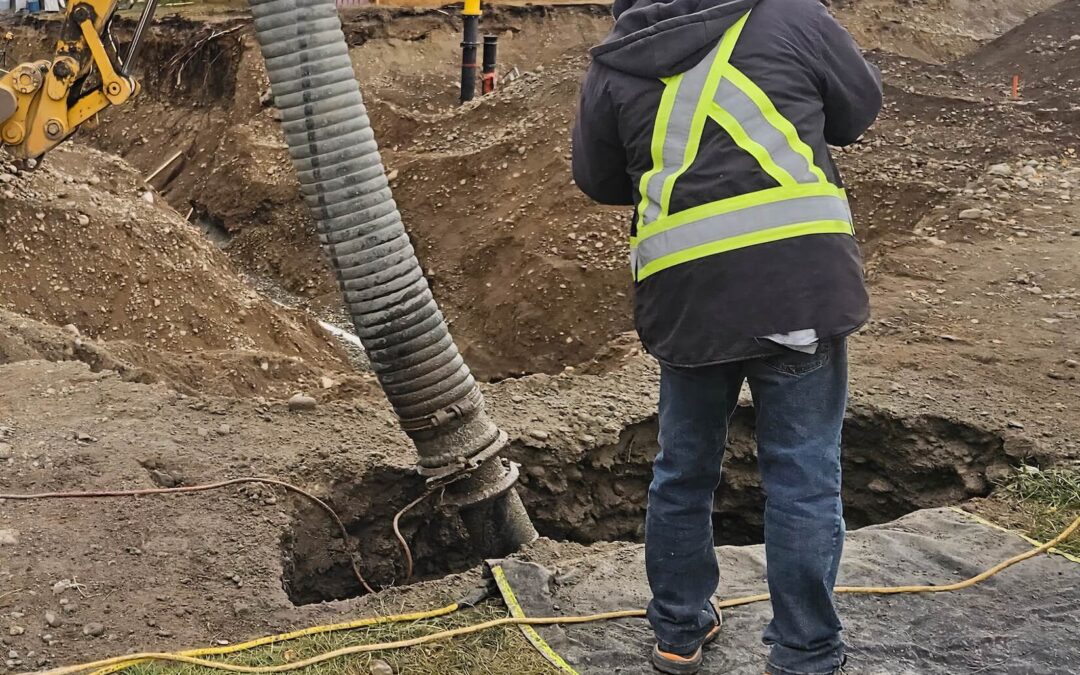
Hydrovac excavation combines high-pressure water with vacuum technology to safely remove soil around underground infrastructure.
The process works by:
- Using pressurized water to break up soil.
- Vacuuming the resulting slurry into a debris tank.
- Exposing utilities without damaging them.
This method has become the preferred excavation technique for:
- Utility daylighting
- Potholing
- Slot trenching
- Pipeline exposure
- Fiber optic installation
- Cold-weather excavation
Hydrovac excavation demonstrates how vacuum trucks can perform far more than waste removal. They can also support precision construction and infrastructure projects.
Environmental Response and Spill Cleanup
Industrial vacuum trucks are often among the first pieces of equipment deployed during environmental emergencies.
When spills occur, rapid response is critical to prevent contamination from spreading.
Vacuum trucks can assist with:
- Fuel spill cleanup
- Chemical spill containment
- Contaminated water recovery
- Stormwater contamination response
- Hazardous material recovery
Because materials are immediately contained within sealed tanks, vacuum trucks help minimize environmental impacts while supporting regulatory compliance.
Stormwater and Drainage System Maintenance
Stormwater infrastructure is another area where industrial vacuum trucks provide significant value. Over time, drainage systems collect sediment, trash, organic debris, sand, oils, and pollutants. Without maintenance, these materials can restrict flow and increase flooding risks. The American Society of Civil Engineers (ASCE) estimates that aging stormwater infrastructure contributes to billions of dollars in flood-related damages each year across the United States.
Vacuum trucks are commonly used for:
- Catch basin cleaning
- Storm drain cleaning
- Outfall maintenance
- Culvert clearing
- Retention pond cleanouts
- Detention basin maintenance
These services are especially important for municipalities, HOAs, commercial property owners, and facilities operating under MS4 stormwater permits.
Why Industrial Vacuum Trucks Are So Effective
The versatility of industrial vacuum trucks comes from their ability to handle a wide range of materials without requiring multiple pieces of equipment.
Key advantages include:
Efficiency
Large-capacity tanks and powerful vacuum systems allow crews to remove significant volumes of material quickly.
Safety
Vacuum systems reduce the need for manual entry into confined spaces and minimize worker exposure to hazardous materials.
Environmental Protection
Collected materials remain contained throughout the process, reducing the risk of spills or contamination.
Reduced Downtime
Industrial cleaning and maintenance tasks can often be completed faster than traditional methods, minimizing disruptions to operations.
Choosing the Right Vacuum Truck Service
Not all vacuum trucks are configured the same way. Selecting the right equipment depends on factors such as:
- Material type
- Moisture content
- Volume of material
- Access limitations
- Disposal requirements
An experienced vacuum truck provider can evaluate the project and determine the most efficient solution.
For example, a retention pond cleanout may require heavy sludge-removal capabilities, while a manufacturing facility may benefit from specialized dry vacuum services.
How Biolein Supports Industrial Vacuum Truck Projects
At Biolein, our industrial vacuum truck services are designed to support a wide variety of environmental, municipal, industrial, and construction applications.
Our capabilities include:
- Wet vacuuming and liquid waste removal
- Dry vacuuming and debris recovery
- Sludge removal
- Stormwater infrastructure cleaning
- Retention pond maintenance
- Hydrovac excavation
- Emergency spill response
- Industrial tank and pit cleaning
With advanced equipment, experienced operators, and a commitment to environmental compliance, we help clients solve complex cleanup and maintenance challenges safely and efficiently.
The Right Equipment for Complex Industrial Challenges
Industrial vacuum trucks are far more versatile than many people realize. From wet vacuuming and sludge removal to dry material recovery and hydrovac excavation, these powerful machines play a critical role in keeping infrastructure, facilities, and environmental systems operating smoothly.
Whether you’re managing a stormwater system, cleaning an industrial tank, responding to a spill, or planning an excavation project, vacuum truck technology offers a safe, efficient, and environmentally responsible solution.
Contact Biolein today to learn how our industrial vacuum truck services can support your next project and keep your operations running at their best.

Biolein has become a trusted partner for hydrovac excavation, environmental waste management, environmental consultation for hazardous waste, and drainage solutions across Colorado and beyond. We’re not just an environmental services company in Denver — we’re the team you can count on to tackle the tough jobs and keep things running smoothly.