
When excavation needs to happen around buried utilities, pipelines, or sensitive infrastructure, traditional digging methods often introduce unnecessary risk. Mechanical excavation with backhoes or trenchers can damage underground utilities, disrupt surrounding soil, and lead to costly delays.
That’s why many contractors, municipalities, and environmental service providers rely on non-destructive excavation methods like hydrovac trucks and air excavation. Both technologies are designed to safely expose underground infrastructure while minimizing damage and disruption.
However, while the two methods share a similar goal, they operate very differently, and one is often far more practical depending on the conditions. Understanding the differences between hydrovac vs. air excavation can help project managers choose the safest and most efficient approach for their site.
What Is Hydrovac Excavation?
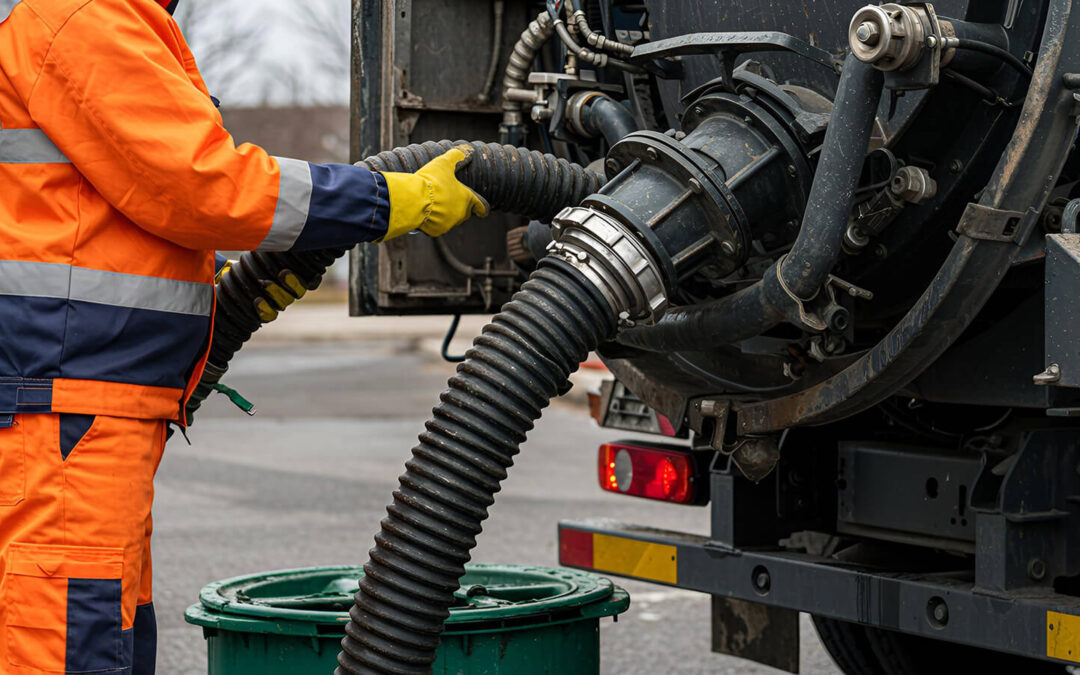
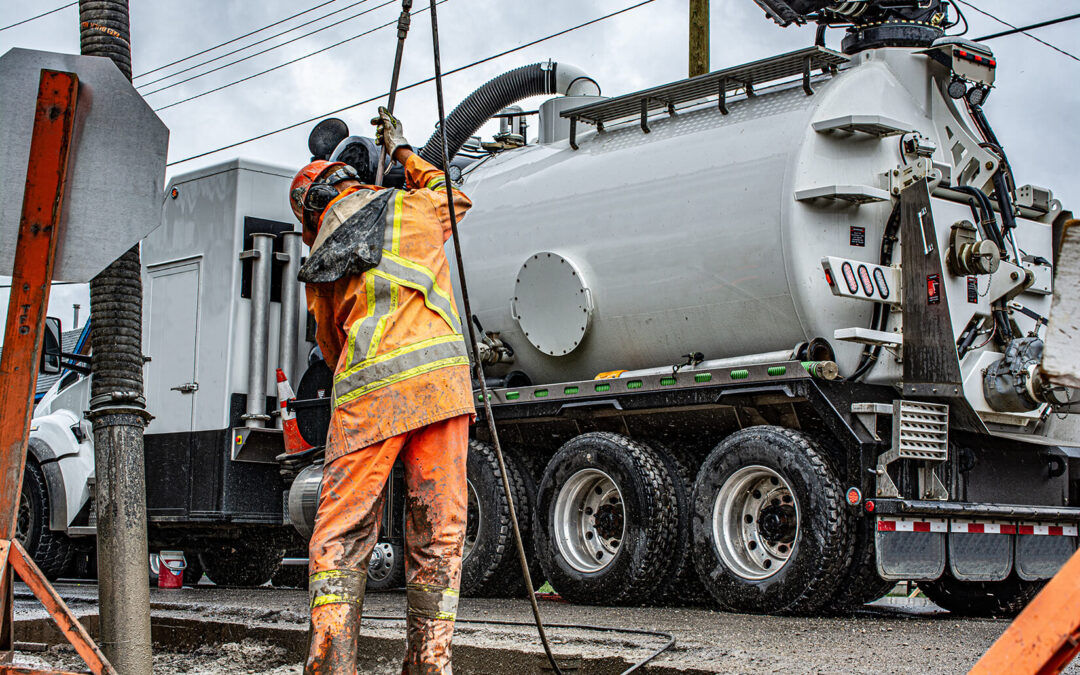
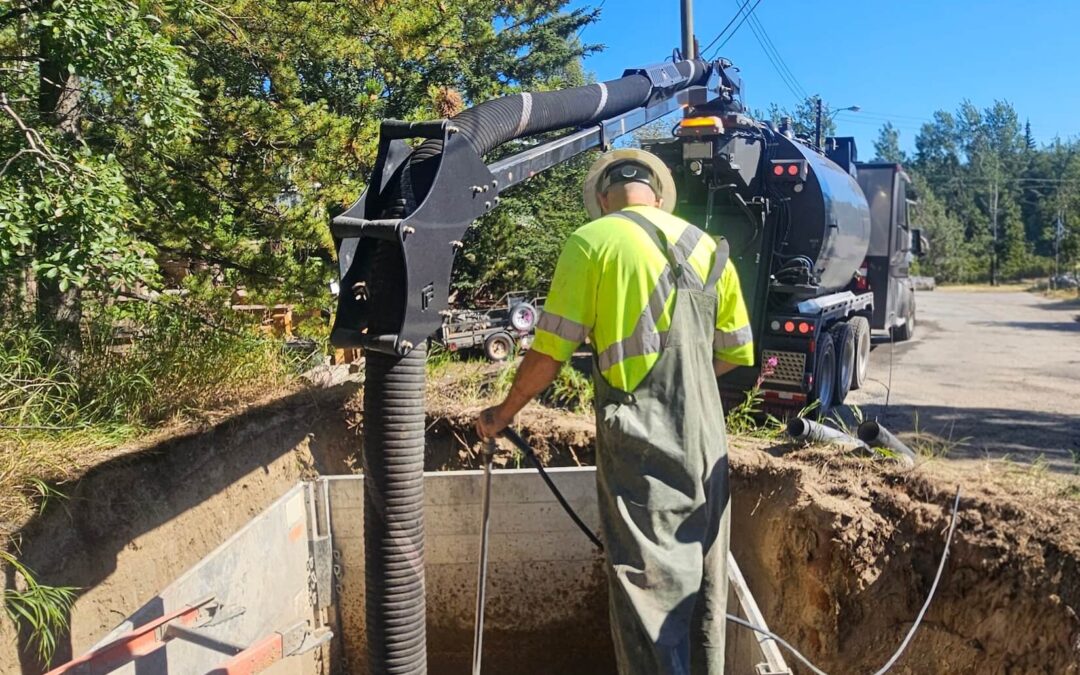
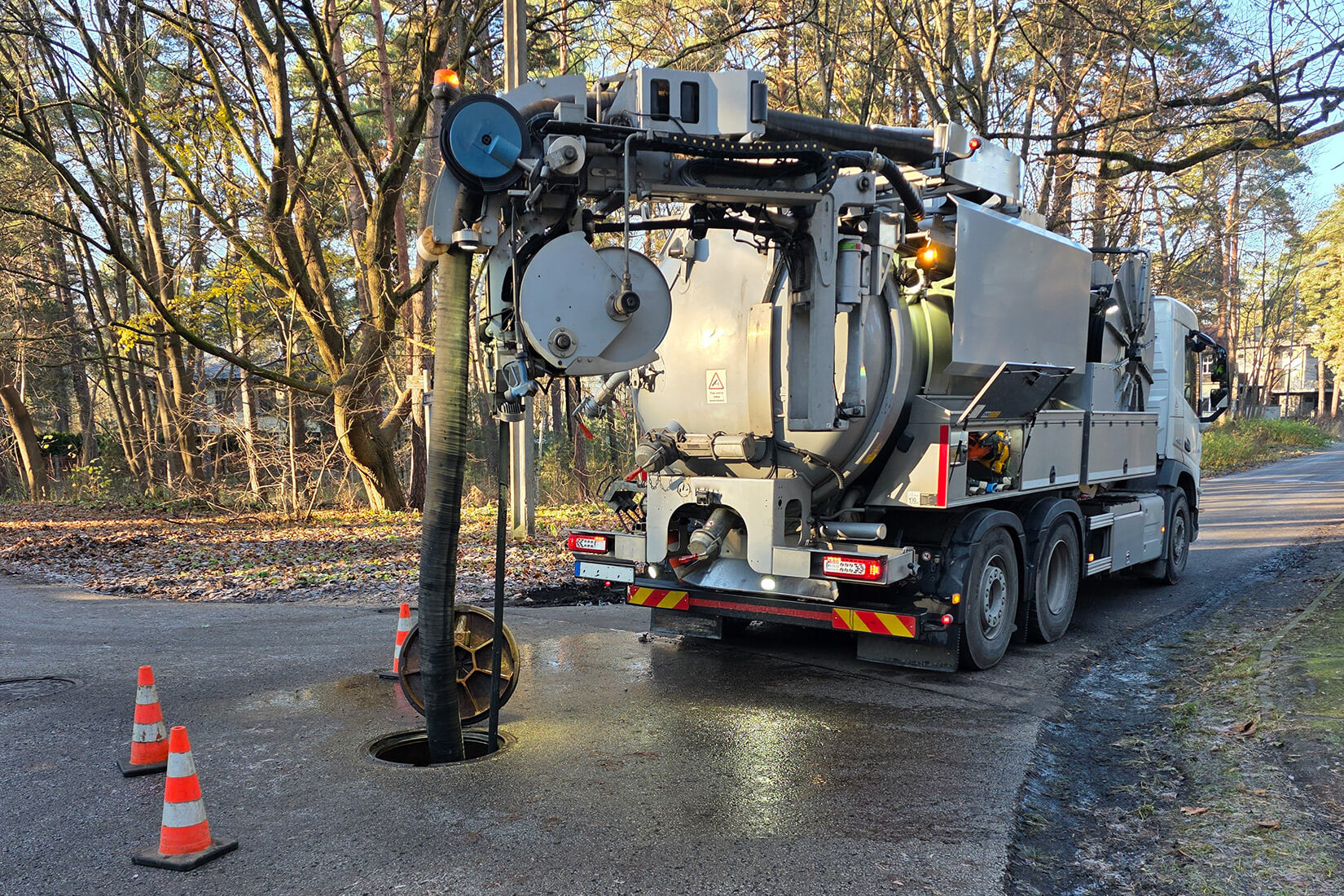
Hydrovac excavation, also called hydro excavation, uses a combination of high-pressure water and a powerful vacuum system to break up and remove soil. Heated or pressurized water loosens the ground, creating a slurry that is then vacuumed into a debris tank mounted on the hydrovac truck.
This process allows operators to dig with precision while keeping the surrounding soil intact and avoiding damage to underground utilities.
Hydrovac excavation has become one of the most widely used excavation methods for:
- Utility daylighting and potholing
- Stormwater system maintenance
- Trenching for pipelines and conduits
- Drainage infrastructure cleaning
- Environmental remediation and sediment removal
Because the excavated material is immediately vacuumed into a sealed tank, the site remains clean and controlled throughout the process.
What Is Air Excavation?
Air excavation uses compressed air instead of water to loosen soil. A specialized air lance or air knife blasts high-pressure air into the ground, breaking apart soil particles so they can be vacuumed away.
This process is sometimes referred to as pneumatic excavation.
Air excavation is typically used when working with dry soil conditions or when introducing water to the excavation area is undesirable. The air pressure fractures the soil, allowing operators to expose utilities without using metal digging tools.
Air excavation is commonly used for:
- Utility locating and daylighting
- Arborist work around tree roots
- Certain pipeline inspections
- Dry material removal in industrial settings
While it can be effective in specific environments, air excavation has several limitations that make it less practical in many field conditions.
Key Differences Between Hydrovac and Air Excavation
Although both techniques are considered non-destructive excavation methods, the way they interact with soil and the surrounding environment differs significantly.
Soil Conditions
One of the biggest factors when choosing between hydrovac and air excavation is soil type and moisture content.
Air excavation performs best in dry, loose soils where compressed air can easily separate particles. In dense, clay-heavy, or compacted soils — common across much of Colorado — the air often struggles to break through effectively.
Hydrovac excavation, on the other hand, works well in a much wider range of soil conditions. High-pressure water can penetrate compacted clay, rocky soils, and even frozen ground.
This versatility makes hydrovac excavation far more reliable across changing site conditions.
Performance in Frozen Ground
Colorado winters create some of the toughest excavation conditions in the country. Frozen soil can quickly stop traditional excavation equipment, and air excavation typically struggles in these situations.
Hydrovac trucks often include heated water systems, allowing crews to melt through frozen layers and excavate safely even during the coldest months.
For winter work, hydrovac excavation is often the only practical solution.
Dust and Airborne Debris
Air excavation can generate significant amounts of dust and airborne particles as compressed air breaks apart the soil. In dry environments or urban settings, this can create visibility issues and environmental concerns.
Hydrovac excavation avoids this problem by binding soil particles with water, preventing dust from spreading and keeping the jobsite cleaner.
This makes hydrovac excavation especially valuable in urban areas, industrial facilities, and environmentally sensitive sites.
Material Removal and Cleanup
With hydrovac excavation, soil and debris are immediately collected into a sealed debris tank. The material can then be transported to an approved disposal or treatment facility.
Air excavation, while capable of vacuuming loosened soil, often produces lighter debris that spreads across the work area before being collected.
Hydrovac excavation, therefore, offers a cleaner overall process with better containment of excavated materials.
Environmental Considerations
Both methods aim to minimize disturbance compared to mechanical excavation, but hydrovac excavation often provides stronger environmental protection.
Because the soil is removed as slurry and contained within the truck’s tank, there is less risk of sediment spreading into stormwater systems or nearby waterways.
This containment can be particularly important for projects tied to stormwater management systems, environmental remediation, or MS4 compliance requirements.
When Air Excavation May Be the Right Choice
Despite its limitations, air excavation can still be useful in specific situations.
Projects involving extremely dry soils or sensitive root systems may benefit from air excavation because it avoids introducing water into the environment. Arborists, for example, sometimes use air excavation to expose tree roots without saturating the surrounding soil.
Air excavation can also be effective when removing dry materials from industrial systems or tanks where moisture would create complications.
However, these scenarios tend to represent specialized use cases rather than the majority of excavation needs.
Why Hydrovac Excavation Is Often the Preferred Solution
For most excavation projects, especially in environments like Colorado, hydrovac excavation provides greater flexibility, efficiency, and reliability.
Hydrovac excavation offers several key advantages:
- Works effectively in compacted, clay, or frozen soil
- Reduces dust and airborne debris
- Provides better containment of excavated materials
- Supports environmental compliance and stormwater protection
- Enables year-round excavation operations
Because of these benefits, hydrovac excavation has become the preferred non-destructive digging method for utilities, municipalities, environmental contractors, and construction firms.
Hydrovac Excavation in Colorado
Colorado’s unique conditions — dense soils, seasonal freezing, and rapidly growing infrastructure — make hydrovac excavation particularly valuable.
From the Front Range to mountain communities, hydrovac trucks are used for:
- Utility daylighting in crowded urban corridors
- Stormwater infrastructure maintenance
- Culvert and drainage system cleaning
- Environmental cleanup and sediment removal
- Industrial excavation around sensitive equipment
These projects often require a level of precision and adaptability that mechanical excavation and air excavation simply can’t match.
How Biolein Supports Safe, Non-Destructive Excavation
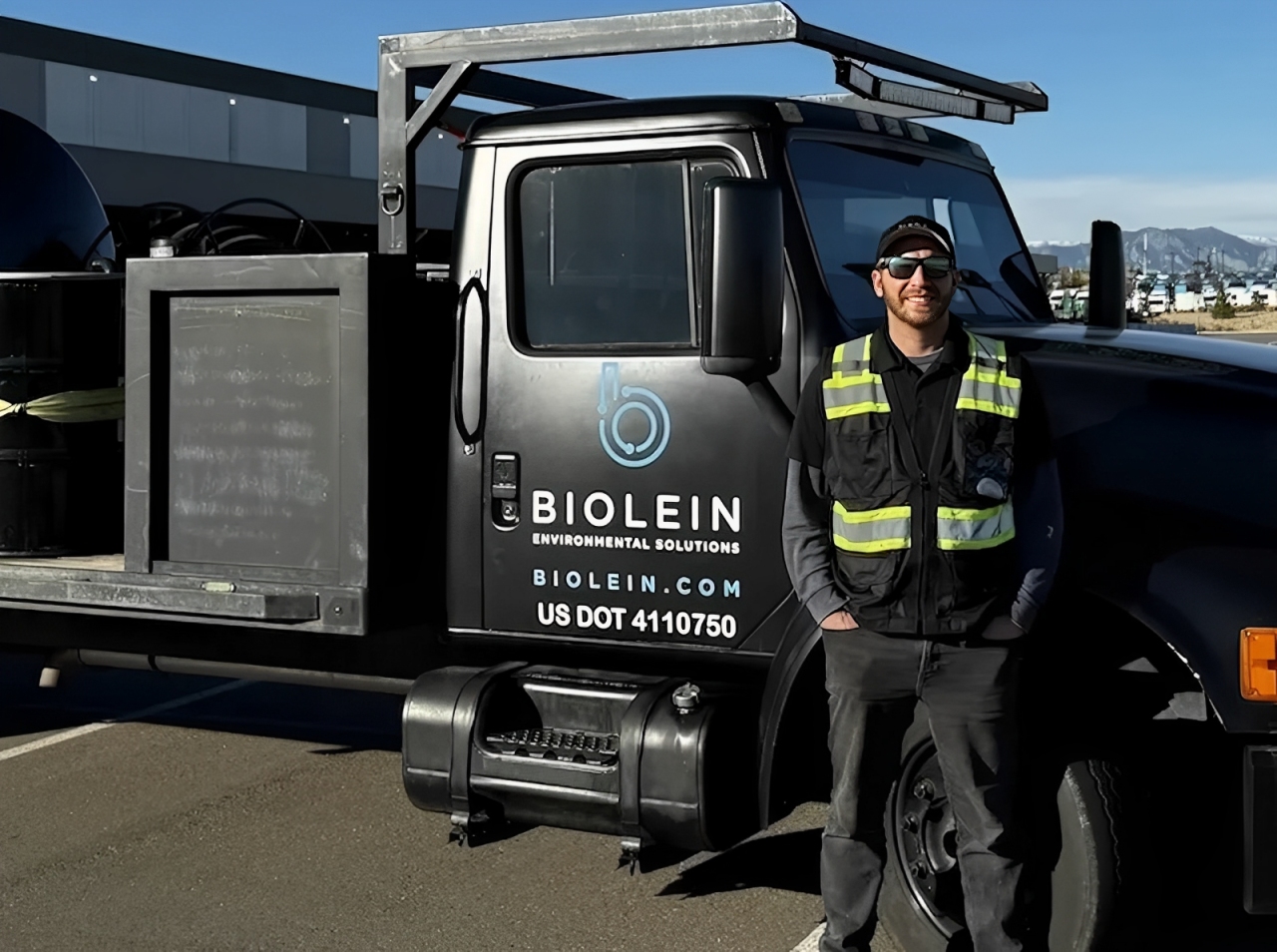
At Biolein, hydrovac excavation is a core part of how we deliver safe and environmentally responsible excavation services. Our hydrovac equipment allows us to perform precision digging around utilities, drainage systems, and environmental infrastructure without the risks associated with traditional excavation.
Whether the project involves stormwater maintenance, industrial services, environmental cleanup, or utility exposure, our team approaches every excavation with a focus on safety, efficiency, and minimal environmental impact.
For organizations that need safe, efficient, and environmentally responsible excavation, hydrovac remains the clear choice. Contact us today to learn more,
Hydrovac excavation services: Learn more about our Denver hydrovac and vacuum truck services.

Biolein has become a trusted partner for hydrovac excavation, environmental waste management, environmental consultation for hazardous waste, and drainage solutions across Colorado and beyond. We’re not just an environmental services company in Denver — we’re the team you can count on to tackle the tough jobs and keep things running smoothly.