
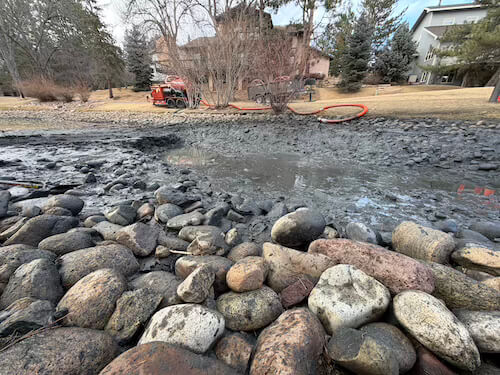
Natural ponds are constantly changing. Every rainstorm, every fallen leaf, and every season adds a little more sediment to the bottom. Over time, that gradual accumulation can reduce water depth, fuel algae growth, degrade water quality, and diminish the ecological and recreational value of the pond.
Fortunately, restoring a pond doesn’t always require draining it or disrupting the ecosystem. Modern hydro excavation and suction dredging techniques allow property owners and land managers to remove years of accumulated sediment while the pond remains in place, preserving aquatic life and minimizing environmental disturbance.
Whether you manage a private lake, HOA waterbody, municipal pond, or agricultural pond in Colorado, understanding how hydro excavation works can help you make informed decisions about long-term pond health.
Why Natural Ponds Gradually Lose Depth
Every natural pond collects sediment. This process is completely normal, but it becomes problematic when sediment accumulates faster than it can naturally decompose.
Common sources of sediment include:
- Soil carried in by stormwater runoff
- Leaves, grass, and organic debris
- Algae and aquatic vegetation that die and settle
- Fine particles from surrounding landscapes
- Nutrient-rich organic material
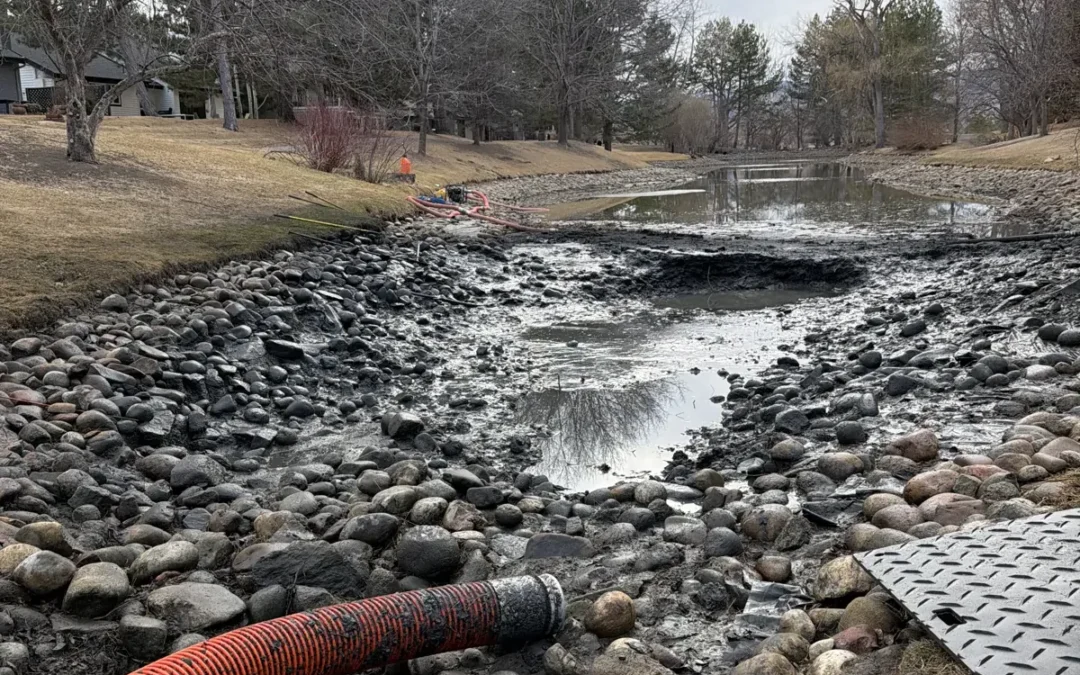
Over several years, this material forms a layer of soft muck along the pond bottom. As the layer grows thicker, the pond becomes progressively shallower.
Reduced depth changes how the pond functions, often leading to warmer water temperatures, lower oxygen levels, increased aquatic weed growth, and recurring algae blooms.
Why Pond Depth Matters
Depth plays an important role in maintaining a healthy aquatic ecosystem.
Deeper water remains cooler during Colorado’s hot summers, providing better habitat for fish and beneficial aquatic organisms. Greater water volume also helps buffer temperature swings, slows excessive plant growth, and improves overall water quality.
When ponds become shallow due to sediment buildup, problems often begin to appear, including:
- Excessive algae growth
- Murky water
- Foul odors
- Reduced fish habitat
- Increased mosquito activity
- Poor stormwater storage capacity
These symptoms often indicate that the pond has accumulated enough sediment to benefit from professional dredging.
Traditional Pond Dredging Isn’t Always the Best Option
Historically, restoring pond depth often meant draining the pond completely before excavating accumulated sediment with heavy equipment.
While effective in some situations, draining a pond presents several challenges:
- Fish and aquatic life must be relocated or may be lost.
- Wetland vegetation may be damaged.
- Pond liners or shorelines can be disturbed.
- Projects often require extensive restoration afterward.
- The pond may be unavailable for weeks or even months.
For many natural waterbodies, these disruptions simply aren’t necessary.
How Hydro Excavation and Suction Dredging Work
Modern hydro excavation and suction dredging offer a far less invasive approach.
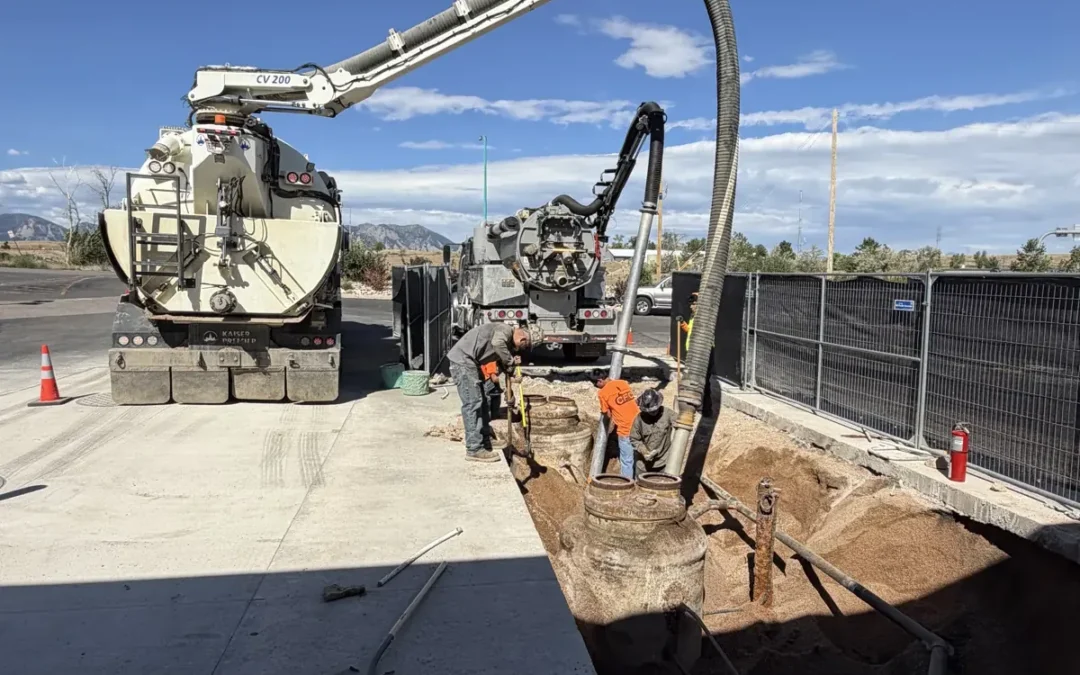
Rather than draining the pond, operators use specialized equipment to loosen accumulated sediment with controlled water flow while powerful vacuum systems remove the material from the pond bottom.
The process generally follows several steps:
First, crews evaluate sediment depth and identify priority areas for removal.
Next, hydro excavation equipment gently agitates compacted muck without disturbing the surrounding ecosystem.
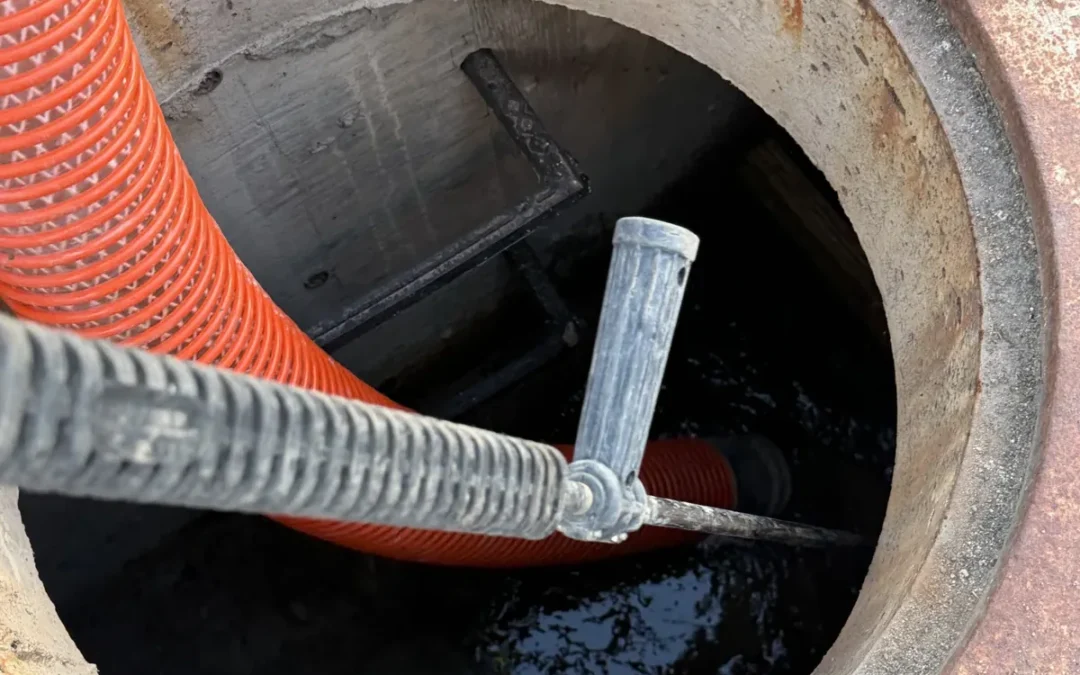
The loosened material is then removed using powerful suction systems and transported to a designated dewatering area.
Once excess water drains from the recovered sediment, the remaining material can be evaluated for appropriate reuse or disposal.
Because the pond remains full during much of the process, disruption to aquatic habitat is significantly reduced compared to conventional excavation.
Protecting Fish and Aquatic Life
One of the biggest advantages of hydro excavation is its ability to preserve the existing ecosystem.
Instead of completely draining the pond, work can often be completed in carefully planned sections.
This approach helps:
- Maintain water levels
- Reduce stress on fish populations
- Preserve beneficial aquatic vegetation where appropriate
- Minimize shoreline disturbance
- Protect wildlife habitat
While every project is unique, hydro excavation is generally considered one of the least disruptive methods for removing accumulated sediment from natural ponds.
Improving Water Quality
Removing nutrient-rich muck doesn’t just restore depth—it also improves overall pond health.
Organic sediment acts like a storage reservoir for nutrients such as nitrogen and phosphorus. As this material decomposes, nutrients are continually released back into the water column, feeding algae and unwanted aquatic vegetation.
Removing years of accumulated sediment can help:
- Reduce available nutrients
- Improve water clarity
- Increase dissolved oxygen
- Reduce unpleasant odors
- Slow future algae blooms
- Restore healthier aquatic conditions
While no single maintenance practice eliminates algae forever, sediment removal addresses one of its primary long-term fuel sources.
Dredged Sediment Can Become a Valuable Resource
Many people assume dredged sediment automatically becomes waste.
In reality, after proper dewatering and evaluation, nutrient-rich pond sediment can often become a useful resource.
Research continues to demonstrate the agricultural value of many natural sediments.
A study of Lake Mustijärvi published in Science of the Total Environment and reported by Science/AAAS found that grass grown in dredged lake sediment absorbed 40% more nitrogen than grass grown in conventional growing media.
Additional research published through Springer reports that sediment from U.S. waterways averages approximately 1,550 milligrams of nitrogen per kilogram and 950 milligrams of phosphorus per kilogram, highlighting why properly managed dredged sediment can serve as a beneficial soil amendment.
Depending on project conditions and regulatory requirements, dewatered sediment may be suitable for beneficial reuse in applications such as:
- Lawn improvements
- Landscape beds
- Garden soil amendments
- Land reclamation
- Other approved beneficial use projects
Rather than sending every load to a landfill, responsible reuse can support sustainability while reducing disposal costs.
When Is the Best Time for Pond Dredging in Colorado?
Late summer through fall is often considered an excellent time for dredging many Colorado ponds because water levels are generally more predictable, and wildlife activity is often reduced.
However, scheduling depends on several factors, including:
- Fish spawning seasons
- Water levels
- Weather
- Site access
- Permit requirements
- Project goals
An experienced contractor can help determine the best timing for your specific pond.
Signs Your Pond May Need Dredging
Natural ponds don’t become unhealthy overnight. Instead, they gradually show signs that sediment has reached problematic levels.
Indicators include:
- Noticeably shallower water than in previous years
- Persistent algae blooms
- Thick organic muck on the pond bottom
- Increasing aquatic weed growth
- Reduced water clarity
- Foul odors
- Fish habitat declining
- Stormwater storage capacity decreasing
If several of these symptoms are present, a professional pond assessment may help determine whether dredging is appropriate.
Why Choose Biolein for Pond Restoration?
At Biolein, we understand that every natural pond functions differently. Our team approaches each dredging project with an emphasis on protecting aquatic ecosystems while restoring long-term function.
Using advanced hydro excavation and vacuum technology, we help property owners, HOAs, municipalities, and land managers remove accumulated sediment with minimal disruption to surrounding habitats.
From initial assessments to sediment removal and responsible material management, our goal is to restore healthier, deeper ponds that continue serving their environmental and functional purpose for years to come.
Restore Your Pond Without Draining It
If your natural pond has become shallow, cloudy, or overrun with algae, accumulated sediment may be the underlying cause. Hydro excavation and suction dredging provide an efficient, environmentally responsible way to restore depth, improve water quality, and extend the life of your pond, without the disruption of draining it first.
Contact Biolein today to schedule a pond assessment and learn how professional hydro excavation can help restore the health and function of your natural waterbody.
Frequently Asked Questions
What is suction dredging?
Suction dredging uses specialized pumps and vacuum equipment to remove accumulated sediment from the bottom of a pond while minimizing disturbance to the surrounding environment.
Does the pond have to be drained before dredging?
In many cases, no. Hydro excavation and suction dredging can remove sediment while the pond remains full, significantly reducing impacts on aquatic life compared to traditional dry excavation.
What types of ponds can benefit from hydro excavation?
Hydro excavation is best suited for natural ponds and waterbodies experiencing sediment accumulation. The appropriate method should always be determined after evaluating the site’s conditions and environmental requirements.
How often should a pond be dredged?
There is no universal schedule. Depending on watershed conditions, surrounding land use, and sediment loads, many natural ponds benefit from periodic evaluations every few years to determine whether dredging is necessary.
Can dredged sediment be reused?
Often, yes. After proper dewatering and evaluation, nutrient-rich sediment may be suitable for beneficial uses such as soil amendment, landscaping, or land restoration, depending on regulatory requirements and sediment quality.
How do I know if my pond needs dredging?
Persistent algae blooms, excessive muck, shallow water, reduced storage capacity, declining water quality, and increased aquatic weed growth are all common indicators that sediment accumulation may be affecting pond performance.

Biolein has become a trusted partner for hydrovac excavation, environmental waste management, environmental consultation for hazardous waste, and drainage solutions across Colorado and beyond. We’re not just an environmental services company in Denver — we’re the team you can count on to tackle the tough jobs and keep things running smoothly.