
When planning an excavation project in Denver, one of the biggest decisions contractors face is which method to use. On the surface, traditional mechanical excavation using backhoes, trenchers, or excavators is often the more cost-effective option. But when you look beyond the initial price tag, the picture becomes much more complex.
Hydrovac excavation, while sometimes perceived as a premium service, can actually deliver lower total project costs when you factor in safety, efficiency, restoration, and risk.
For contractors working across Colorado’s challenging conditions, understanding the true cost comparison between hydrovac and mechanical excavation is key to protecting both budgets and timelines.
Understanding the Two Methods
Before comparing costs, it’s important to understand how each method works.
Mechanical excavation uses heavy equipment to dig and remove soil. It’s fast for large, open areas but relies on force, which can lead to imprecision, especially around underground utilities.
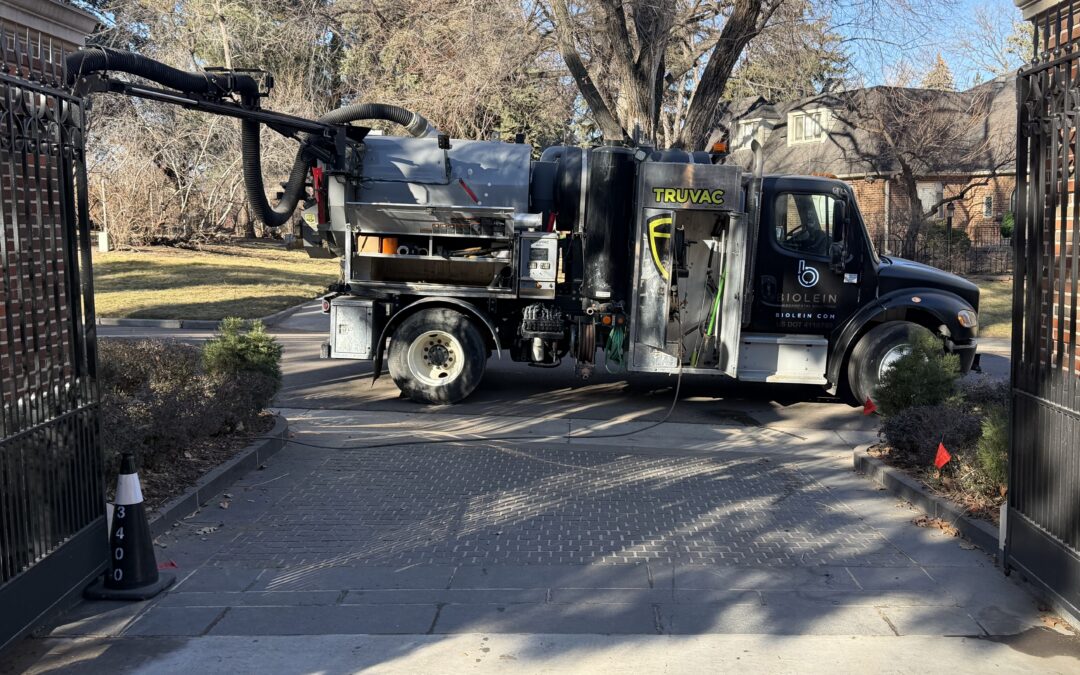
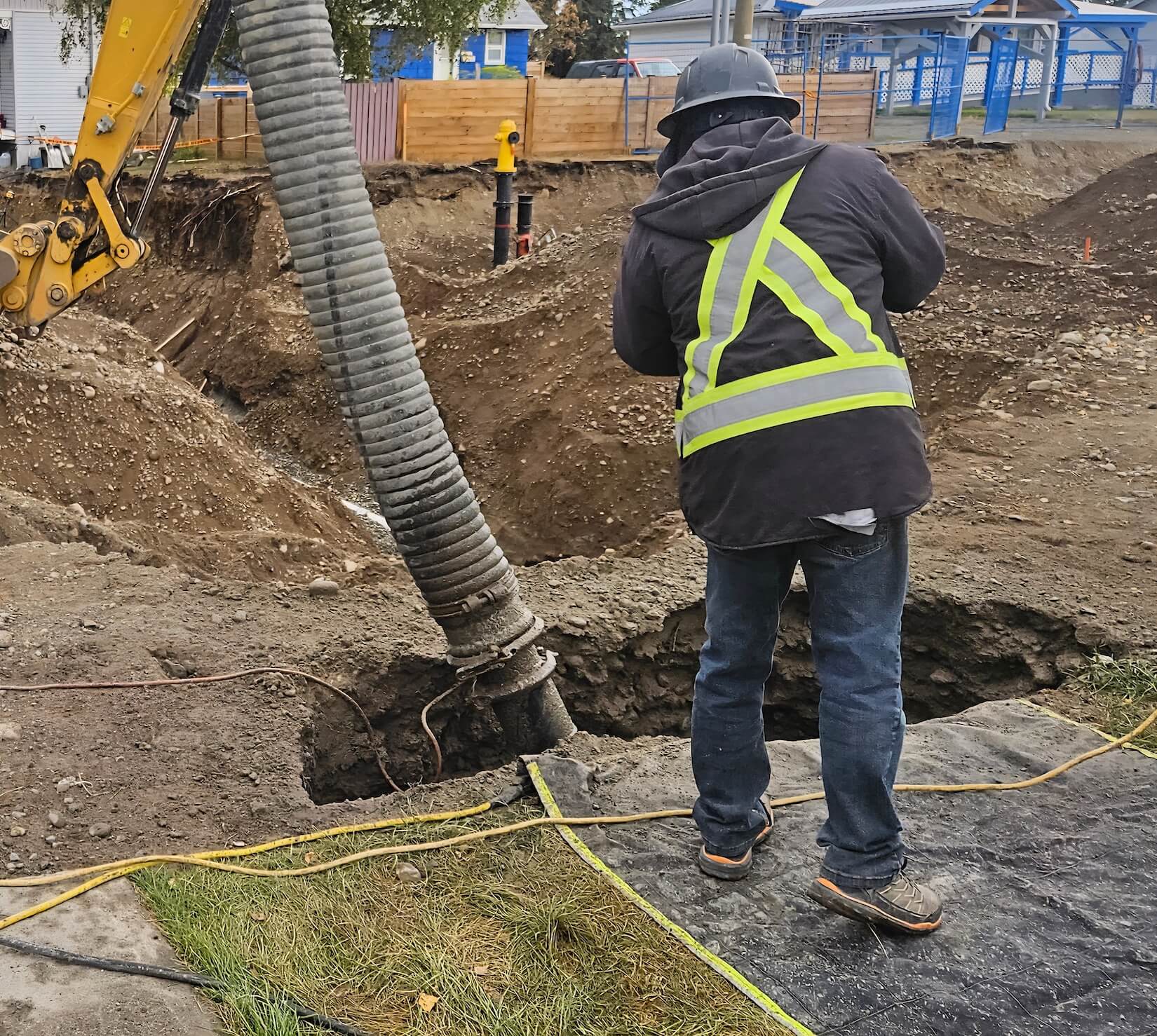
Hydrovac excavation uses high-pressure water and vacuum suction to break up and remove soil. It’s precise, non-destructive, and ideal for working around utilities, in tight spaces, or in sensitive environments.
While mechanical excavation is often seen as the default, hydrovac excavation is increasingly being used as a targeted, high-efficiency solution.
Upfront Costs: Where Mechanical Excavation Looks Cheaper
At first glance, mechanical excavation often wins on upfront cost.
- Equipment rental rates are typically lower
- Crews are familiar with traditional methods
- Setup is straightforward for open areas
Hydrovac excavation involves specialized equipment and trained operators, which can result in higher hourly rates.
But focusing only on upfront costs can be misleading. Excavation projects rarely go exactly as planned, especially in urban environments like Denver, where underground utilities, soil variability, and access constraints are common.
Hidden Costs of Mechanical Excavation
What mechanical excavation saves upfront, it often gives back in hidden and indirect costs.
Utility Strikes
One of the biggest risks with mechanical excavation is hitting underground utilities. Even with locates, inaccuracies happen.
A single utility strike can result in:
- Repair costs ranging from thousands to tens of thousands of dollars
- Project delays
- Fines or liability exposure
- Safety hazards for workers and the public
Hydrovac excavation significantly reduces this risk, making it a safer and often more cost-controlled option.
Restoration and Backfill Costs
Mechanical excavation typically disturbs a larger area than necessary. This leads to:
- More backfill material required
- Additional labor to restore the site
- Repairs to pavement, landscaping, or hardscaping
Hydrovac excavation creates smaller, more precise openings, reducing restoration needs and associated costs.
Labor and Time Inefficiencies
Mechanical excavation may be fast in ideal conditions, but in real-world scenarios, crews often face:
- Slower progress around utilities
- Manual digging required near sensitive areas
- Rework due to over-excavation
Hydrovac excavation allows for controlled, efficient digging, often reducing total labor hours on complex projects.
Denver-Specific Cost Factors
Excavation in Denver comes with unique challenges that directly impact cost.
Dense Utility Infrastructure
Older neighborhoods and developed commercial areas often have tightly packed utilities. Mechanical excavation requires extreme caution, slowing down work and increasing risk.
Hydrovac excavation allows contractors to work confidently in these environments without costly delays.
Soil Conditions
Colorado soils, particularly clay-heavy or compacted soils, can be difficult to dig mechanically. This increases equipment wear, fuel consumption, and labor time.
Hydrovac excavation handles these soils more efficiently, especially when precision is required.
Frozen Ground in Winter
Mechanical excavation often struggles or stops completely in frozen conditions. Contractors may need to:
- Use ground thawing equipment
- Delay projects
- Increase labor costs
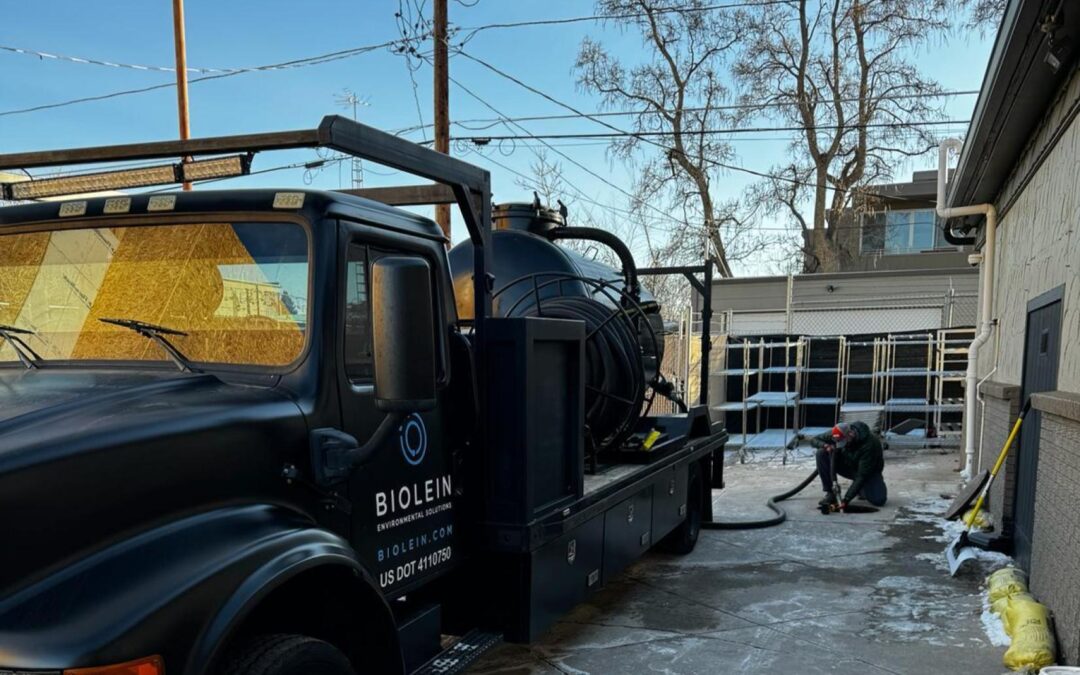
Hydrovac excavation, using heated water, allows work to continue year-round—eliminating costly delays.
Total Cost Comparison: Looking at the Full Picture
When comparing hydrovac and mechanical excavation, the most important metric is total project cost, not hourly rate.
Mechanical Excavation May Include:
- Lower hourly equipment costs
- Higher risk of utility damage
- Increased restoration and cleanup
- Potential delays and rework
- Greater environmental impact
Hydrovac Excavation May Include:
- Higher hourly rate
- Lower risk of costly mistakes
- Reduced restoration requirements
- Faster completion in complex conditions
- Better compliance with environmental regulations
In many cases, hydrovac excavation results in lower overall project costs, particularly for projects involving utilities, tight access, or sensitive environments.
When Mechanical Excavation Still Makes Sense
Mechanical excavation isn’t obsolete. It still has a place in certain projects.
Large-scale, open-area excavation with no nearby utilities can often be completed efficiently with traditional equipment. Bulk earthmoving, grading, and site preparation are typically better suited for mechanical methods.
However, even in these scenarios, hydrovac excavation is often used in combination with mechanical excavation for utility exposure and precision work.
Where Hydrovac Excavation Delivers the Most Value
Hydrovac excavation tends to provide the greatest cost advantage in situations where precision and risk reduction matter most.
These include:
- Utility daylighting and potholing
- Trenching in developed areas
- Work near pipelines, fiber, or electrical lines
- Stormwater system maintenance
- Excavation in confined or hard-to-access spaces
- Winter excavation projects
In these cases, the reduced risk and improved efficiency often outweigh the higher hourly cost.
Risk Reduction as a Cost Strategy
One of the most overlooked aspects of excavation cost is risk.
Mechanical excavation introduces uncertainty (unknown utility locations, soil conditions, and potential damage). Each of these risks carries financial implications.
Hydrovac excavation reduces uncertainty, making project outcomes more predictable. For contractors, this means:
- Fewer unexpected expenses
- More reliable timelines
- Improved client satisfaction
- Lower liability exposure
In many ways, hydrovac excavation is a risk management strategy.
Environmental and Compliance Considerations
For projects tied to stormwater systems, MS4 permits, or environmental regulations, excavation methods can impact compliance.
Hydrovac excavation helps contractors:
- Minimize soil disturbance
- Contain debris and sediment
- Reduce runoff and contamination risk
These benefits can prevent costly compliance issues and support smoother project approvals.
How Biolein Helps Denver Contractors Optimize Costs
At Biolein, we work with contractors across Denver and Colorado to determine the most efficient excavation approach for each project.
Our hydrovac services are designed to:
- Reduce risk around underground utilities
- Improve jobsite efficiency
- Support year-round excavation
- Minimize restoration and cleanup costs
Rather than replacing mechanical excavation, hydrovac is often used strategically to improve overall project performance and cost control.
Look Beyond the Hourly Rate
When comparing hydrovac vs. mechanical excavation, the lowest hourly rate doesn’t always lead to the lowest total cost.
For many Denver projects, especially those involving utilities, tight access, or unpredictable conditions, hydrovac excavation delivers better outcomes by reducing risk, minimizing disruption, and improving efficiency.
The smartest contractors aren’t just looking at how much excavation costs per hour. They’re looking at how much the entire project costs when it’s done.Contact Biolein to discuss how hydrovac excavation can help you reduce risk, control costs, and keep your projects moving forward in Denver and beyond.

Biolein has become a trusted partner for hydrovac excavation, environmental waste management, environmental consultation for hazardous waste, and drainage solutions across Colorado and beyond. We’re not just an environmental services company in Denver — we’re the team you can count on to tackle the tough jobs and keep things running smoothly.