
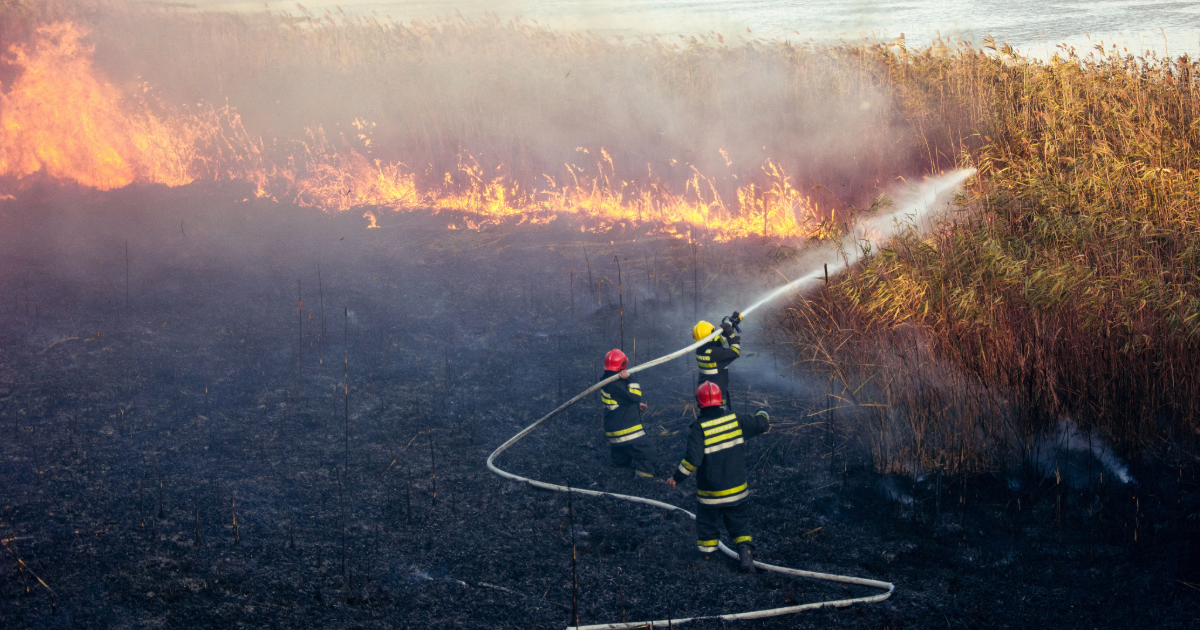
Emergencies rarely happen on a schedule. A ruptured storage tank, an overturned vehicle carrying fluids, a stormwater system overwhelmed by runoff, or an unexpected industrial release can quickly create situations that require immediate action. When they do, every minute counts.
An effective emergency environmental response isn’t just about cleaning up a spill. It’s about containing the situation, protecting people and the environment, minimizing disruption, and helping restore the site safely and efficiently.
Understanding what happens during an emergency environmental response can help property owners, contractors, municipalities, and facility managers know what to expect when the unexpected occurs.
What Is an Emergency Environmental Response?
Emergency environmental response refers to the immediate actions taken to contain, remove, and properly manage materials that have been unintentionally released into the environment or that pose an immediate environmental risk.
Depending on the situation, an emergency response may involve:
- Containing released materials
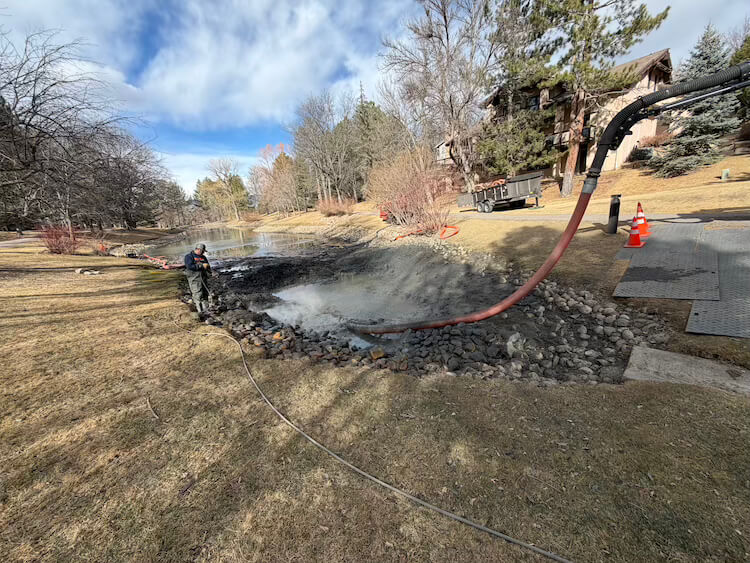
- Recovering liquids or debris with vacuum trucks
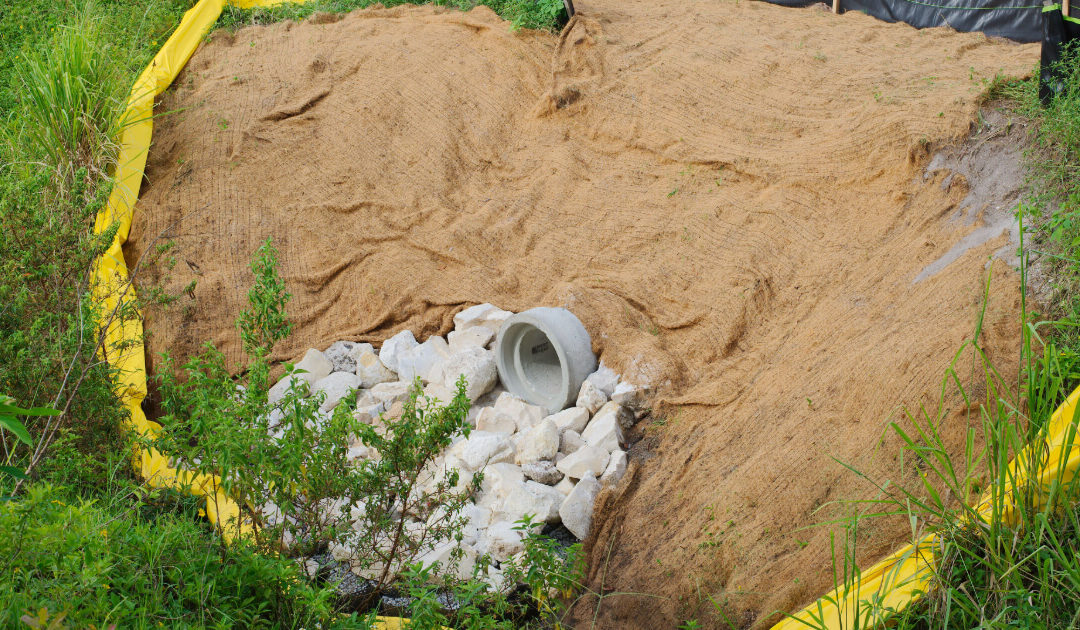
- Protecting nearby storm drains or waterways
- Removing contaminated soil or sediment
- Restoring drainage systems
- Coordinating proper transportation and disposal of recovered materials
Every incident is different, but the overall goal remains the same: stabilize the situation quickly while protecting people, property, and the surrounding environment.
What Types of Incidents Require an Emergency Response?
Environmental emergencies can happen across a wide range of industries and properties.
Common situations include:
- Industrial equipment failures
- Storage tank leaks
- Vehicle-related fluid releases
- Overflowing containment systems
- Stormwater infrastructure failures
- Flooding that mobilizes sediment or debris
- Unexpected releases during construction or excavation
- Material releases at commercial or municipal facilities
Not every incident involves hazardous materials, but every situation should be evaluated carefully to determine the safest response.
Step 1: Initial Assessment and Site Safety
The first priority is always safety.
Before cleanup begins, responders evaluate the site to understand:
- What material has been released
- Approximately how much material is involved
- Whether the release is ongoing
- Potential risks to workers or the public
- Nearby storm drains, waterways, or sensitive areas
- Access limitations
Establishing a safe work area helps prevent the situation from becoming more serious while allowing crews to develop an effective response plan.
Step 2: Containing the Release
Once the situation has been assessed, the next objective is to prevent the material from spreading.
Depending on site conditions, responders may:
- Isolate the affected area
- Protect nearby storm drains
- Build temporary containment around the release
- Divert flowing water away from impacted areas
- Stop the source of the release if it can be done safely
Early containment often determines how large or small the cleanup effort ultimately becomes.
Step 3: Recovering Liquids and Debris
After the area has been stabilized, recovery operations begin.
Industrial vacuum trucks play a critical role during this phase by removing:
- Liquids
- Sludge
- Standing water
- Sediment
- Debris
- Other recoverable materials
Unlike manual cleanup methods, vacuum trucks can quickly recover large volumes of material while keeping everything contained within sealed tanks. This reduces the likelihood of additional environmental impacts and allows the recovered material to be transported safely for evaluation and disposal.
Step 4: Evaluating Environmental Impact
Once the visible material has been removed, responders assess whether any additional cleanup is necessary.
Depending on the incident, this may involve:
- Inspecting surrounding soils
- Evaluating drainage systems
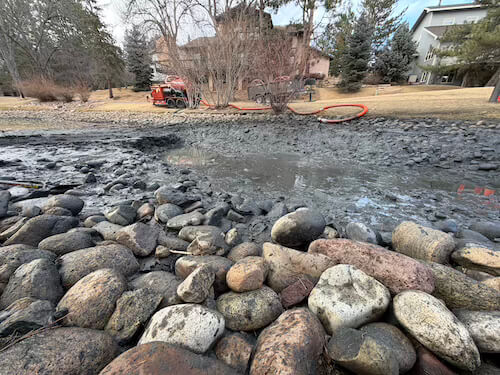
- Checking nearby retention ponds or catch basins
- Identifying remaining sediment or debris
- Determining whether additional excavation or cleaning is required
The objective is not simply to remove what is visible but to ensure the affected area has been properly addressed.
Step 5: Site Restoration
Cleanup doesn’t end when the vacuum truck leaves. Many emergency responses require restoring the affected area so it can safely return to normal operations.
Restoration may include:
- Removing remaining debris
- Cleaning drainage structures
- Restoring disturbed surfaces
- Re-establishing proper stormwater flow
- Verifying that containment measures have been removed appropriately
Returning the site to a safe, functional condition is an important part of the overall response.
The Importance of Fast Response
Time is one of the most important factors during any environmental emergency. A small release that is contained quickly may require relatively straightforward cleanup.
The same release left unattended can spread into:
- Storm drains
- Retention ponds
- Nearby waterways
- Landscaped areas
- Construction sites
- Public roadways
Responding early often reduces cleanup costs, minimizes operational downtime, and limits environmental impacts.
Why Vacuum Trucks Are Essential During Environmental Emergencies
Modern vacuum trucks are among the most valuable pieces of equipment during emergency response operations. Their versatility allows crews to recover a wide range of materials efficiently while minimizing disruption to the surrounding area.
Vacuum trucks can assist with:
- Liquid recovery
- Sludge removal
- Storm drain cleaning
- Catch basin cleanouts
- Floodwater removal
- Sediment recovery
- Debris removal
Because recovered materials remain contained throughout the process, vacuum trucks also support responsible transportation and disposal practices.
Emergency Response Doesn’t End With Cleanup
Once immediate hazards have been addressed, many organizations evaluate why the incident occurred and how similar situations can be prevented.
Preventative measures may include:
- Routine infrastructure inspections
- Stormwater system maintenance
- Retention pond cleanouts
- Tank and containment inspections
- Scheduled vacuum truck services
- Emergency response planning
Being proactive helps reduce the likelihood of future emergencies while extending the life of critical infrastructure.
Preparing Before an Emergency Happens
One of the best ways to improve emergency outcomes is to have a response plan in place before one is needed.
Property owners and facility managers should know:
- Who to contact for emergency environmental services
- Where drainage systems discharge
- Locations of critical infrastructure
- Site access points for emergency equipment
- Any environmental or operational considerations unique to the property
Preparation allows responders to begin work more quickly and efficiently when time matters most.
How Biolein Responds When Time Matters
At Biolein, we understand that environmental emergencies require more than fast equipment. They require experienced professionals who can assess changing conditions, respond safely, and adapt as situations evolve.
Our emergency environmental response services include:
- Industrial vacuum truck services
- Liquid and sediment recovery
- Storm drain and catch basin cleaning
- Hydrovac excavation
- Containment support
- Retention pond and drainage system cleanup
- Environmental site restoration
No one plans for an environmental emergency, but having the right response can make all the difference. From the initial assessment and containment efforts to vacuum truck recovery and site restoration, every step plays an important role in protecting people, infrastructure, and the environment.
Whether responding to a sudden material release, restoring a stormwater system after severe weather, or cleaning up after an unexpected equipment failure, a coordinated emergency environmental response helps minimize damage and get operations back on track as quickly as possible.
If your property, facility, or project needs rapid environmental response services, contact Biolein anytime. Our experienced team is ready to respond with the equipment, expertise, and commitment needed to help you move from spill to clean safely and efficiently.
Frequently Asked Questions
What is an emergency environmental response?
An emergency environmental response is the immediate containment, recovery, and cleanup of materials or conditions that pose an environmental risk. The goal is to stabilize the situation, protect nearby resources, and restore the affected area safely.
When should I call for emergency environmental services?
You should contact an emergency response provider as soon as you become aware of a release, flooding event, drainage failure, or other environmental issue that could affect people, property, or nearby waterways.
What equipment is used during an environmental emergency?
Depending on the situation, responders may use vacuum trucks, hydrovac equipment, containment materials, pumps, and specialized cleanup tools to recover liquids, sediment, debris, and other materials.
Can vacuum trucks remove both liquids and sludge?
Yes. Industrial vacuum trucks are designed to recover liquids, sludge, sediment, and many other materials commonly encountered during emergency response operations.
Do emergency environmental response services include stormwater system cleanup?
Yes. Many responses involve clearing storm drains, catch basins, culverts, or other drainage infrastructure to restore proper flow and reduce the risk of flooding or environmental impacts.
Can Biolein respond after normal business hours?
Yes. Biolein provides 24/7 emergency environmental response services to help clients address urgent situations whenever they occur.

Biolein has become a trusted partner for hydrovac excavation, environmental waste management, environmental consultation for hazardous waste, and drainage solutions across Colorado and beyond. We’re not just an environmental services company in Denver — we’re the team you can count on to tackle the tough jobs and keep things running smoothly.