
Stormwater management isn’t just a best practice in Colorado. It’s a regulated responsibility. Whether you’re a property owner, contractor, developer, or facility manager, understanding Colorado Department of Public Health and Environment (CDPHE) stormwater permit requirements is essential to staying compliant, avoiding fines, and protecting local waterways.
From construction sites to industrial facilities and municipal systems, stormwater permits play a critical role in how runoff is managed across the state. If you’re unsure what’s required, or how to stay ahead of maintenance and environmental compliance, this guide breaks down what you need to know.
What Is a CDPHE Stormwater Permit?
A CDPHE stormwater permit is part of Colorado’s implementation of the federal National Pollutant Discharge Elimination System (NPDES) program. These permits regulate how stormwater runoff is managed to prevent pollutants from entering rivers, streams, and groundwater.
Stormwater runoff can carry a wide range of contaminants, including:
- Sediment and debris
- Oils and fuels
- Heavy metals
- Chemicals and industrial waste
Without proper controls, these pollutants can flow directly into Colorado’s waterways—impacting ecosystems, drinking water, and public health.
Who Needs a Stormwater Permit in Colorado?
Not every property requires a permit, but many do, especially if land disturbance or industrial activity is involved.
Construction Sites
If your project disturbs one acre or more of land, or is part of a larger development plan, you’ll likely need a Construction Stormwater Permit (COR400000).
This applies to:
- Commercial developments
- Residential subdivisions
- Infrastructure projects
- Utility installations
Industrial Facilities
Certain industries must obtain an Industrial Stormwater Permit (COR900000) if their operations expose materials to precipitation.
Common industries include:
- Manufacturing and processing plants
- Transportation and logistics yards
- Recycling and waste management facilities
- Oil and gas operations
Municipalities (MS4 Permits)
Municipal Separate Storm Sewer Systems (MS4s) require permits to manage stormwater infrastructure like storm drains, culverts, and outfalls.
While municipalities hold these permits, contractors and property managers working within MS4 systems must still follow compliance requirements.
Key Requirements of CDPHE Stormwater Permits
While specific requirements vary by permit type, most CDPHE stormwater permits include the following core elements:
1. Stormwater Management Plan (SWMP)
A SWMP outlines how your site will prevent pollution from entering stormwater. It includes:
- Site maps and drainage patterns
- Identified pollutant sources
- Best Management Practices (BMPs)
- Inspection and maintenance schedules
This document is required before work begins and must be updated throughout the project.
2. Best Management Practices (BMPs)
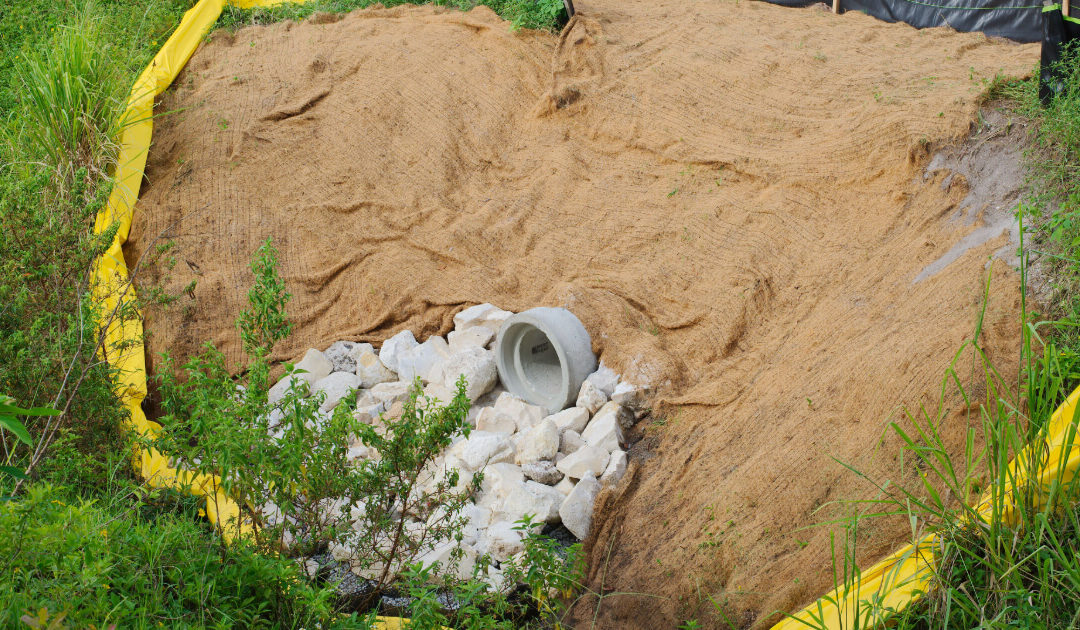
BMPs are physical and procedural controls used to reduce pollution. These may include:
- Sediment control measures
- Erosion prevention systems
- Storm drain protection
- Spill containment protocols
However, BMPs are only effective if they are properly maintained, which is where many compliance issues arise.
3. Routine Inspections
CDPHE requires regular inspections of stormwater controls and discharge points. These inspections help identify:
- Sediment buildup
- Damaged or failing infrastructure
- Evidence of pollutant discharge
- Areas requiring maintenance
Failing to perform or document inspections can result in violations.
4. Maintenance and Corrective Actions
If a stormwater system isn’t functioning properly, corrective action must be taken quickly. This includes:
- Cleaning storm drains and catch basins
- Removing sediment from detention systems
- Repairing damaged BMPs
- Addressing spills or illicit discharges
Maintenance is not optional. It’s a required part of compliance.
5. Documentation and Reporting
Permit holders must maintain detailed records of:
- Inspections
- Maintenance activities
- Spill incidents
- Corrective actions
This documentation is critical during audits or regulatory reviews.
Where Many Property Owners and Contractors Run Into Trouble
While most understand the need for permits and plans, maintenance and execution are where compliance often breaks down.
Common issues include:
- Catch basins and storm drains filling with sediment
- Outfalls becoming blocked or restricted
- Detention systems losing capacity over time
- Failure to respond quickly to stormwater issues
- Lack of documentation for maintenance activities
In many cases, the system was designed correctly but not maintained properly.
The Role of Stormwater Maintenance in Compliance
Stormwater permits require both planning and ongoing system performance. That means drainage systems must remain functional at all times.
This is especially important during:
- Heavy rain events
- Spring snowmelt runoff
- High-flow storm conditions
If your system cannot handle water flow due to blockages or buildup, it can lead to:
- Flooding and property damage
- Pollutant discharge violations
- Fines or enforcement actions
Routine cleaning and maintenance are essential to keeping systems compliant.
How Vacuum Truck Services Support CDPHE Compliance
Vacuum trucks play a critical role in maintaining stormwater systems and supporting permit requirements.
They are commonly used for:
- Storm drain and catch basin cleaning
- Sediment removal from detention ponds and basins
- Outfall cleaning and maintenance
- Spill containment and cleanup
- Sewer-shed and drainage system maintenance
Unlike flushing or manual cleaning, vacuum trucks fully remove sediment and debris, preventing it from moving further into the system or into waterways.
This supports both system performance and environmental compliance.
Colorado-Specific Considerations
Colorado’s climate adds another layer of complexity to stormwater management.
- Spring runoff increases flow and exposes weak points in drainage systems
- Winter sand and deicing materials accumulate in catch basins
- Freeze-thaw cycles damage infrastructure and create blockages
- Urban development increases runoff volume and pollutant load
Because of these factors, stormwater systems in Colorado require more frequent inspection and maintenance than in many other regions.
Staying Ahead of Compliance Issues
The most effective way to stay compliant with CDPHE stormwater permit requirements is to take a proactive approach.
This includes:
- Scheduling routine storm drain cleanouts
- Inspecting systems before major weather events
- Addressing small issues before they become violations
- Working with experienced environmental service providers
- Keeping detailed records of all maintenance activities
By treating stormwater management as an ongoing operational priority, not just a regulatory requirement, you reduce risk and improve long-term system performance.
How Biolein Helps Property Owners and Contractors Stay Compliant
At Biolein, stormwater compliance is a core part of how we approach environmental services. Our team understands the real-world challenges of maintaining drainage systems under CDPHE regulations.
We support clients with:
- Storm drain and catch basin cleaning
- Outfall and drainage system maintenance
- Sediment removal from detention and retention systems
- Emergency response for stormwater issues
- Ongoing maintenance programs to support compliance
Our goal is to help you not only meet permit requirements, but stay ahead of them.
Compliance Starts with Maintenance
CDPHE stormwater permits are designed to protect Colorado’s waterways, but compliance ultimately comes down to how well systems are maintained in the field.
Plans and paperwork are important, but they must be backed by real, consistent maintenance to ensure stormwater systems function properly when it matters most.
If you’re managing a property, construction site, or industrial facility in Colorado, now is the time to evaluate your stormwater systems and make sure they’re ready.Contact Biolein to learn how our stormwater maintenance and vacuum truck services can help you stay compliant, reduce risk, and keep your systems flowing.

Biolein has become a trusted partner for hydrovac excavation, environmental waste management, environmental consultation for hazardous waste, and drainage solutions across Colorado and beyond. We’re not just an environmental services company in Denver — we’re the team you can count on to tackle the tough jobs and keep things running smoothly.